


- Russia’s defense industry is facing a deep crisis driven by labor shortages, sanctions, rising component costs, and delayed state payments.
- Major producers, including tank plants, aviation firms, and drone manufacturer Kronstadt, report mounting debts, legal disputes, and difficulties fulfilling state contracts.
Russia’s defense industry is facing its deepest crisis since the collapse of the Soviet Union, according to internal assessments and correspondence circulating among defense‑sector managers. Despite large military orders driven by the ongoing war in Ukraine, Russian defense plants are now under heavy strain, lacking the workforce, financial stability, and supply chains required to sustain production of weapons and military equipment.
Factories that once supplied both domestic and export markets are operating in what Russian directors describe as a “manual control” setting, forced to meet growing orders at prices that no longer cover production costs. As Russia enters the fourth year of its full‑scale invasion of Ukraine, the scale of military losses and the mobilization of manpower have sharply reduced the available industrial labor pool. Many skilled workers have been drafted, killed, or injured, leaving enterprises unable to staff production lines.
The impact of Western sanctions continues to erode Russia’s industrial capacity. Key technologies and components have become either unobtainable or dramatically more expensive. In many cases, the cost of imported parts has increased “in tens of times or even a hundred,” creating unsustainable losses across the sector. Critical raw materials, oils, coatings, electronics, and technical fluids are in short supply, while Russia’s attempts at import substitution have repeatedly failed to meet operational requirements.
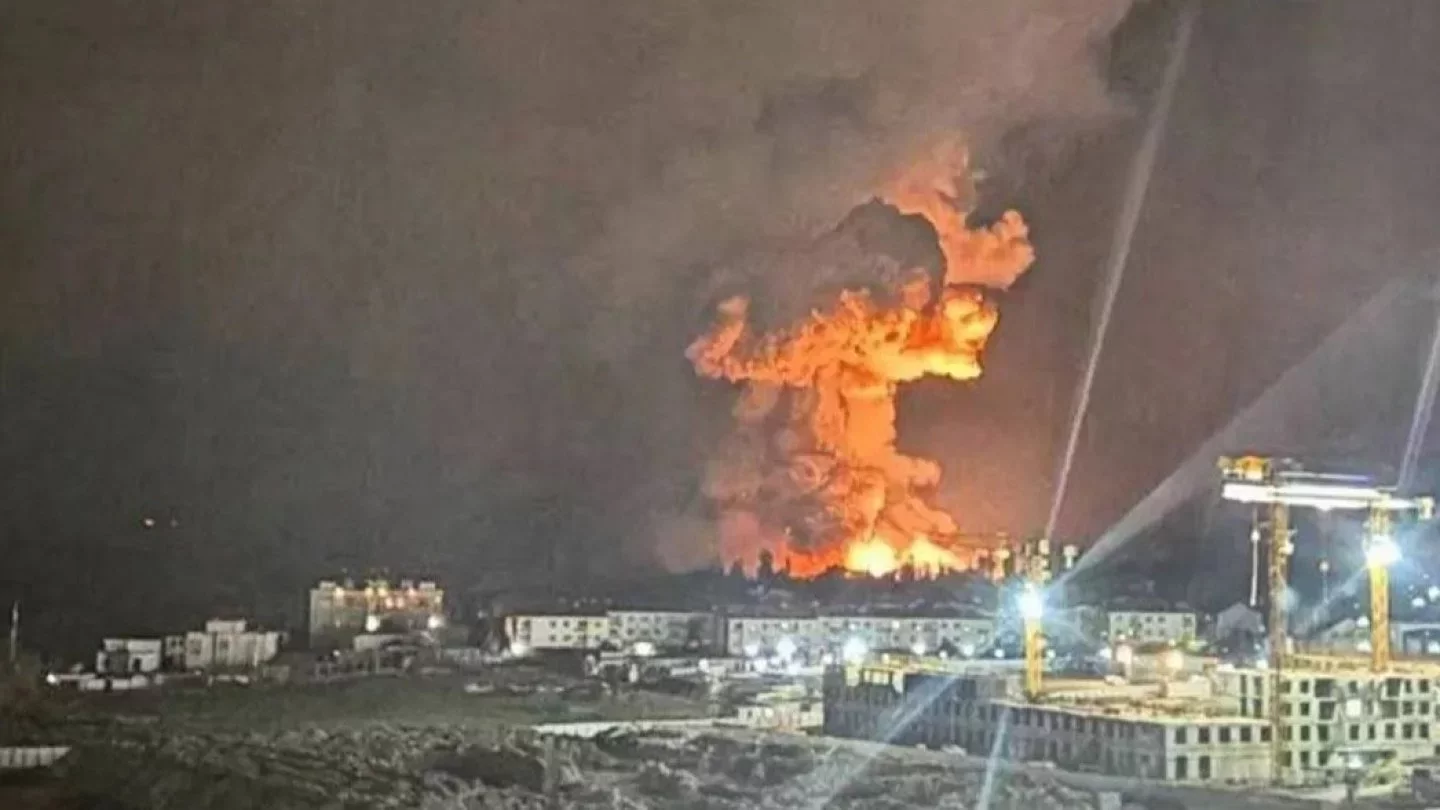
Ukraine’s continued pressure on Russia’s industrial base is also shaping the crisis. Drone and missile strikes have hit numerous plants, logistical hubs, and fuel facilities. Sabotage efforts have disrupted railway links and damaged production infrastructure, while the country’s intelligence networks target vulnerabilities inside defense factories. Ukrainian efforts have also complicated the supply of petroleum products and industrial fluids essential to weapons production.
Export revenues, once the primary method for Russian defense contractors to compensate for selling equipment domestically at below‑cost prices, have sharply declined. Russia has lost access to many foreign markets, and buyers have canceled or frozen contracts due to sanctions, payment issues, and the inability of Russian firms to provide critical subsystems once sourced from abroad. Without export income, plants no longer receive the profits needed to offset domestic losses.
Several major enterprises have now publicly acknowledged financial distress. The largest tank manufacturer in Russia stated in recent days that it needs to reduce personnel due to a lack of funds. The United Aircraft Corporation, a key producer of combat aircraft, faced a shortage of funds to pay contractors and is now entangled in hundreds of cases in court for compensation of debt.

One of Russia’s high‑profile drone manufacturers, the company Kronstadt, which specializes in the Orion reconnaissance‑strike UAV, “has faced dozens of debt claims in recent months, with more than 600 million rubles ($7 million) sought since the beginning of summer.” The largest lawsuits include “151.1 million rubles” from LLC Innovative Technologies and “220.6 million rubles” from AO Research Institute of Modern Telecommunications Technologies.
This pattern now extends to almost all companies performing contracts for the armed forces of the Russian Federation. The Russian government itself is delaying payments “due to lack of funds,” leaving factories unable to cover wages, settle with suppliers, or purchase components. One example shows that “the shipment of tanks in January has still not been paid for,” even while the contractor remains legally obligated to deliver new vehicles throughout the year.
Additional internal correspondence from Russia’s defense sector, obtained by Ukrainian activists of the “Cyber Resistance,” highlights the severity of these problems. One intercepted letter from the general director of the Murom Instrument‑Making Plant explains that factories “must deliver products at fixed prices set in 2019,” while simultaneously being forced to “buy components at market prices and with prepayment.” Another director wrote that “the money from the state is not enough even to cover the interest on the loan that must be taken to pay suppliers.”
In one example, the Murom plant “received losses of 70 million rubles” on its navigation system “Product 1T146,” making it impossible to meet rising orders. Contract payments remain frozen “for 3–5 years,” trapping company funds and preventing reinvestment.
Russian firms with export obligations are also facing new barriers. Sanctions prevent or delay payments, while international scrutiny pressures potential buyers to walk away from deals. As noted in your materials, Egypt previously abandoned its Su‑35 purchase, and India declined additional shipbuilding contracts because Russia could not replace Ukrainian‑built gas‑turbine units.
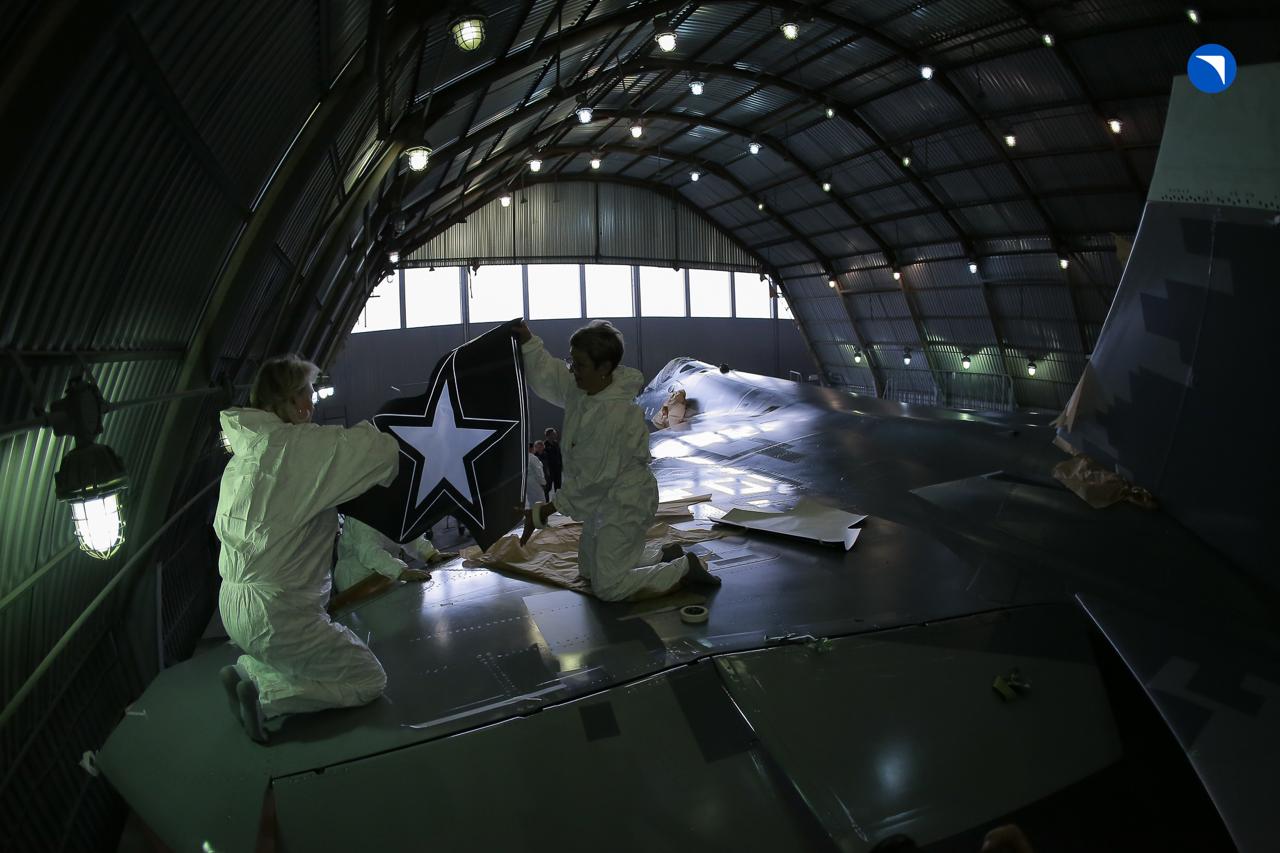
The combined effect—sanctions, unpaid contracts, workforce depletion, sabotage, and the loss of export markets—has pushed Russia’s defense‑industrial base into its most difficult period in decades.
Russia’s defense‑industrial complex is composed of hundreds of state‑owned and private enterprises forming one of the largest military‑production networks in the world. Major holdings such as Rostec, Uralvagonzavod, the United Aircraft Corporation, and Kronstadt serve as pillars of Russia’s ability to produce tanks, aircraft, missiles, and UAVs.
Uralvagonzavod, responsible for Russia’s tank production—including the T‑72, T‑90, and T‑14 families—has struggled with workforce shortages and reduced access to imported thermal imagers, electronics, and transmission components.
The United Aircraft Corporation, overseeing combat and transport aircraft, depends heavily on foreign suppliers for avionics and engine components that have now become scarce.
Kronstadt, Russia’s primary UAV developer for systems like Orion and Sirius, relies on microelectronics and optical components that were previously imported through international distributors, now constrained or blocked.
The Russian government historically managed these enterprises through a system of subsidized domestic pricing and high‑margin foreign exports. For years, export contracts served as the financial backbone of Russia’s defense economy, compensating for below‑cost domestic deliveries to the armed forces. Sanctions targeting banking channels, international insurance, and component sourcing have disrupted this model, leaving the industry exposed.
The overall defense sector remains tied to state funding cycles, multi‑year contracts, and centralized decision‑making—an approach creating long delays in payment and limited flexibility in reacting to market changes. The war in Ukraine has amplified these structural weaknesses.
A weakened Russian industrial base affects the duration and shape of the conflict in Ukraine, influences Moscow’s military behavior, and alters global arms‑export dynamics. The decline of Russia’s production capacity may limit its ability to sustain large‑scale operations, but it may also push the Kremlin toward riskier strategic decisions or deeper cooperation with Iran, North Korea, and China.
For the United States, the situation informs assessments of European security, the demands placed on U.S. defense production, and long‑term planning for deterrence. Russia’s industrial crisis also affects global stability by reshaping arms markets and accelerating the fragmentation of technological supply chains.