


- Ukrainian defense firms report a growing loss of engineers and technologists due to emigration, mobilization, and wartime security threats.
- Companies have begun relocating design and R&D operations to Europe to maintain production despite ongoing Russian attacks.
Ukraine’s defense sector is facing an escalating brain drain crisis as skilled engineers and technologists leave the country amid the ongoing war with Russia. Despite a surge in military contracts and state-backed production expansion, companies say they are struggling to replace experienced specialists lost to emigration, mobilization, and security threats.
Several Ukrainian defense manufacturers told Defence Blog that they now face a “critical shortage” of young professionals able to design, produce, and implement advanced technological solutions. Many of these specialists—particularly those in drone manufacturing, electronic warfare (EW) systems, and armored vehicle production—left Ukraine in early 2022 for what they saw as safer and more stable working environments in Europe and the United States.
“The loss of young technical minds has become our most difficult problem,” one Kyiv-based defense executive said. “We can increase orders, we can expand facilities, but we can’t replace experience that leaves the country.”
The full-scale invasion has only accelerated the exodus. Ukrainian companies report that recruitment pipelines have collapsed as engineers either enlist voluntarily or are drafted into military service to fill frontline rotations. Some of those called up had previously been vital to weapons design, robotics, and testing programs.
To mitigate losses, the government has introduced special programs allowing defense enterprises to reserve critical personnel—effectively protecting them from mobilization. But company officials say the measures have not stabilized the situation, as Russian attacks continue to target industrial infrastructure and the workers themselves.
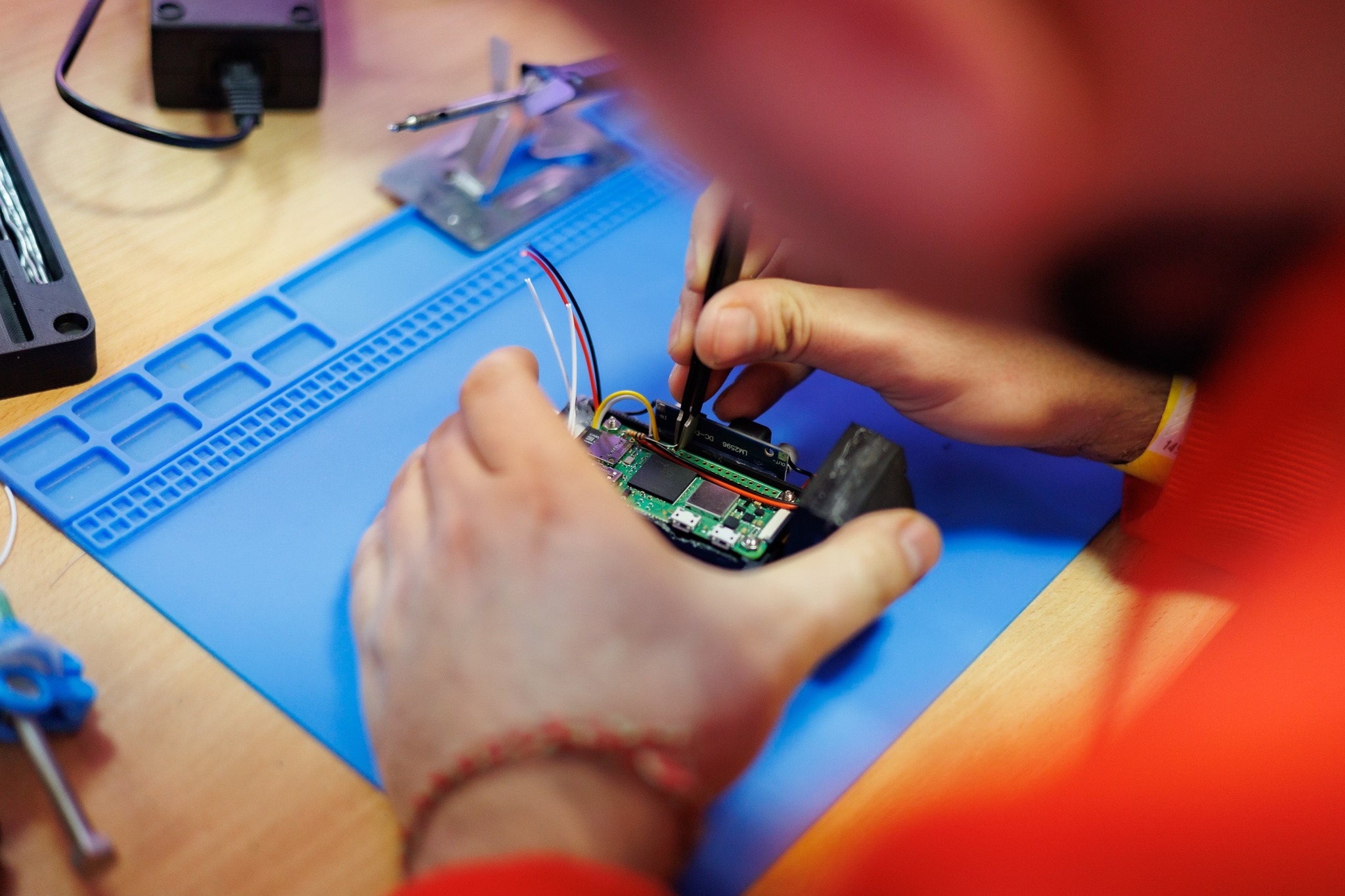
(Brave1 pic)
In 2023, members of a leading missile engineer’s family were killed in what officials described as a targeted attack, one of several known cases of intimidation and violence against Ukrainian defense specialists. Sources in the security services have also reported repeated efforts by Russian agents to pressure or threaten employees working on key weapons programs.
“In these conditions, it is extremely difficult to retain professionals,” a senior manager from a private drone manufacturer told Defence Blog. “We are forced to think not only about production but about the safety of every engineer.”
In response to the worsening environment, Ukrainian defense companies have increasingly moved to relocate parts of their engineering and design operations abroad. Over the past two years, nearly all of Ukraine’s largest defense producers have established satellite offices or R&D centers in Poland, the Czech Republic, Germany, and the United Kingdom, transferring staff to safer and more predictable conditions.

(Defence Procurement International pic)
Executives say these relocations are essential for continuity. They allow research and production to continue without constant disruption from missile strikes or power shortages. However, the trend has had an unintended side effect: once relocated, many Ukrainian specialists decide to remain abroad permanently, drawn by higher wages, better equipment, and stable living conditions for their families.
The migration has fueled a competition among Western firms to recruit Ukrainian engineers with real combat experience and rapid problem-solving skills developed under wartime pressure. European and American defense companies have been actively seeking out these professionals, offering long-term contracts and research positions.
As a result, Ukraine’s pool of senior engineers is shrinking. The latest surveys show that while the number of companies planning or considering relocation fell from 85 percent in February 2025 to 51 percent by October, the outflow of qualified workers has not slowed. Instead, the defense sector continues to lose talent to foreign employers even as domestic production ramps up.
Some defense economists warn that this imbalance could create a bottleneck in Ukraine’s military innovation. Without sustained investment in workforce retention and industrial security, the country risks losing not only people but also intellectual property and know-how developed during the war.
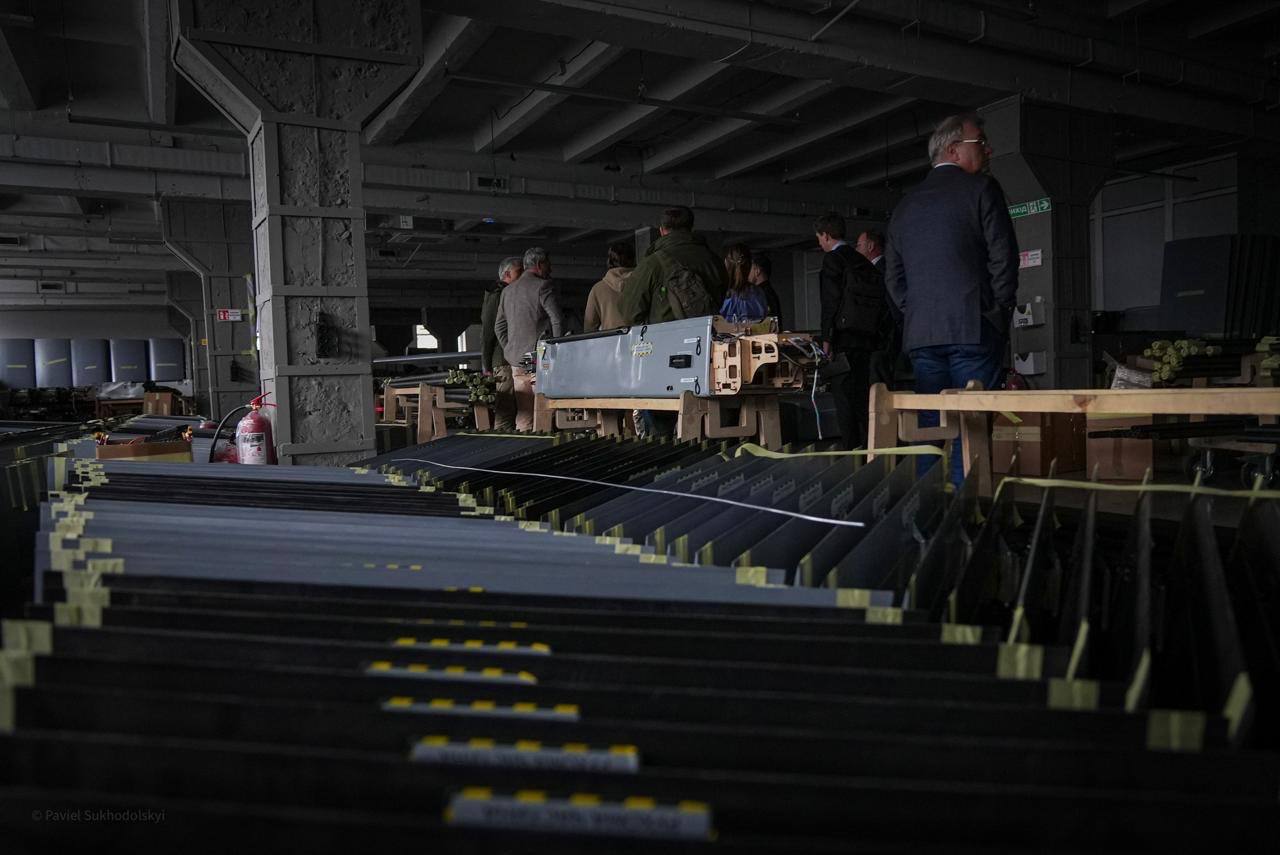
(Ukrainian Gov. pic)
Ukraine’s defense industry, once highly centralized under state control, has undergone rapid transformation since 2022. The full-scale war forced both public and private manufacturers to expand production of drones, armored vehicles, and long-range munitions at unprecedented speed.
In 2023–2024, the government launched programs to support private defense firms, including new procurement systems and expedited approval for weapons testing. These reforms aimed to encourage innovation and attract younger specialists into the field. But the simultaneous rise in emigration and the constant threat of Russian strikes undermined these efforts.
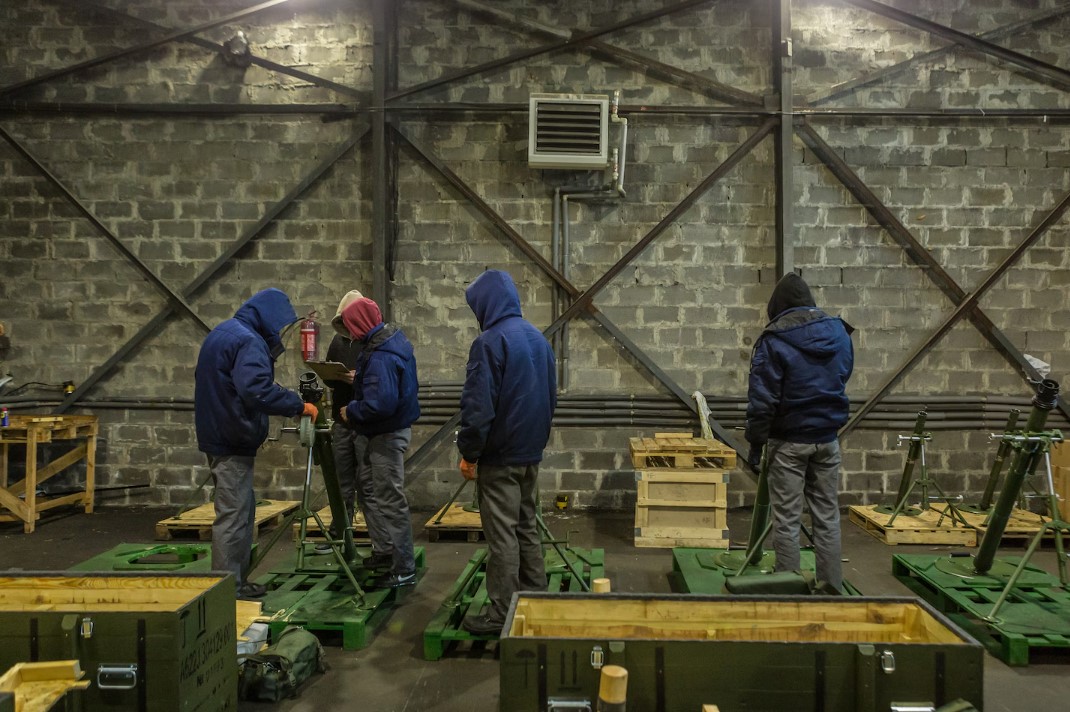
(Ukrainian armor pic)
Ukrainian defense leaders have repeatedly called the current wave of migration “a strategic risk.” While relocation to Europe allows production to continue, it also deepens dependence on foreign infrastructure and shifts technological capacity outside Ukraine’s borders.
For Western allies, the trend offers both opportunity and concern. On one hand, U.S. and European defense industries benefit from an influx of Ukrainian expertise. On the other, the shift could weaken Ukraine’s ability to sustain long-term self-defense and defense exports after the war.
If left unchecked, the outflow could transform Ukraine from a developing defense powerhouse into a source of contracted labor for Western arms companies. This shift might strengthen NATO industries in the short term but undermine one of the alliance’s key regional partners over the long term.
As one Ukrainian engineer now working in Prague told Defence Blog, “We still work for Ukraine — only now we do it from outside. But every day abroad, the idea of coming back feels further away.”
The struggle to retain Ukraine’s scientific and industrial talent is now one of the country’s most urgent challenges — a battle fought not with missiles or drones, but with opportunity, safety, and time.