


Russia is forming mobile counter-drone units to defend its energy infrastructure amid an escalating wave of Ukrainian drone attacks that have crippled the country’s refining capacity and caused its worst gasoline shortage in three decades.
The move comes as strikes on oil refineries continue to degrade Russian fuel production, with some estimates suggesting that 20–25% of total refining capacity is now offline.
The new units, modeled in part on Ukrainian tactics, are designed to detect and shoot down slow, long-range unmanned aerial vehicles before they reach critical infrastructure. Footage from the training of the first 20 teams shows them equipped with light pickup trucks — including modified GAZelle and UAZ “Farmer” vehicles — armed with twin-mounted heavy machine guns.
While Russian officials have portrayed the new formations as an urgent response to mounting drone threats, military analysts caution that their impact will be limited.
Ukraine’s long-range drone campaign, now in its fourth year, has targeted refineries deep inside Russian territory, hitting facilities responsible for a large share of domestic gasoline production. The resulting damage has led to fuel shortages not seen since the 1990s, disrupting supply and pressuring Moscow to safeguard remaining infrastructure.
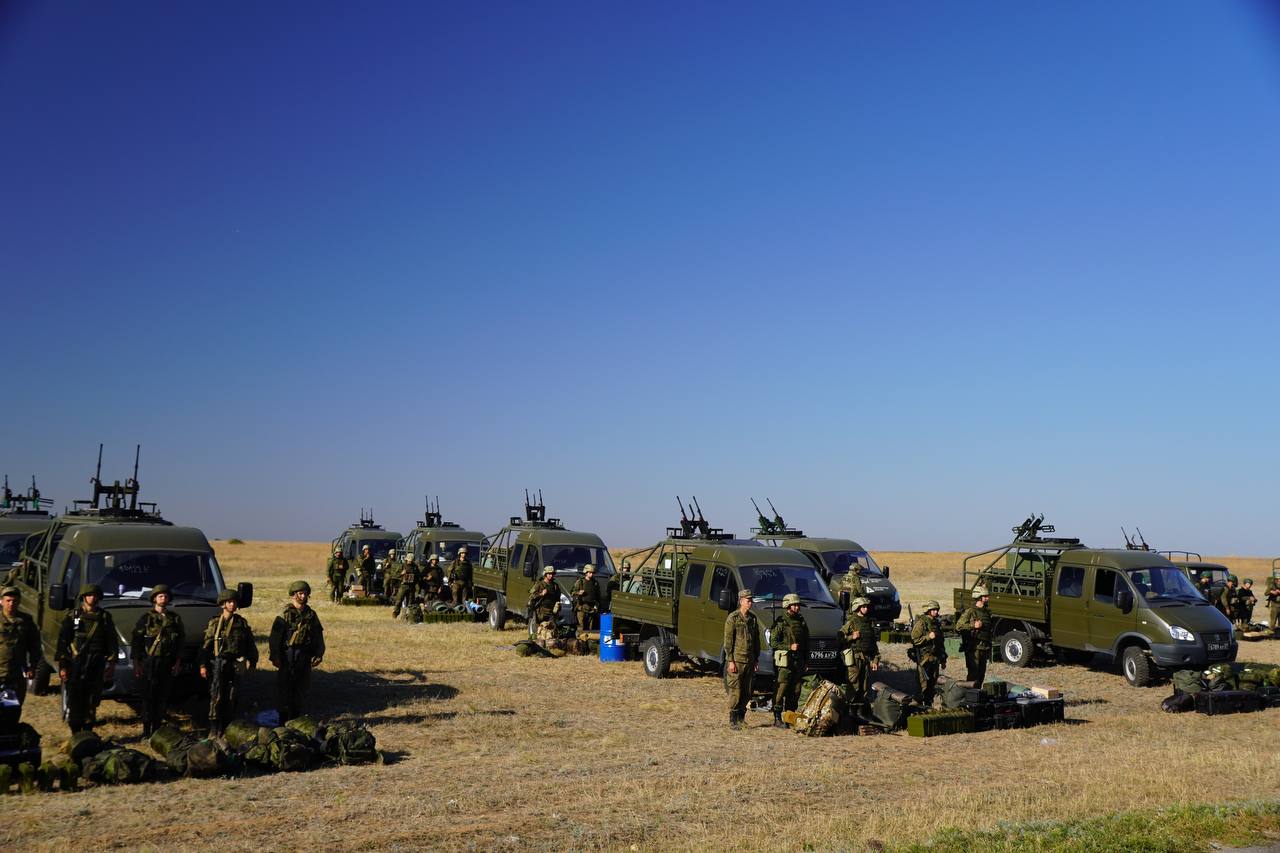
The decision to deploy mobile counter-UAV units reflects the growing challenge Russia faces in defending against drones that can travel hundreds of kilometers and strike with high precision. However, the approach is widely seen as a stopgap measure rather than a comprehensive solution.
Despite their rapid deployment, experts say such mobile units — often referred to as “last-resort detachments” — are unlikely to prevent most drone strikes. The pickup-mounted guns are capable of engaging targets at low altitudes, but they have little chance of intercepting drones flying higher than the effective range of small arms fire.
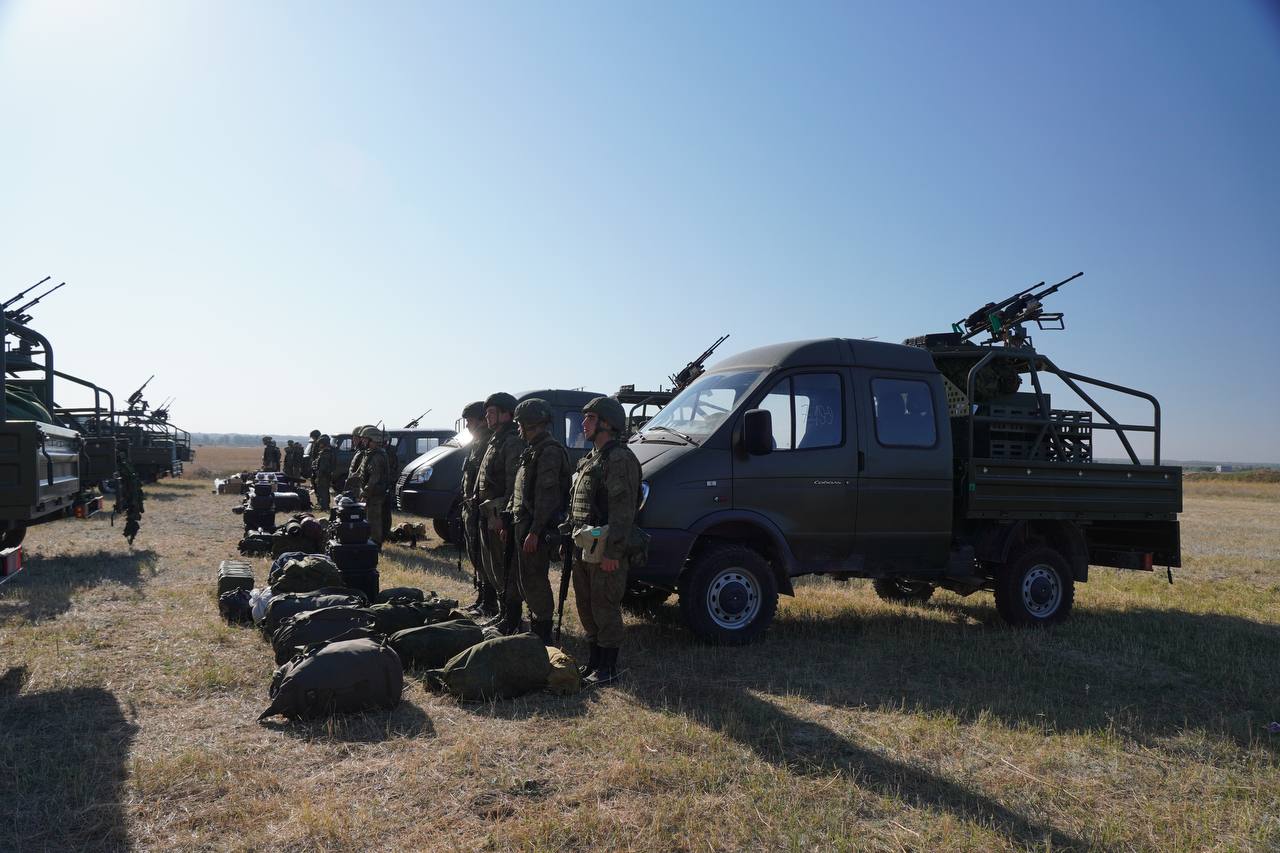
In Ukraine, where similar mobile groups have been used extensively, their effectiveness is widely regarded as low. Drone operators have adapted their flight paths to bypass these teams by flying at altitudes beyond the reach of their weapons, further reducing their impact.
Ukrainian military planners increasingly see drone-on-drone interception as a more effective countermeasure against UAV threats. Interceptor drones, capable of pursuing and destroying enemy UAVs mid-flight, have shown superior performance compared to ground-based small arms fire.
Kyiv has invested heavily in developing and deploying such systems, viewing them as essential to countering the growing scale and sophistication of Russian and Iranian-made platforms like the Shahed and its domestic variants.