


As Ukraine continues to use low-cost homemade drones to ignite Russian oil refineries, Moscow unleashed one of its most destructive missile and drone barrages on Kyiv in months, striking civilian neighborhoods in the heart of the capital.
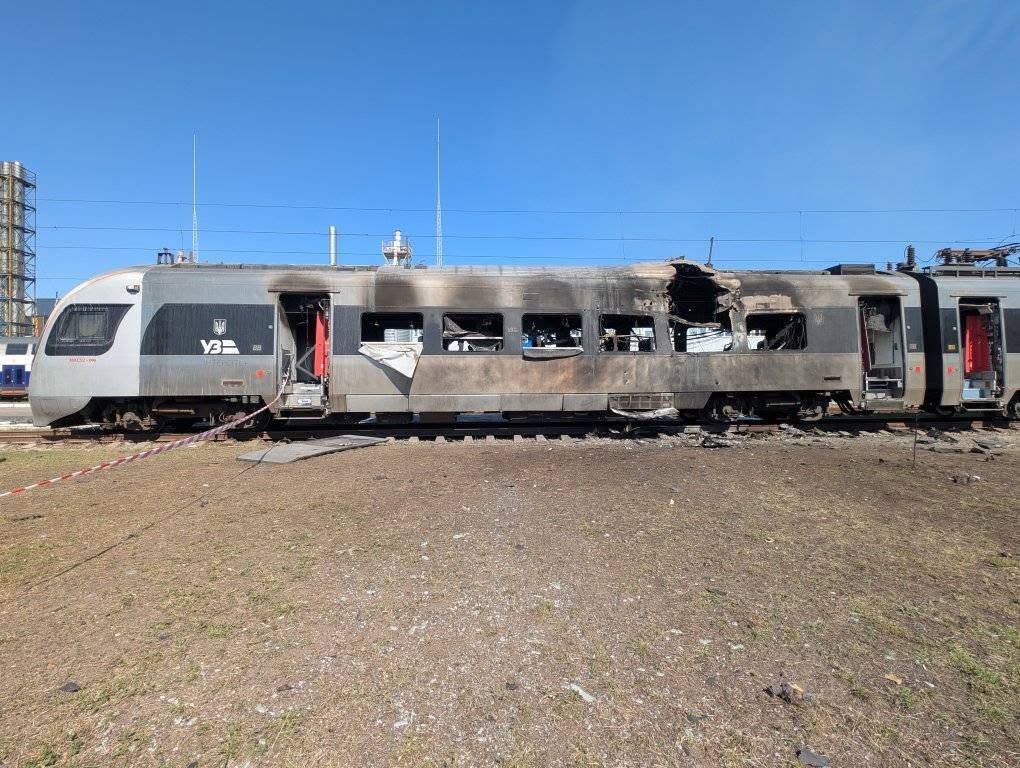
In the overnight assault of August 28, Russia fired hundreds of weapons — including ballistic and cruise missiles — directly at residential areas. At least 14 civilians, including three children, were killed and dozens more were injured, according to Ukrainian officials.
Ukrainian drones have been repeatedly targeting refineries deep inside Russia, damaging facilities that supply fuel for occupying forces and contribute to state revenues funding the war. The drones, inexpensive and improvised, have proven effective in hitting critical infrastructure.
By contrast, Russia launched ballistic and cruise missiles worth hundreds of millions of dollars against apartment blocks in Kyiv, destroying homes, offices, and shops. Ukrainian officials said the clear intent was to terrorize civilians and sow fear, not achieve battlefield gains.
“These Russian missiles and attack drones are a clear answer to everyone in the world who for weeks and months called for a ceasefire and real diplomacy,” said President Volodymyr Zelenskyy. “Russia chooses ballistics, not the negotiating table. It chooses to continue killing rather than ending the war. This means Russia still does not fear consequences.”
The Armed Forces of Ukraine reported that Russia used 629 aerial weapons in the assault. Among them were two Kh-47M2 Kinzhal hypersonic missiles, nine Iskander-M ballistic missiles, and 20 Kh-101 cruise missiles launched from strategic bombers.
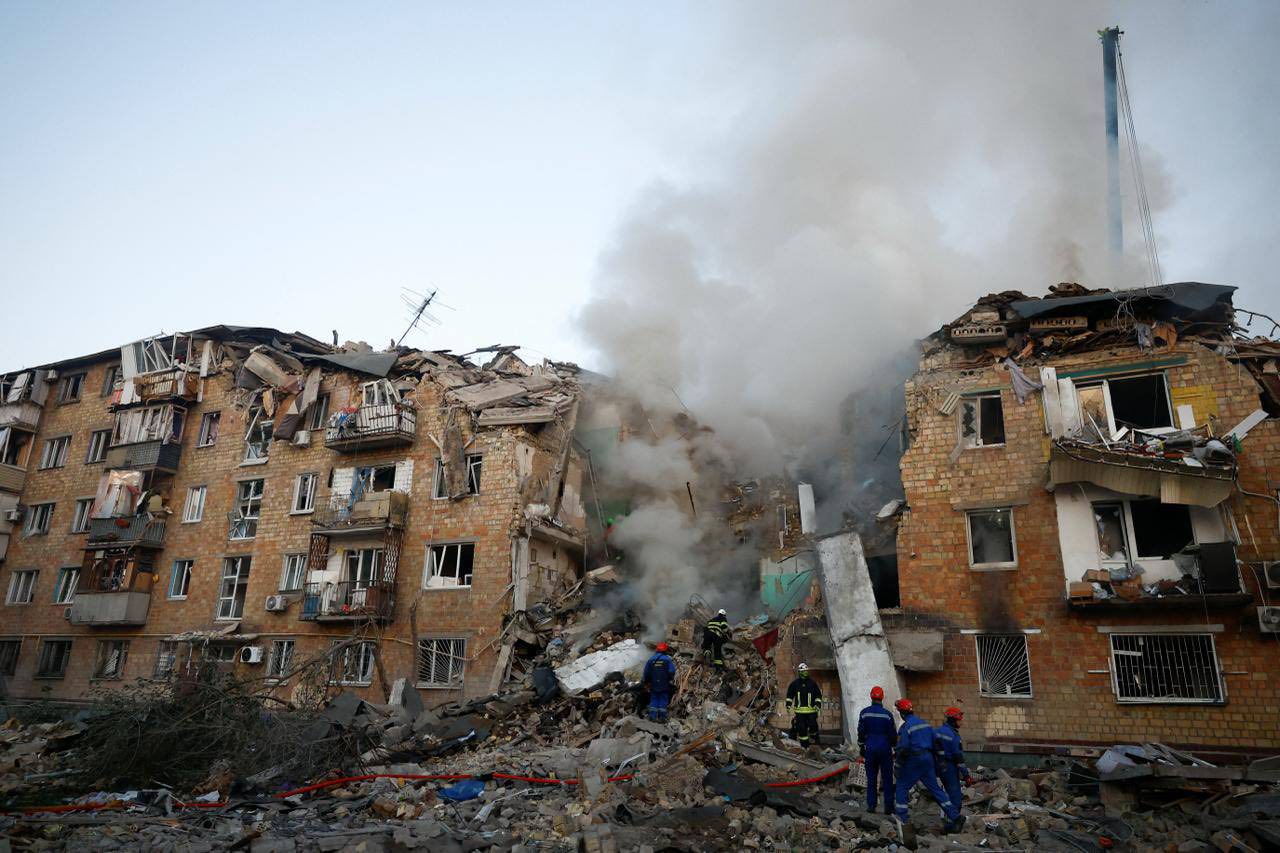
Video from the scene showed two Iskander missiles slamming into a residential high-rise, collapsing part of the structure and causing a massive fire. The blasts also damaged nearby European Union offices, media companies, and a shopping mall, adding to the destruction across central Kyiv.
Zelenskyy called on the international community — including China and Hungary, both of which have previously urged restraint — to respond. “The death of children must provoke stronger emotions than anything else. We expect a reaction from everyone in the world who called for peace but now remains silent instead of taking principled positions,” he said.
While Ukraine’s drones cost a fraction of the missiles used by Russia, analysts note the asymmetry underscores the realities of the war: Ukraine strikes Russia’s war-sustaining assets with targeted low-budget systems, while Moscow retaliates by expending vast sums to kill civilians and spread terror.
Emergency crews in Kyiv worked through the night rescuing survivors and recovering bodies from the rubble. Residents said the attack was one of the most terrifying nights since the start of the full-scale invasion in 2022.
The Ukrainian Air Force said that while many incoming weapons were intercepted, the sheer number and variety made it impossible to stop all of them.
For many in Ukraine, the strikes reinforced the contrast between the two strategies: Ukrainian drones focus on disabling refineries and disrupting Russia’s war machine, while Moscow targets civilian populations to instill fear.
As Zelenskyy put it, Russia “still benefits from those who close their eyes to the murdered children and look for excuses for Putin.”
The overnight assault has renewed Kyiv’s calls for stronger international action, both in the form of defensive aid and in holding Moscow accountable for deliberately targeting civilians.