


Archer Aviation says it is accelerating production of its Midnight electric vertical takeoff and landing (eVTOL) aircraft, with a near-term goal of achieving an output rate of 50 aircraft per year across roughly 700,000 square feet of manufacturing and test facilities.
The company reported Tuesday that aircraft built during this new product introduction phase will be used for certification and early commercial operations.
According to Archer, six Midnight aircraft are currently in various stages of production, with three now in final assembly at its Covington, Georgia, and Silicon Valley, California facilities. The Federal Aviation Administration is continuing reviews and inspections of Archer’s manufacturing operations as part of a production certificate process that has been ongoing since January.
During the early production phase, Archer is using a “golden manufacturing line” at one of its Silicon Valley sites for final assembly of initial Midnight aircraft. This approach allows the company to refine assembly processes while producing aircraft for certification efforts.
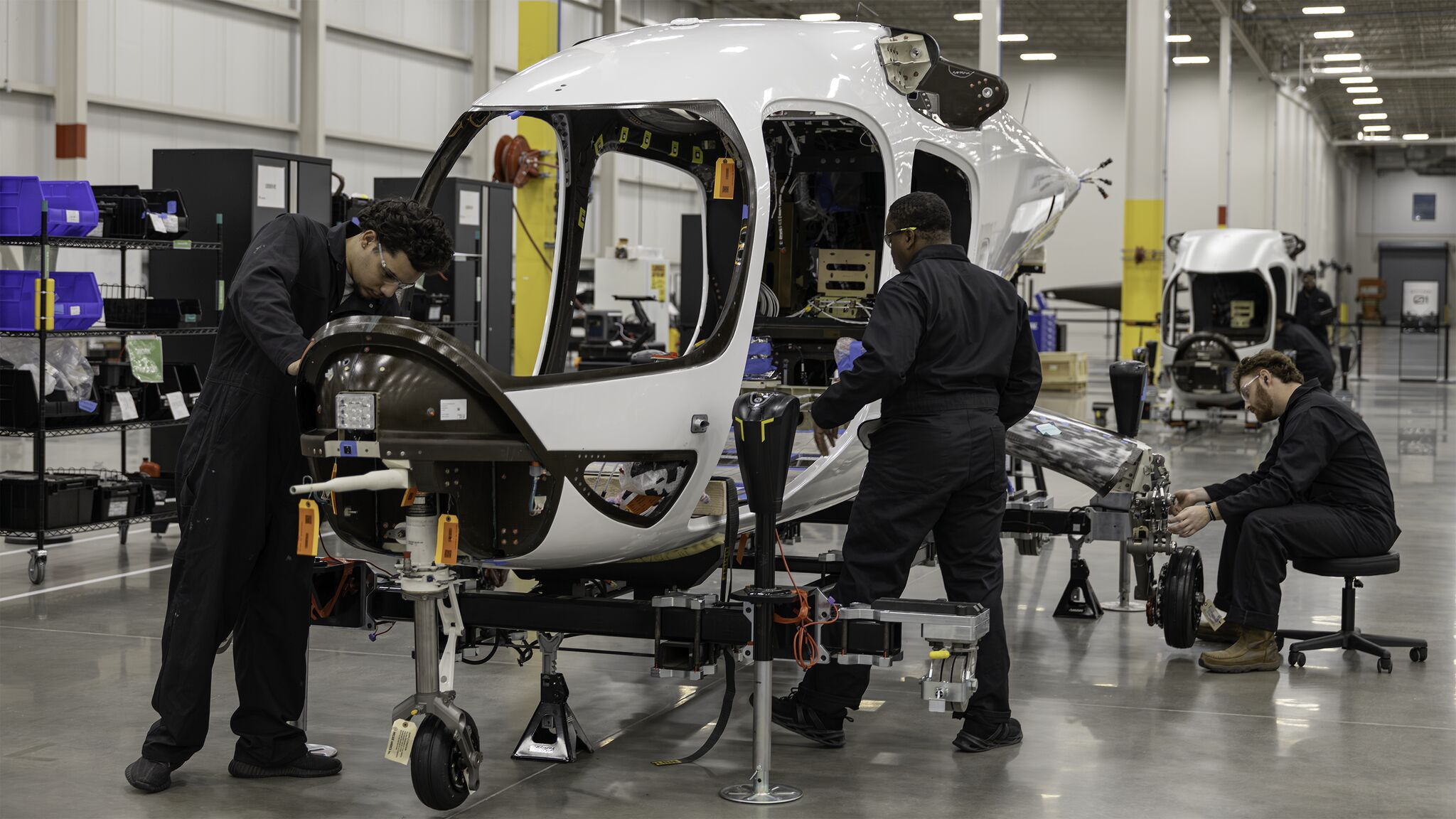
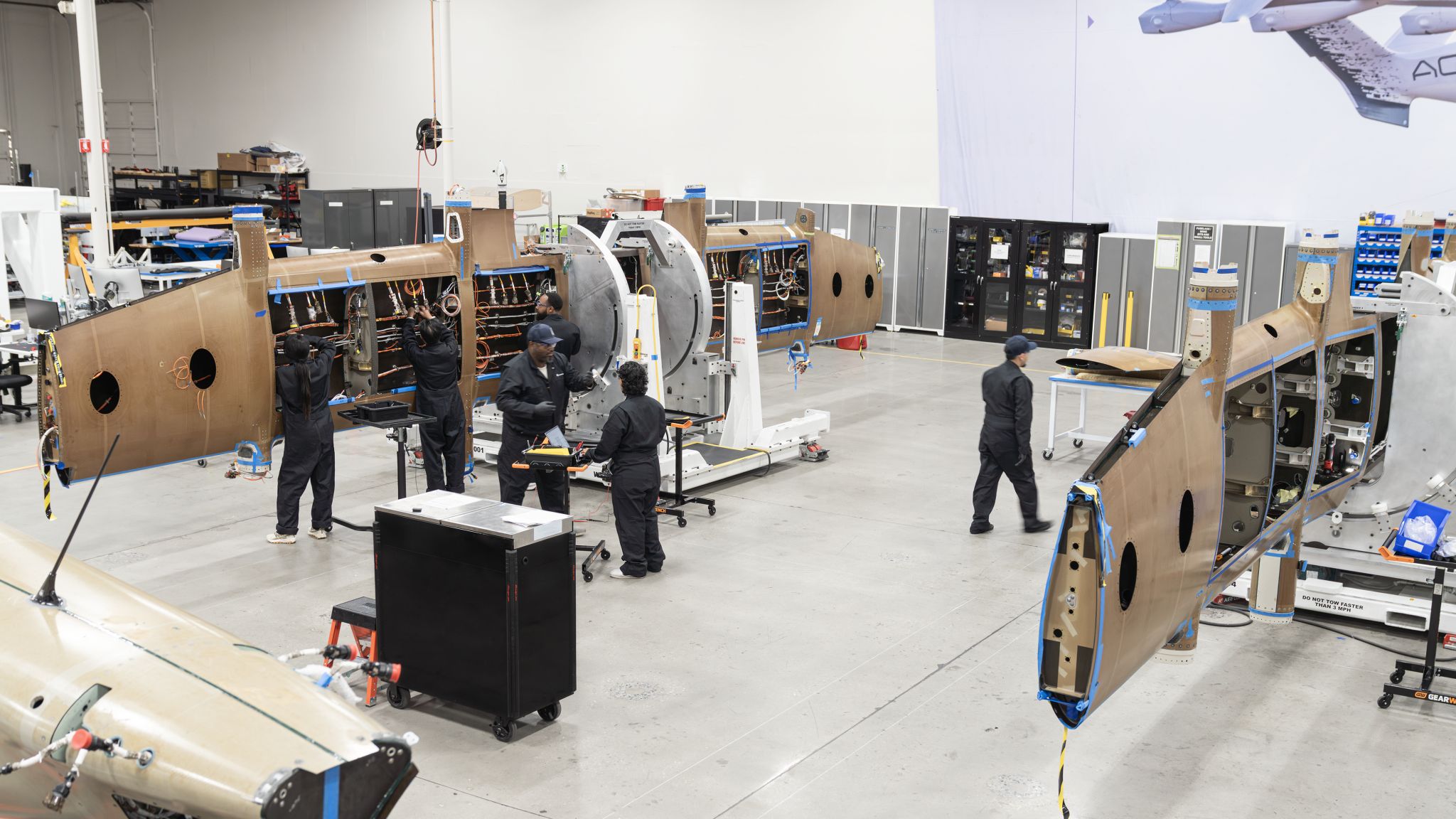
Archer says lessons learned from the Silicon Valley “golden line” are directly informing the design and ramp-up of its high-volume manufacturing facility in Covington, Georgia. Initial work at the Georgia site has focused on fuselage manufacturing for the Midnight airframe, with production methods being refined for eventual full-rate output.
Last year, Archer delivered its first Midnight aircraft to the U.S. Air Force following the Department of Defense’s acceptance of the aircraft’s military airworthiness assessment. This clearance allows AFWERX, the Air Force’s innovation arm, to conduct government-directed flight testing and evaluate the aircraft in operational and mission-specific scenarios.
Archer says the dual-site manufacturing approach, combined with early government engagement, positions the Midnight program to meet both commercial and military demand once certification is achieved. The company maintains that the current production rate is on track to support broader deployment timelines in the coming years.