

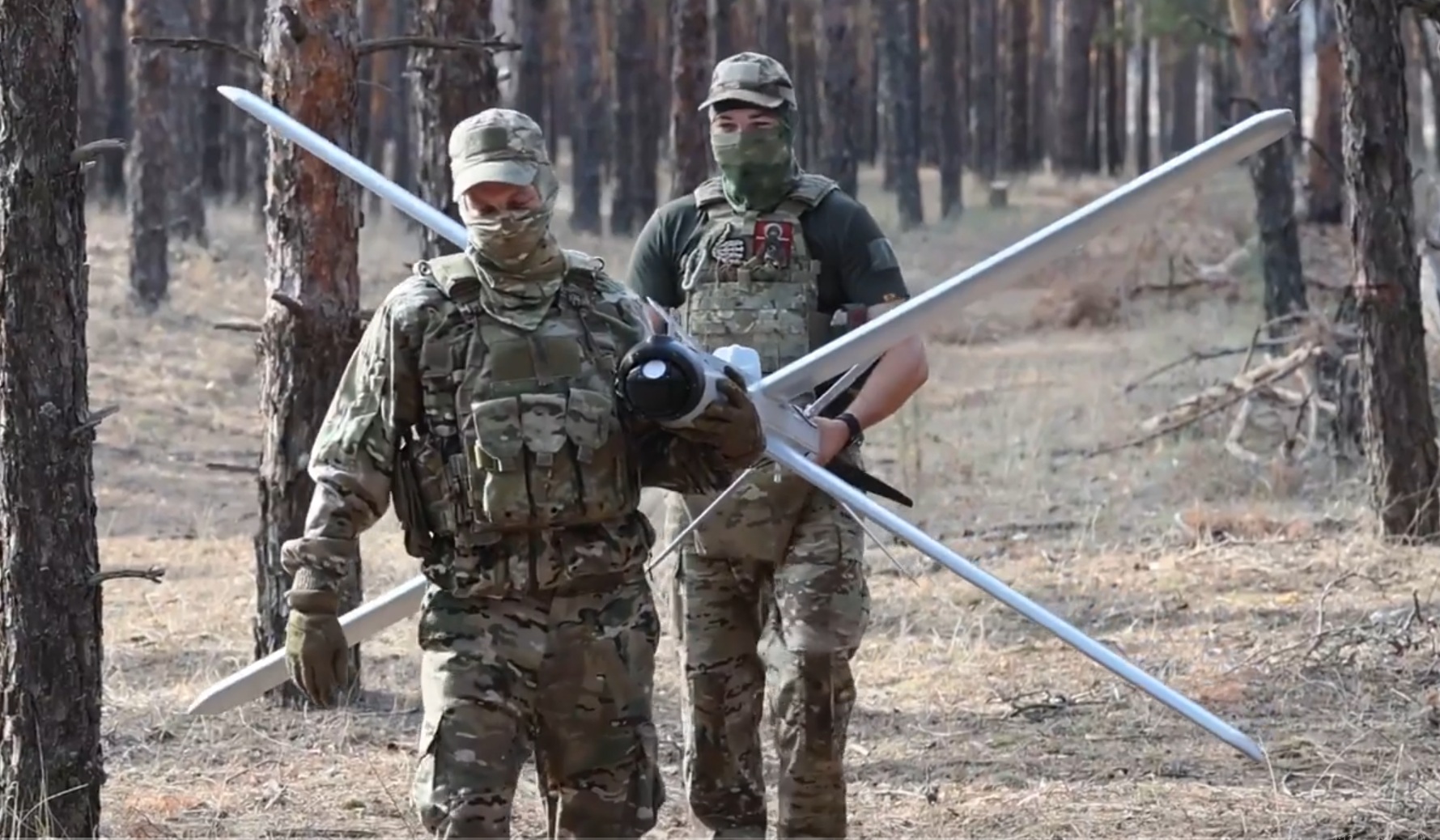
Russia has built a rapidly growing and effective drone industry in a short period of time, despite facing international sanctions and political pressure from Europe and the United States.
By focusing on proven, low-cost, and serially produced designs, the Kremlin has been able to quickly increase output of a wide range of systems, including loitering munitions, fiber-optic-controlled first-person view (FPV) drones, interceptors, maritime drones, and ground-based robotic platforms.
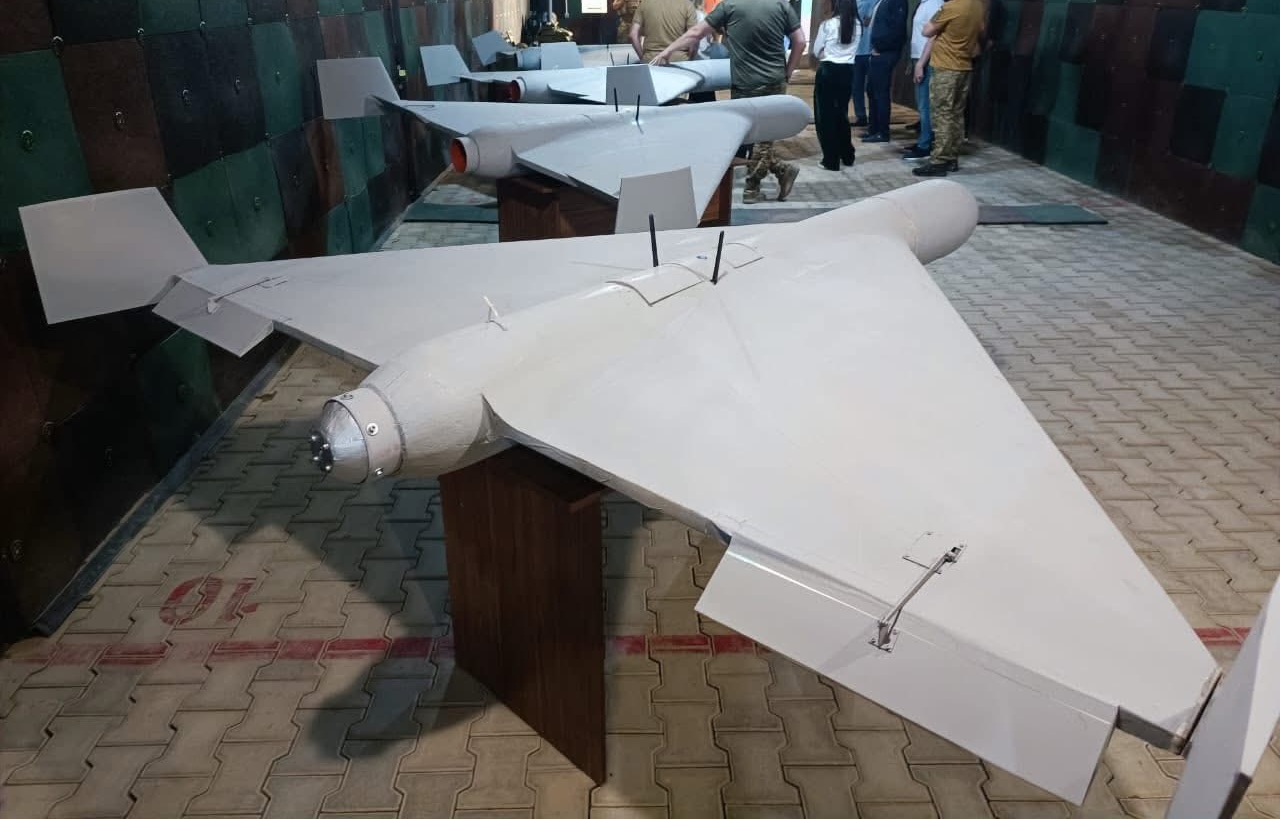
Particular success has been achieved in producing low-cost strike systems at the tactical level with ranges of 20 to 50 kilometers — such as the Lancet, Molniya, and Knyaz Vandal Novgorodsky — and at what can be considered a strategic level, with ranges of 500 kilometers or more, such as the Geran and Harpiya, based on Shahed-style designs.
Speaking to Defence Blog, Samuel Bendett, an advisor with the Russia Studies Program at CNA, said:
“There has been a noted improvement in Russia’s tactical UAVs over the past several years, both in the quality of FPVs, quadcopters and fixed-wing variants developed, and their growing quantity at the front. Certain issues still remain – such as uneven supply of tactical drones across the front (most often noted by commentators and volunteers), continued reliance on imported components from China and on actual China-made drones like DJI Mavic series, uneven level of drone pilot training, and uneven quality control for numerous tactical drone types now present at the front.”
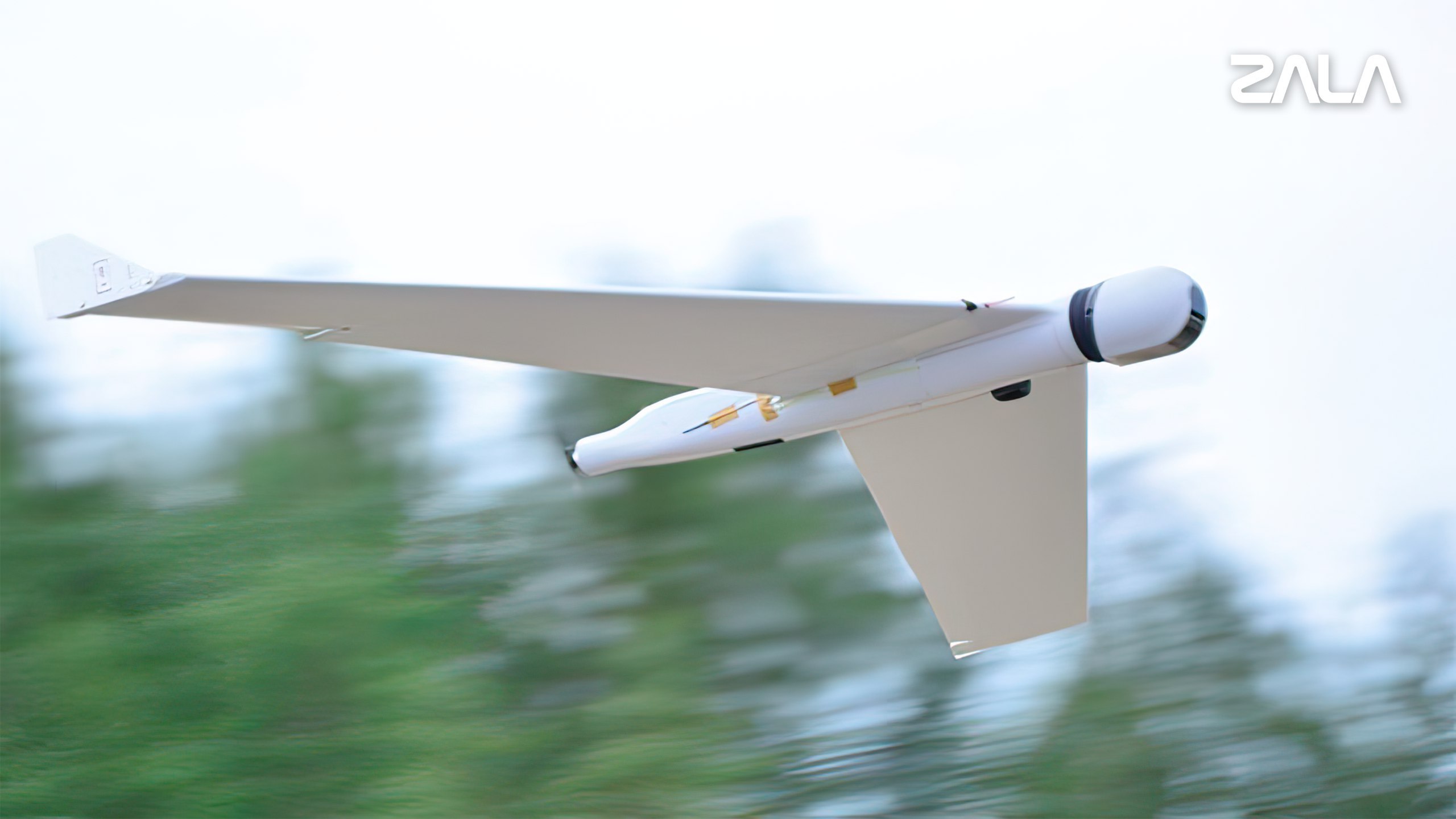
Bendett added that Russia is making “a significant effort to professionalize tactical drone use, such as via Rubicon Center units; to utilize a growing number of fiber-optic drones that devastate Ukrainian logistics and supply lines; to use a growing number of tactical drone interceptors against Ukrainian large multirotors and fixed-wing ISR drones; and to incorporate advanced technologies like AI-enabled target-lock and image recognition into a growing roster of UAVs.”
He noted that Russia’s defense sector is manufacturing an increasing number of tactical quadcopters, including fiber-optic models, alongside startups that have expanded production of FPVs and other tactical drones. Monthly deliveries of at least 120,000 drones to the front last year are “likely to grow significantly this year” as Russian forces adopt and adapt Ukrainian tactics, integrate them into their own operations, and further promote domestic drone development and manufacturing.
Ukraine is also aware of the growing threat posed by Russia’s expanding drone capabilities. Maria Berlinska, a volunteer and head of Ukraine’s Center for Aerial Reconnaissance Support, warned in May that by 2026, thousands of Russian drones could be “constantly hunting people in Ukrainian cities.”
“Right now, everyone fears Shaheds and missile strikes. But Shaheds and missiles hit specific coordinates. There is something much more dangerous — thousands of drones over cities in constant hunting mode,” Berlinska said.
She emphasized that this scenario could become reality not only in front-line cities such as Sumy, Dnipro, and Kharkiv, but also in western cities like Lviv and Chernivtsi.
At the same time, Ukraine’s own defense industry has begun to study and replicate certain Russian systems — including the Molniya, Lancet, fiber-optic drones, and Shahed-style models — viewing them as optimized combat designs that can be produced without massive industrial investment or advanced manufacturing technologies.
Both sides are now engaged in a fast-paced cycle of adaptation, with Russian industry leveraging inexpensive mass production to flood the battlefield with drones, while Ukraine accelerates development of its own cost-effective strike and reconnaissance systems.
At present, it is difficult to dispute the fact that Russia has not only maintained its domestic drone production under heavy international pressure, but has also managed to expand output, improve quality, and diversify its range of unmanned systems.