


Russia’s defense industry has unveiled the scale of its growing production of Shahed-style attack drones, further signaling its intent to intensify strikes against Ukraine.
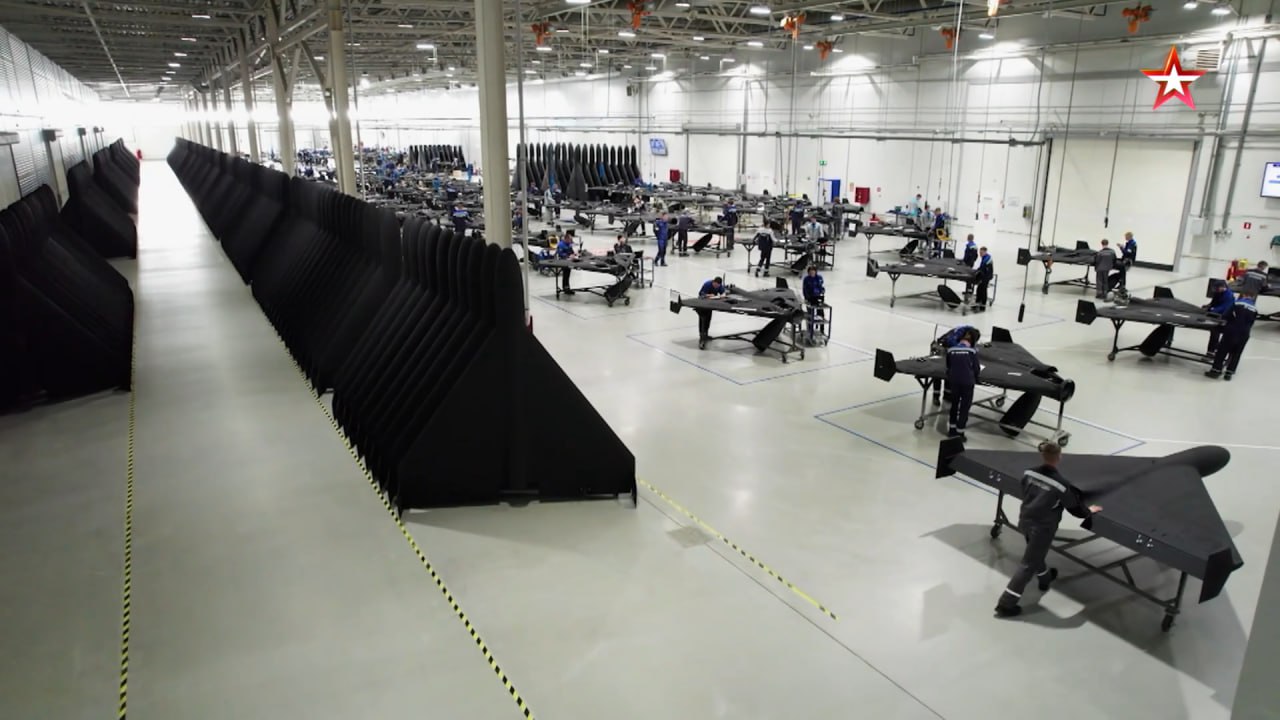
Footage aired this week on the Russian Ministry of Defense’s television channel showcased what it described as the mass production of Geran-2 drones (a local version of the Shahed-136) at the Alabuga Special Economic Zone in Tatarstan.
The Alabuga complex, located roughly 10 kilometers from Yelabuga and 210 kilometers from Kazan, has become a hub for Russia’s drone manufacturing efforts since the full-scale invasion of Ukraine in 2022. The facility’s vast operations include assembly lines for composite fuselages, engine production areas, and foundries for metal parts. Russian media described a highly developed industrial zone complete with its own infrastructure—housing for workers, a medical center, and even a detention facility for those violating internal rules.
According to the reports, Russia is now producing approximately 170 Shahed-type drones per day, with plans to increase output to 190 daily by the end of 2025. This surge enables Moscow to launch large-scale drone attacks, which Ukrainian and Western analysts warn could overwhelm Kyiv’s air defense systems.
“Russia is preparing to launch up to 2,000 drones simultaneously against Ukraine,” said Bundeswehr Major General Christian Freuding in an interview with Nachgefragt. Freuding noted that Ukraine’s current air defenses—including U.S.-supplied Patriot missile systems—are not optimized for countering drone swarms of this magnitude.
The scale of production at Alabuga has expanded rapidly over the past two years, satellite imagery confirms. Initially designed for civilian industrial development, parts of the zone were reoriented toward military manufacturing after Russia began importing Shahed-136 drones from Iran in 2022. The Geran-2, a licensed version of the Iranian design, has since been widely deployed in Russia’s long-range attacks against Ukrainian infrastructure and cities.
Ukrainian intelligence officials told Oboronka that Russia has launched nearly 4,000 drones in attacks on Ukraine between July 1 and July 15 alone. These operations highlight the growing threat posed by mass-produced, low-cost unmanned aerial vehicles in modern conflicts.
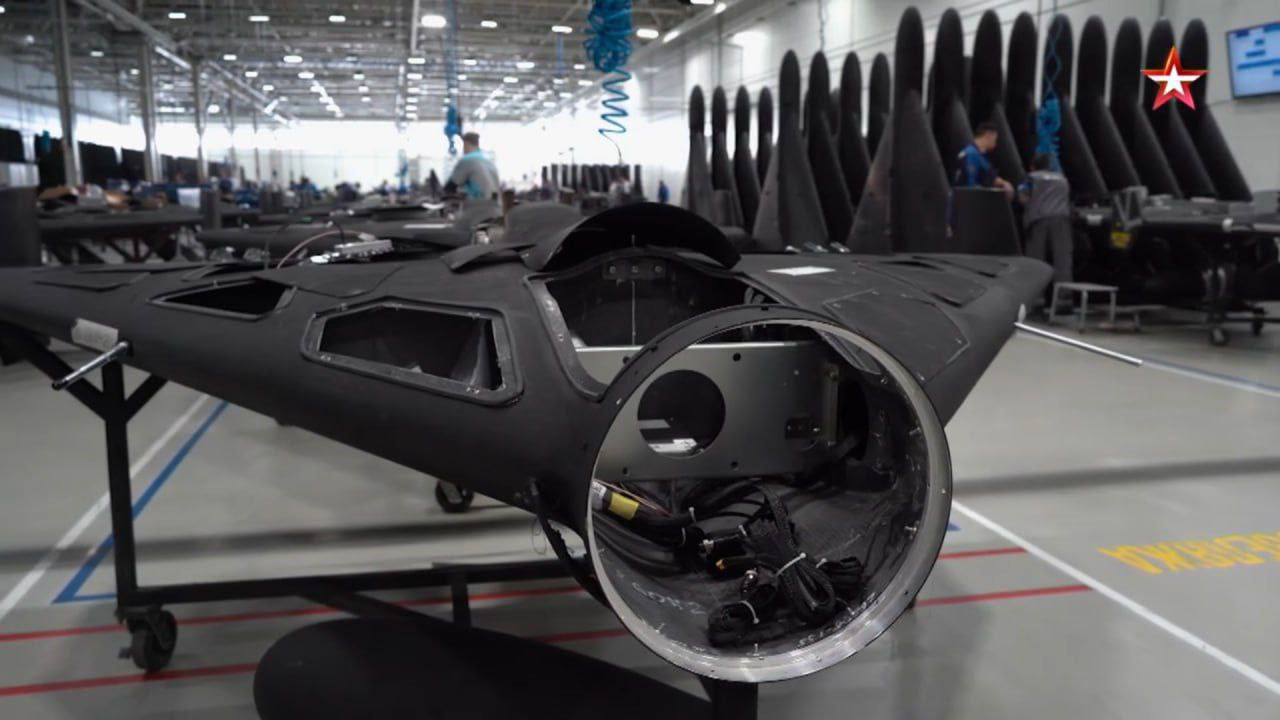
Russia’s evolving drone production capacity could tilt the balance on the battlefield if countermeasures are not enhanced.
The Alabuga facility itself has drawn scrutiny from intelligence agencies for its use of migrant labor and its reportedly strict security regime. Some reports suggest the site functions as a semi-militarized enclave, designed to shield critical defense projects from disruption.
With Ukrainian forces continuing their efforts to intercept drones and missiles, NATO countries are racing to supply Kyiv with additional air defense systems and electronic warfare equipment. Yet as Russia ramps up drone output, Ukrainian officials warn that the country faces the risk of a sustained aerial bombardment campaign.