

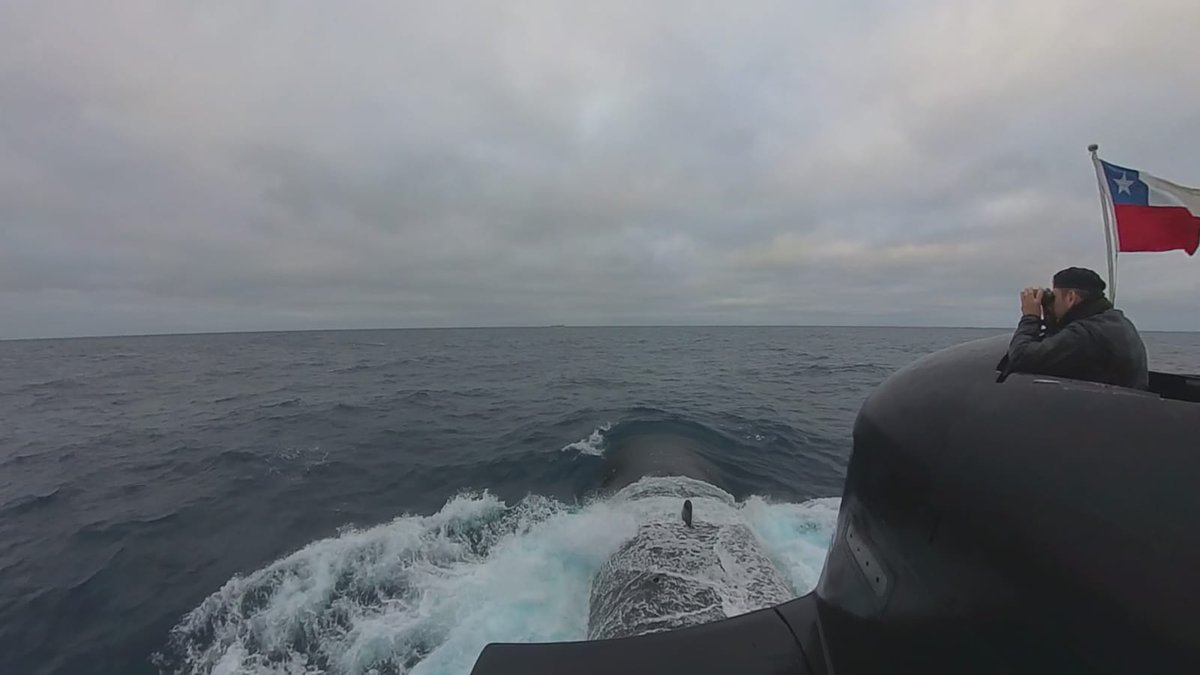
Chile’s naval forces recently executed a strategic Oceanic Fisheries Control Operation (OFPO) in the Juan Fernández Island Marine Park.
The Chilean Navy announced that one of its Scorpène class diesel-electric attack submarines was deployed for this surveillance operation. The purpose was to meticulously monitor the movement and operations of a Chinese fishing fleet within the marine park’s waters.
OFPO missions are an integral part of Chile’s maritime strategy, aimed at meticulously monitoring and regulating both national and international fishing fleets operating within Chile’s oceanic territories. These operations ensure compliance with international agreements, fortify the protection of marine reserves, and ultimately contribute to the defense of the country’s territorial integrity and sovereignty.
Speaking on the significance of these operations, the Chilean Navy emphasized that such endeavors are crucial for Chile’s compliance with international treaties. They not only protect marine reserves and contribute to national development but also align with the nation’s commitment to the responsible stewardship of its marine resources.
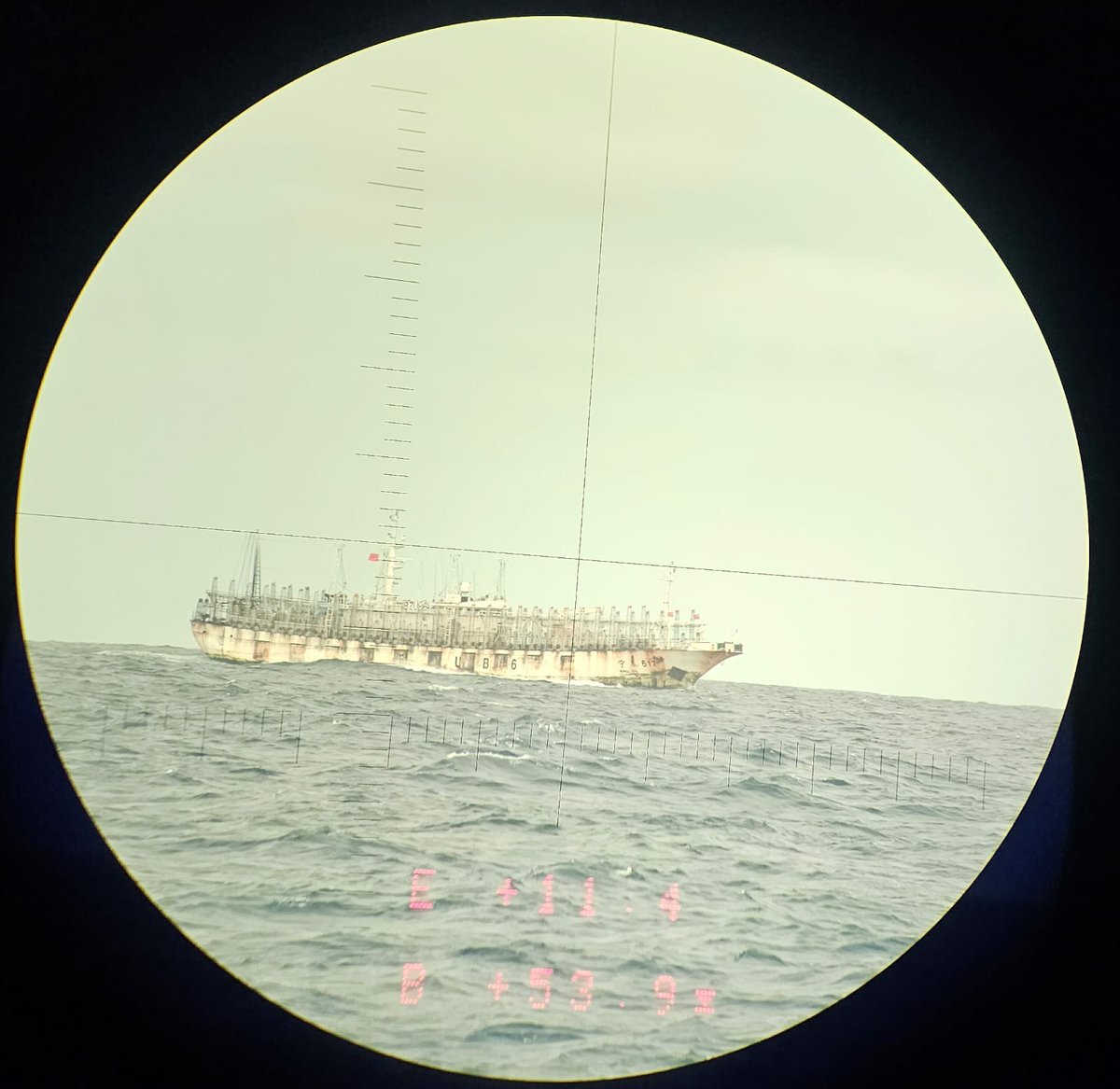
Chile’s focused efforts on Oceanic Fisheries Control Operations represent a proactive stance in the realm of maritime security.
This comes against a backdrop of growing concerns about China’s extensive deep-sea fishing fleet’s activities in the South Pacific.
According to Spinoff, China’s deep-water fishing armada, the largest in the world, is plundering the South Pacific. Just as they are wiping out Africa’s elephants to make ivory chess-pieces and India’s tigers to fight off impotence, they are rapaciously taking as much tuna as they think they can get away with, including endangered species.
Recent reports suggest that China’s fishing presence has experienced an unprecedented surge, escalating by over 500% since 2012. This rapid expansion has raised alarms within the fishing industry, with experts expressing apprehension about its potential impact on the Pacific tuna industry, valued at approximately $3 billion annually.