

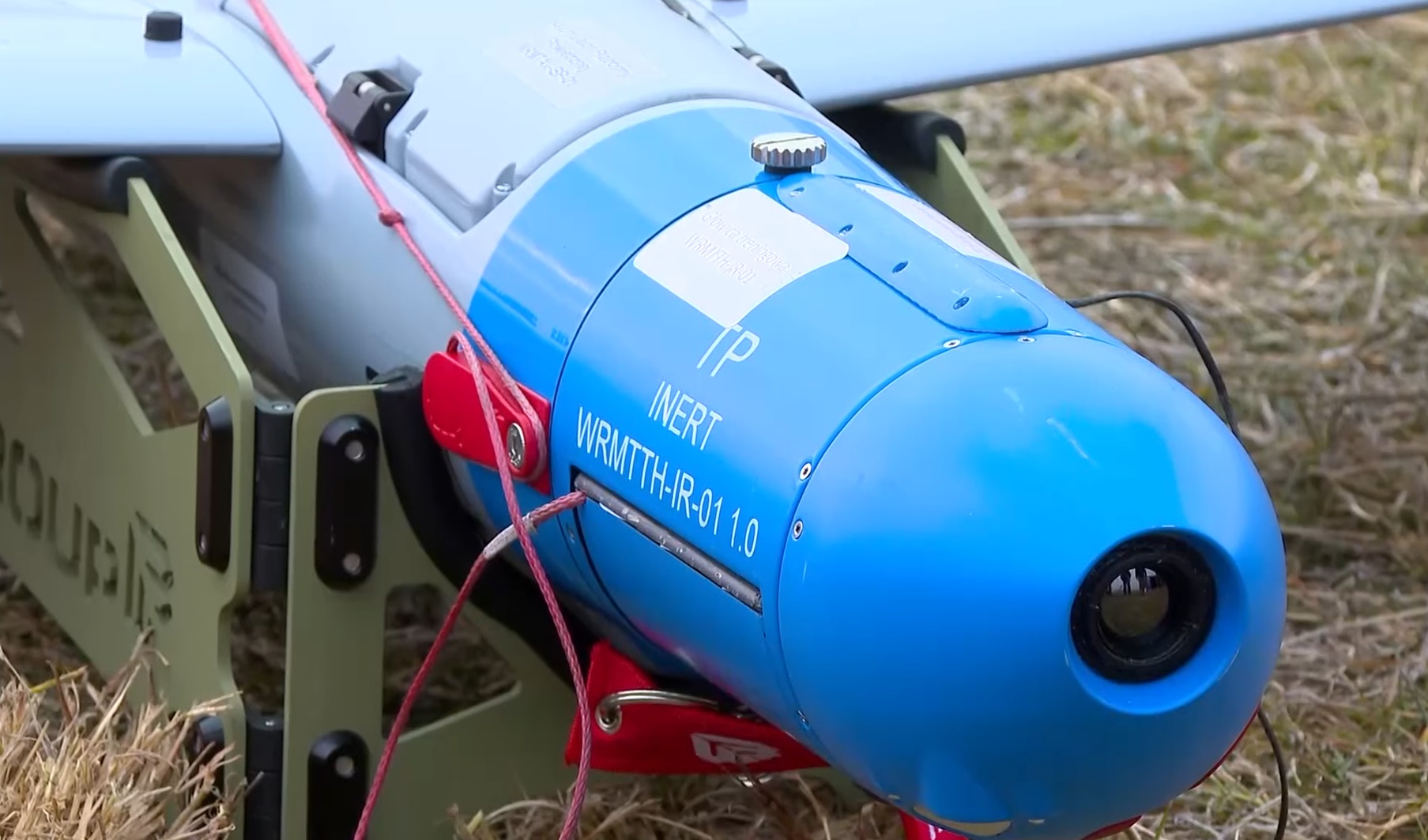
Georgia’s defense forces showcased their latest technological advancements by unveiling locally manufactured loitering munitions from the Georgian-Polish factory, ‘Delta-WB.’
The demonstration, held at the Vaziani shooting range, was attended by Georgian Defense Minister Juansher Burchuladze, Defense Forces Commander Major General Giorgi Matiashvili, Defense Agency officials, and members of the Georgian Parliamentary Majority.
During the event, military personnel presented Georgian-made unmanned aerial systems and American-made ground surveillance radars, showcasing their tactical capabilities to the Defense Minister. Attendees observed live demonstrations of two Delta-WB-made drones: the FLYEYE reconnaissance drone and the Warmate loitering munition, commonly known as a ‘kamikaze’ drone.
Following Ukraine’s lead, Georgia’s STC Delta signed an agreement with Poland’s WB Group on May 18, 2022, aiming to localize the production of two key drone types: the FLYEYE reconnaissance drone and the Warmate loitering munition.
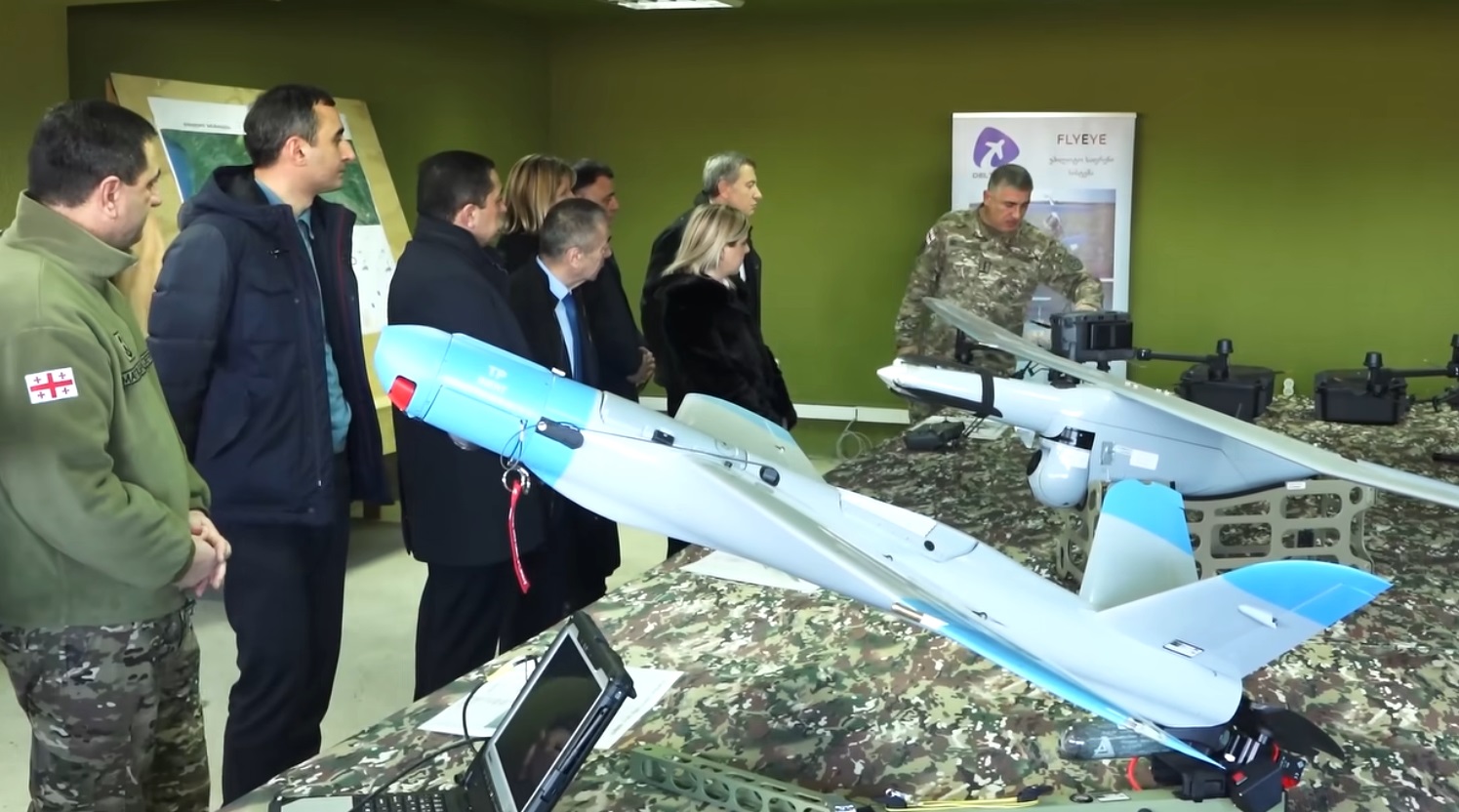
Delta-WB Ltd, a collaboration between ‘Delta International’ Ltd and the Polish company ‘Webe Electronics,’ is spearheading the production and assembly of unmanned aerial vehicles, aiming to bolster local drone manufacturing. Simultaneously, the training center established by Delta-WB effectively trains drone operators.
Warmate, designed to deliver a high-explosive payload within a range of 30 kilometers, has a flight time of 70 minutes, presenting itself as a viable alternative to anti-tank guided missiles. Its adaptability allows deployment via man-portable means or integration onto ground vehicles or helicopters, enhancing its tactical flexibility.
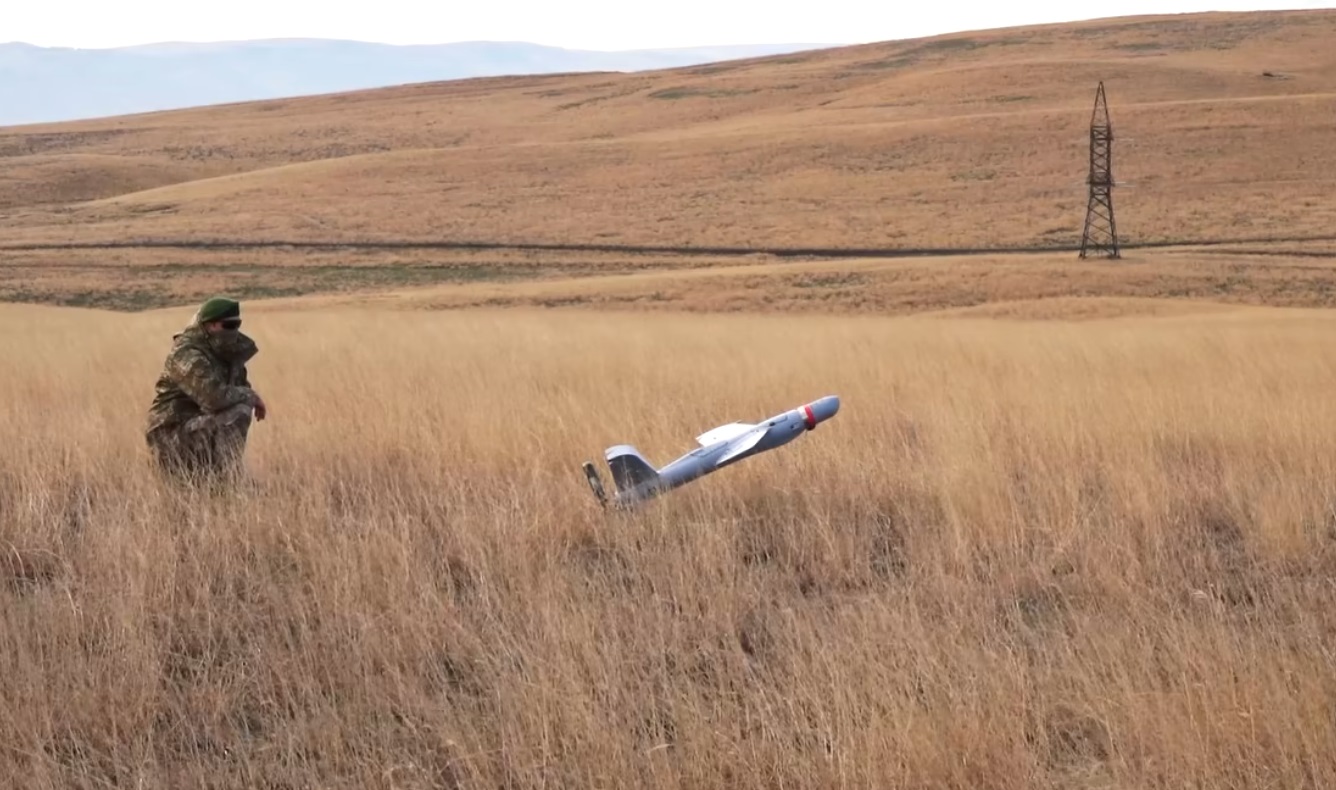
Ukraine’s successful utilization of similar drones, coupled with a growing missile arsenal, prompted Russia to redirect military resources, such as air-defense equipment, from the frontlines to safeguard critical installations within its territories. This strategic shift not only pressured Russia but also forced them to confront the realities of the conflict on their home soil.
These cutting-edge developments align with the Defense Forces Development Plan 2030, wherein multifunctional radar systems and unmanned aerial vehicles will strategically enhance Georgia’s defense intelligence capabilities across Defense Force units.