

Recent events in Ukraine and the Russian military campaign have not only reshaped the political landscape but have also significantly impacted the global arms market. The Russian Federation, traditionally a key player in the defense sector, is swiftly losing its foothold, driven not only by political circumstances but also by technical and economic challenges in adapting to new realities.
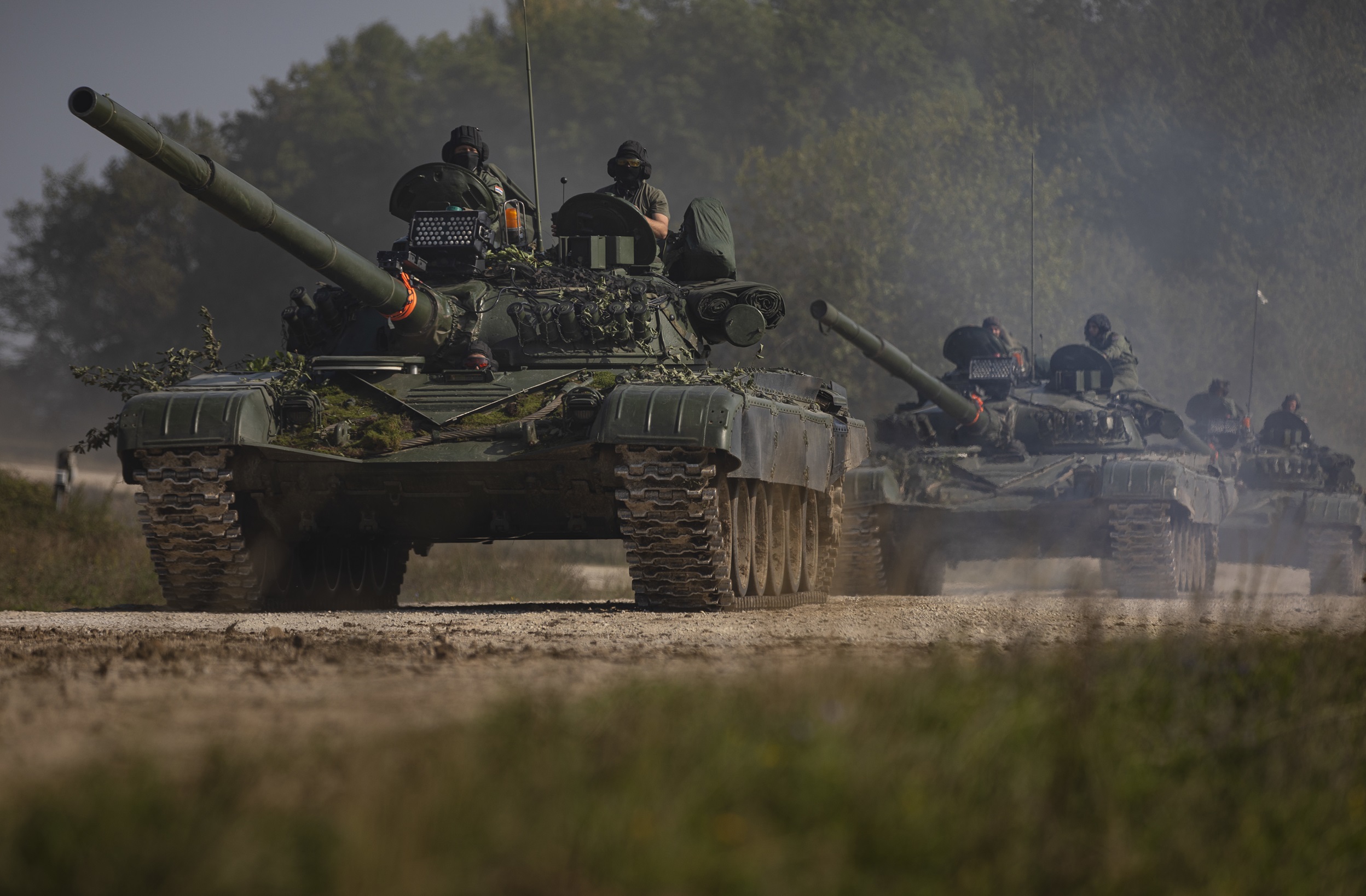
From 2010 to 2021, Russian tank supply volumes increased, but the market dynamics are undergoing substantial changes. The onset of a new “tank boom” triggered by Russian aggression in Ukraine in 2022 had the potential to be lucrative for Russian manufacturers. However, the outcomes of this military campaign quickly revealed Russia’s backwardness and inefficiency in creating modern tanks, resulting in the loss of thousands of units during the initial months of combat.
One significant factor contributing to the loss of Russian market share is their own “toxic” image. Russia’s deepening sanctions and restrictions have led to a reduction in potential clients, no longer viewing Russia as a reliable long-term partner.

Competition from other countries also significantly impacts the Russian tank market. China and South Korea actively enter the global market with their modern and budget-friendly tanks, challenging Russian offerings. New models such as China’s VT4 and VT5, along with South Korea’s K2 series, are setting standards for performance and efficiency. This occurs against the backdrop of heightened activity from traditional powerhouses like the United States, France, and Germany.

Currently, Russia’s main tank buyers are countries with ongoing contracts and those facing financial and political restrictions for purchases from other manufacturers. However, China, expanding its military supplies aggressively, is displacing Russian tanks in this market segment.
Similar trends are observable in other segments of Russia’s military-industrial complex. In wheeled armored vehicles, where Russian models compete with modern armored personnel carriers and combat vehicles, a similar decline in popularity is evident. Purchasers favor transport vehicles combining high mobility and reliability, and Russian models no longer meet these contemporary requirements.

In artillery systems and munitions, increasing competition from other global players is observed. Here, effectiveness and precision are key, not just quantity. Countries prefer developmental solutions that can provide a strategic advantage, leaving Russian systems in the background.
The situation is analogous in military aviation, where Russian aircraft and helicopters, once popular in many countries, are losing attractiveness due to technical limitations and a lack of modern technologies.
This overall decline in all segments of Russia’s military-industrial complex suggests that rival countries are quickly catching up and surpassing Russia in innovation, development, and product quality.
The uncertainty surrounding the end of the war in Ukraine persists, but it is already evident that Russia’s defense industry has suffered a significant setback in the global arms market. This setback not only affects Russia’s economic condition but also underscores the gap between its military-industrial complex and real challenges. It might signal the beginning of the end of Russian dominance in the global arms market, raising doubts about its competitiveness in the future.