

The U.S. Army strives to develop new aircraft as part of the Future Vertical Lift program to successfully dominate in highly contested and complex airspace against known and emerging threats.
Pentagon expects that in the future, Army aviation systems will need to operate in an anti-access and area denial (A2AD) contested airspace against adversaries that have advanced capabilities that constrain freedom of maneuver. The military researchers are analyzing the future of the Army’s aircraft and concluded that the newest Russian anti-aircraft artillery systems will pose the threat for Future Vertical Lift solutions.
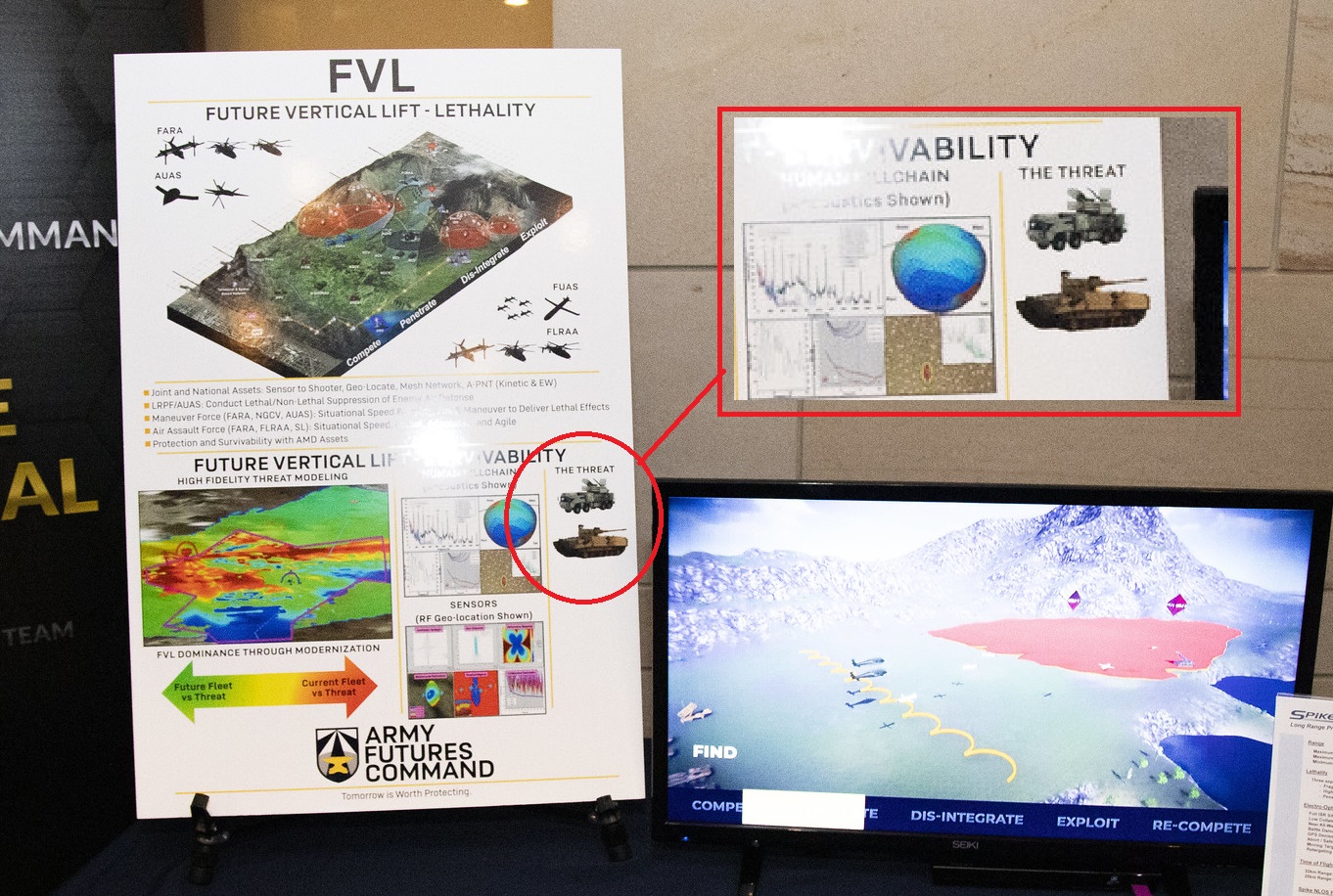
According to recent Army Futures Command’s informational slides to industry, the new 2S38 Derivatsiya-PVO self-propelled anti-aircraft gun system (SPAAG) and Pantsir self-propelled anti-aircraft gun missile (SPAAGM) system were describes as main threats for new helicopters.
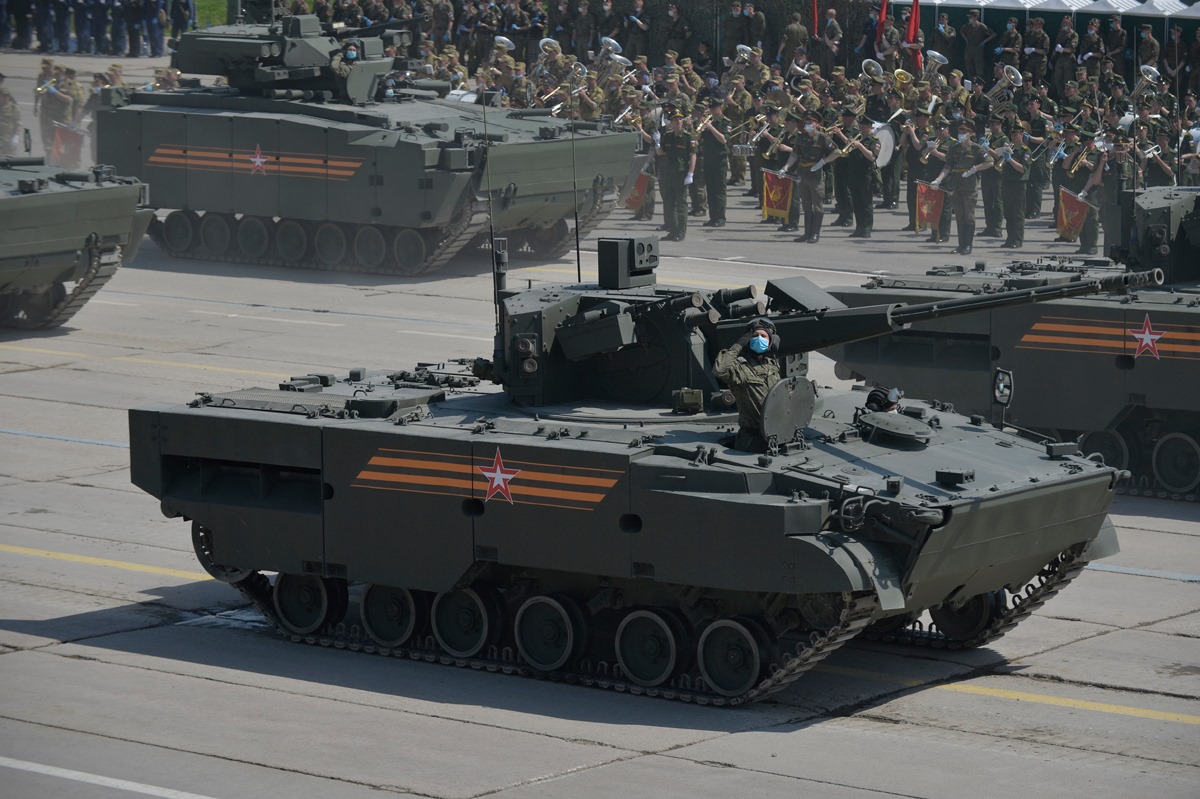
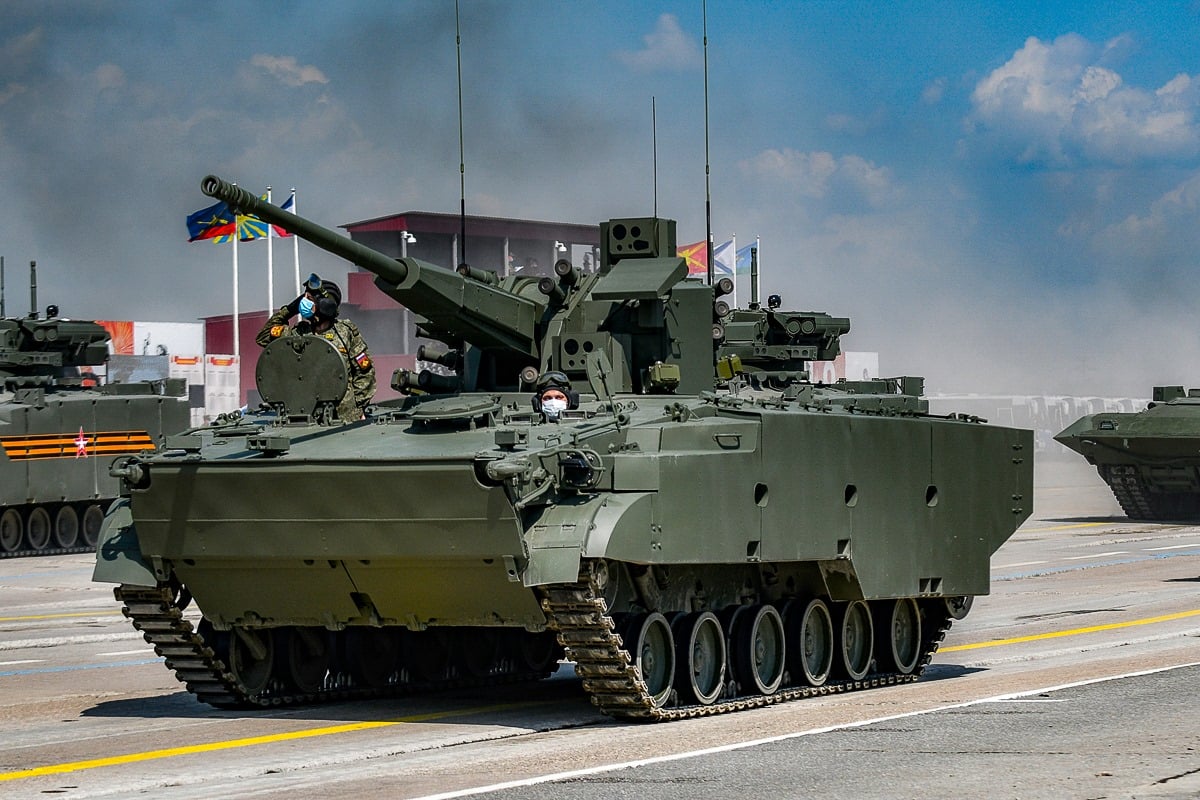
The 2S38 Derivatsiya-PVO is a new Russian anti-aircraft artillery system based on the chassis of the BMP-3 infantry fighting vehicle and equipped with a 57-mm gun.
According to TASS News Agency, the new system is designed to destroy air targets such as unmanned aerial vehicles, helicopters, cruise missiles, air-to-surface missiles, tactical aircraft, and fire support helicopters. Anti-aircraft guns are also capable of shooting down multiple rocket launchers, destroying ground and surface targets.
Open sources sad that the Derivatsiya-PVO’s gun features a high rate of fire – 120 round per minute. The process of repelling air attacks is all-automatic from target acquisition to round selection to firing. The gun’s elevation varies from -5 deg. to 75 deg. The Derivatsiya-PVO reaches targets at an altitude of 4.5 km and eliminates lightly armored ground vehicles at a range of 3 km.
As a counterweight to modern Russian air defense system, the future Army helicopters will have improved agility and flight control augmentation allow tight assault formations with close proximity landings to deliver embarked troops as a cohesive unit and minimize exposure to hostile threats. Moreover, propulsor thrust coupled with large angular rates and precision attitude control will enable a future helicopter to rapidly and precisely displace the aircraft position or flight path in response to threats or evolving tactical environments.
Another important capability of the future helicopter will be speed. Twice the speed and distance of today’s conventional helicopters while increasing the overall maneuverability and agility needed for the US Military’s various missions.
Currently, the Army is developing new aircraft on an accelerated schedule using a competitive prototyping process. Initial fielding of the future aircraft is anticipated in 2028-30.
