

Chinese destroyer shot laser at U.S. Navy P-8A Poseidon aircraft

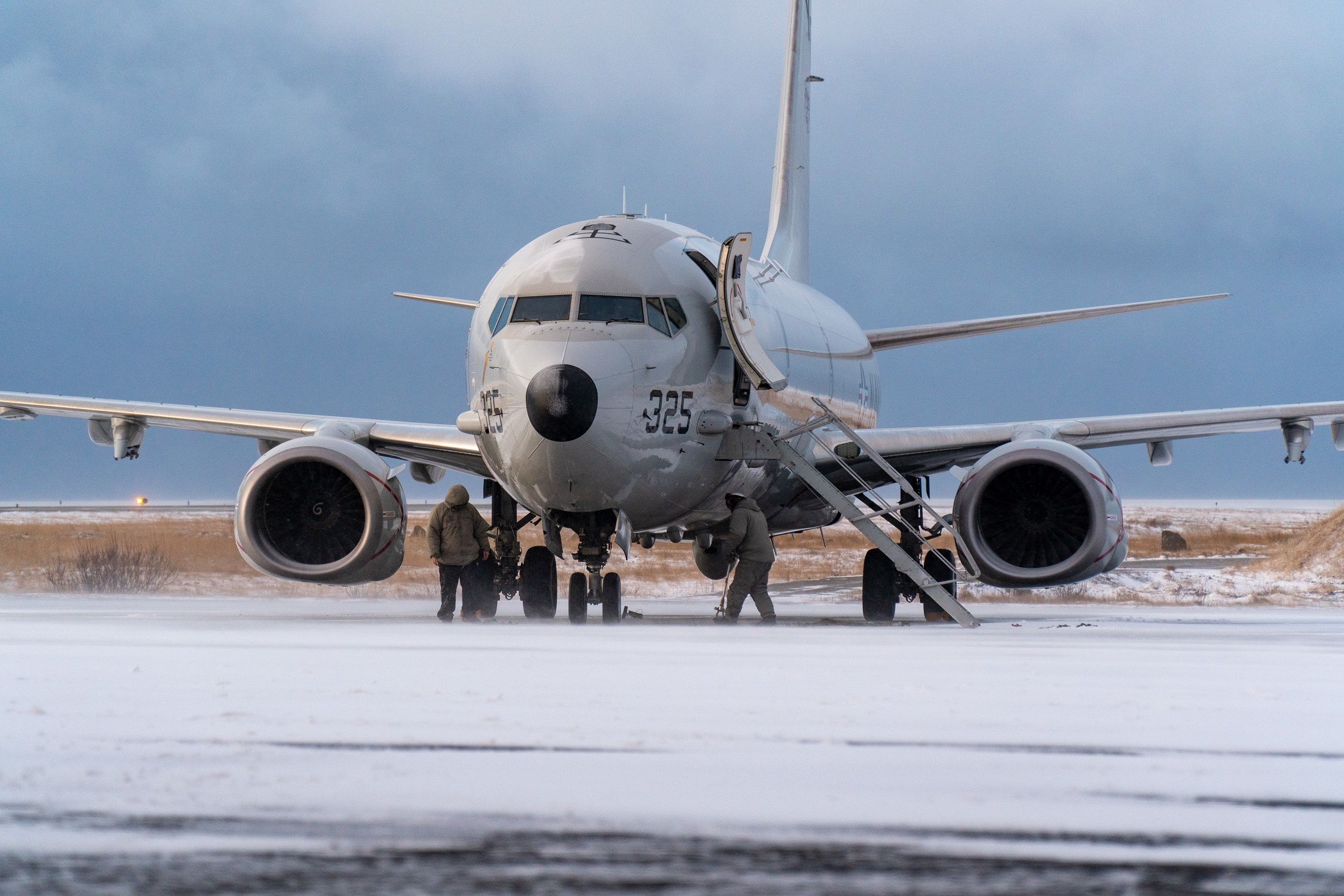
A People’s Republic of China (PRC) navy destroyer 161 shot a weapons-grade laser at a U.S. Navy P-8A Poseidon maritime patrol aircraft in a recent move that U.S. Pacific Fleet dubbed “unsafe and unprofessional” in a statement Thursday.

The incident took place on Feb. 17 in the Philippine Sea about 380 miles west of Guam while the P-8A Poseidon crew was “operating in international airspace in accordance with international rules and regulations,” according to a recent service news release.

The P-8A was operating in international airspace in accordance with international rules and regulations.

- ADVERTISEMENT - CONTINUE READING BELOW -

The laser could not be seen by a human eye but was captured by sensors on the airplane.

“Weapons-grade lasers could potentially cause serious harm to aircrew and mariners, as well as ship and aircraft systems,” Pacific Fleet said in the statement.

The P-8A is assigned to VP-45, based out of Jacksonville, Florida, and is forward-deployed to Kadena Air Force Base in Okinawa, Japan. The squadron conducts routine operations, maritime patrol and reconnaissance in the U.S. 7th Fleet area of operations.

U.S Navy aircraft routinely fly in the Philippine Sea and have done so for many years. U.S. Navy aircraft and ships will continue to fly, sail and operate anywhere international law allows.

U.S. 7th Fleet is the largest numbered fleet in the world, and with the help of 35 other maritime-nation allies and partners, the U.S. Navy has operated in the Indo-Pacific region for more than a century, providing credible, ready forces to help preserve peace and prevent conflict.

Readers who wish to follow our weekly coverage can subscribe to the Weekly Defense Roundup.

If you wish to report a grammatical or factual error in this article, please let us know by using the online form.

Executive Editor

Support The Defence Blog

Independent reporting takes resources. Join us on Patreon.

Become a patron

More Like This

U.S. Army Reserve tests Pyka’s autonomous cargo aircraft in live exercise

Pyka's autonomous cargo aircraft DropShip flew a 32 km (20-mile) resupply mission entirely without a human pilot from Gulfport to Diamondhead, Mississippi, then executed...

Mayman Aerospace CEO: autonomous drones must replace helicopters in contested battlespace

At 3 a.m. in a contested forward operating base, a patrol thirty kilometres out is taking casualties. They need blood, plasma, and ammunition, not...

U.S. Army buys more of its toughest Arctic combat vehicle

The U.S. Army awarded BAE Systems Land and Armaments a $35 million contract modification on June 30, 2026, for additional production of the general-purpose...

AEVEX wins $50M deal for GPS-resistant strike drones

AEVEX Corp. secured a $50 million contract from the United States Air Force on June 30, 2026, to continue expanding unmanned mission-support capabilities for...

U.S. Air Force spends $471M to fix tanker parts supply problem

The U.S. Air Force awarded a combined $471 million in contracts to 28 different companies on a single day, spreading the work of exchanging...