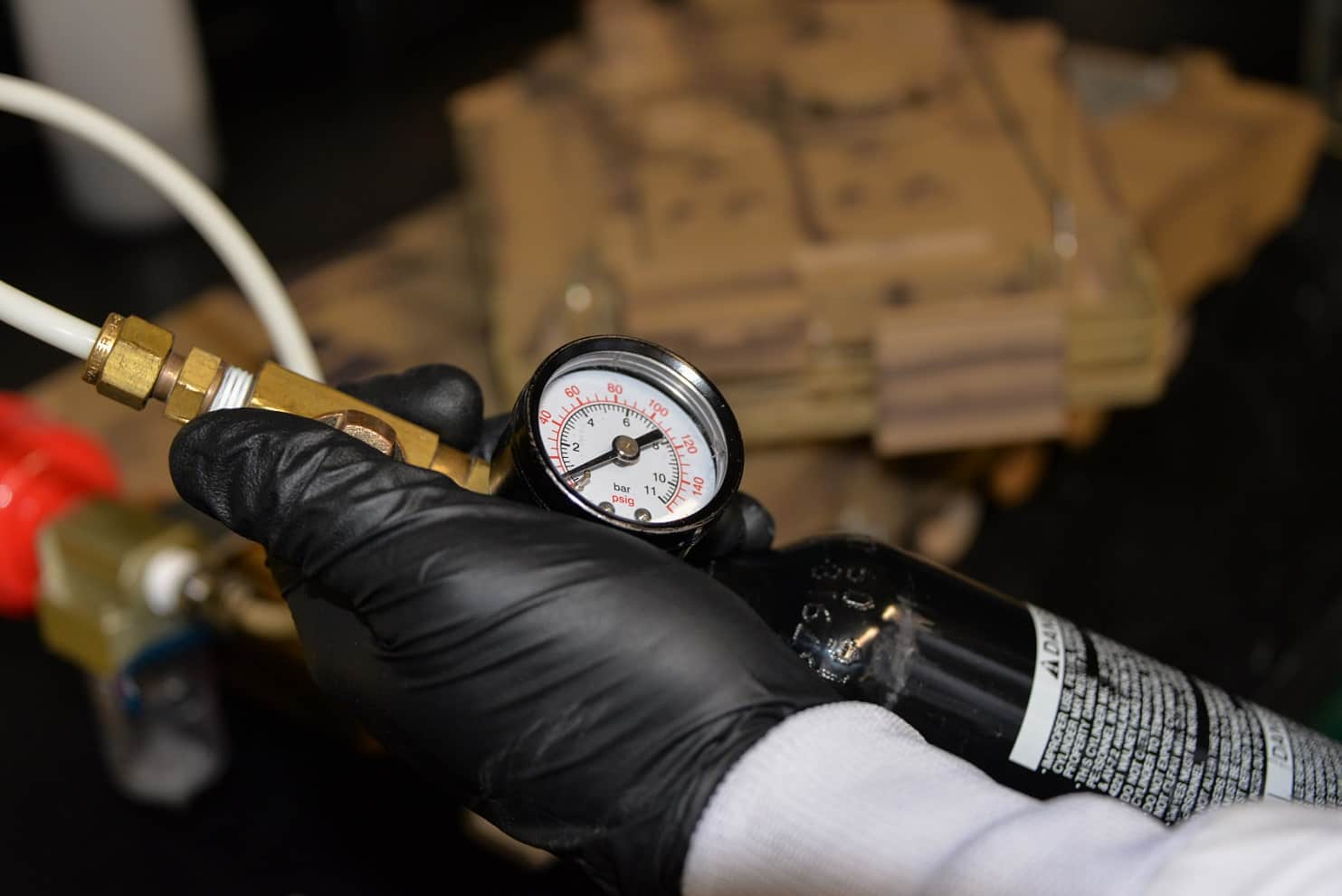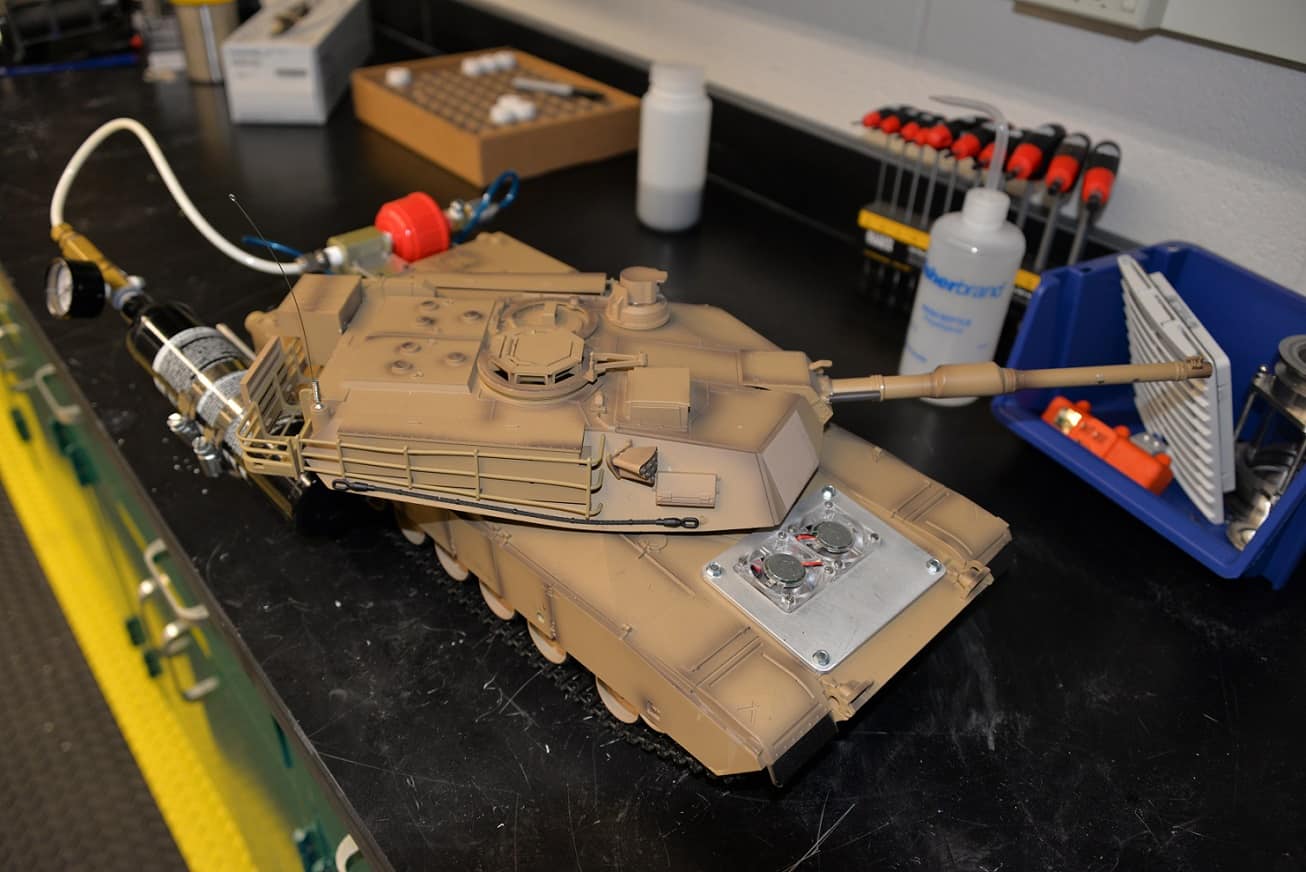
Scientists from the U.S. Army Combat Capability Development Command Ground Vehicle Systems Center (GVSC) and U.S. Army Research Laboratory continue developing new hydrogen combat vehicles, includes tanks and infantry fighting vehicle.
According to new data from the Ground Vehicle Systems Center, U.S. Army seeks to explore and evaluate fuel cell power generation technologies, including hydrogen fuel cell technology and their support equipment, that enable tactical advantages for ground vehicle systems.
Fuel cells generate electricity quietly, efficiently and without pollution. The new fuel cells are more energy-efficient than combustion engines and the hydrogen used to power them can come from a variety of sources: any water-based liquid like coffee, sports drinks or even urine. More than, existing fuels like gasoline, propane, and natural gas can also be used to extract hydrogen.
Hydrogen, the most plentiful element in the universe, has the potential to power fuel cells and provide energy to future Soldiers and their combat vehicles.
Although сutting-edge hydrogen fuel cell technologies will reduce environmental damage, they are primarily aimed at reducing oil dependency. Also, the hydrogen fuel cell technology to provide an important element of stealth: because its drive system does not produce smoke, noise, odor or thermal signature.
Army researchers with commercial companies currently developing unified hydrogen platforms for creating future tanks and infantry fighting vehicle.
The new hydrogen powerpack provides a number of advantages for future tanks among which will high torque that enables it to negotiate rough and steep terrain; silent mobility; acoustic and thermal benefits; reduction in weight of combat vehicle, common fuel from multiple sources.
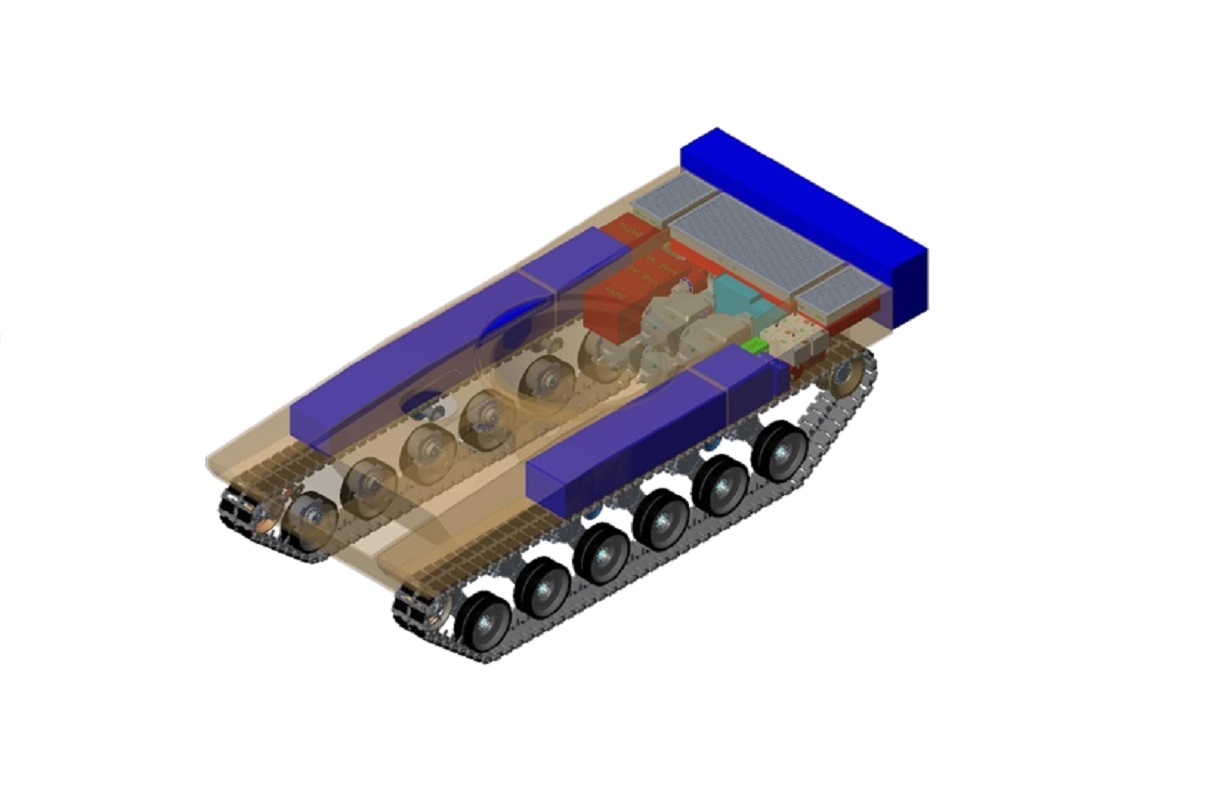
The future tanks will be equipped with a special module that generated from highly compressed hydrogen that is stored in the vehicle by an electrochemical reaction, storage batteries and electric motors.
Multiple options for hydrogen generation based on the operational scenario and available local resources offer endless opportunities for future combat vehicles.
Fuel Cells and the Hydrogen Infrastructure are significant enablers for the electrification of military ground vehicles and support equipment.