

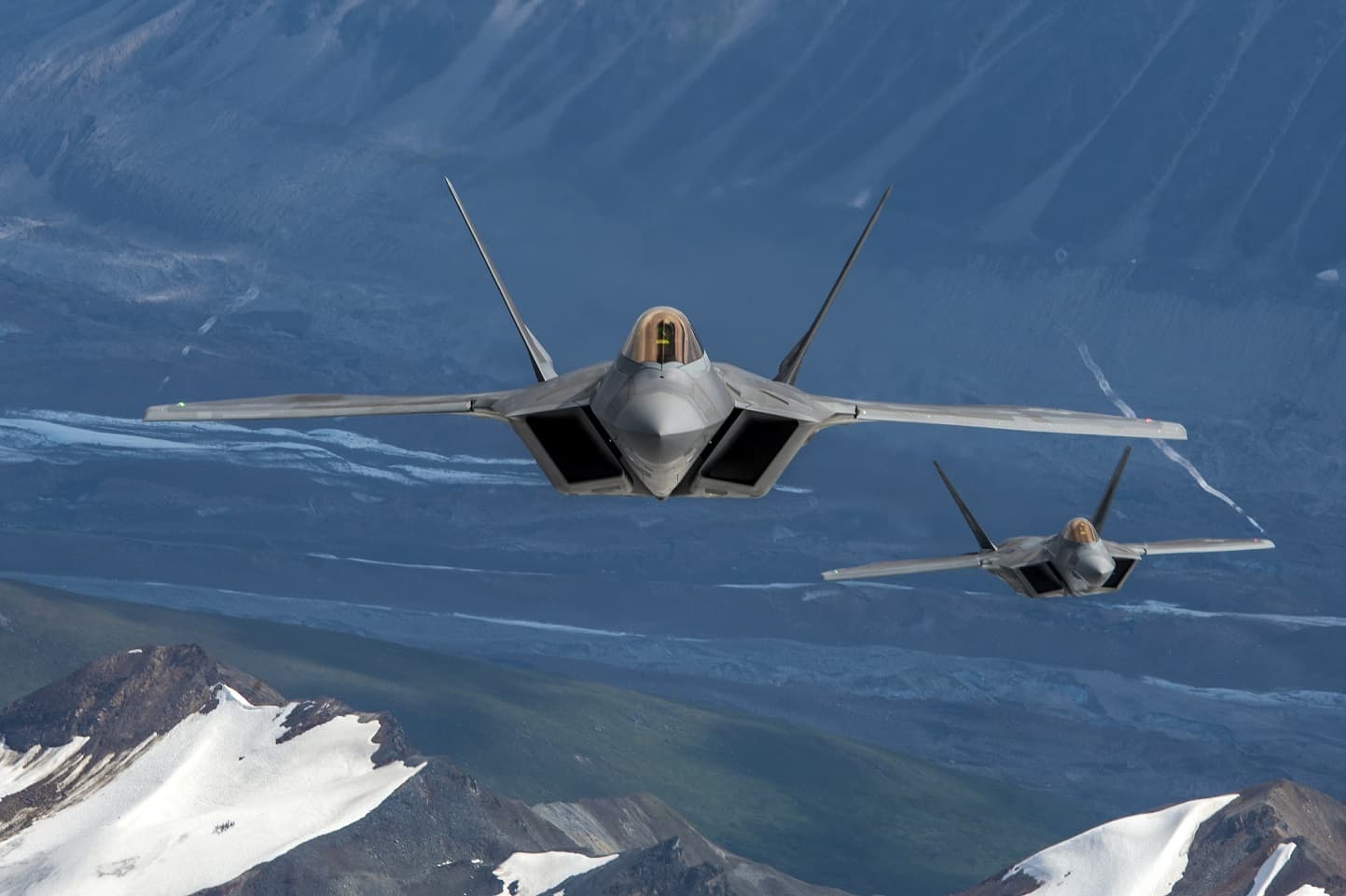
U.S. Air Force Air Force leaders have unveiled additional details of Next-Generation Air Dominance, or NGAD, program at a Mitchell Institute-sponsored panel discussion on next-generation air superiority in Arlington, Virginia.
The NGAD program will help to decide what technologies and capabilities, with the attributes necessary to prevail in the information age, it will fund to ensure America’s air dominance in the near future.
In terms of capability, the new program includes the potential for a sixth-generation fighter, but top service officials continue to stress that the result of the process will likely be a family of a systems approach.
“The U.S. military will need to continue to execute its core missions of homeland defense and nuclear deterrence,” said Air Force Maj. Gen. Michael A. Fantini, director of the Air Force Warfighting Integration Capability during the discussion, and added that “It also will need to be able to defeat a peer adversary while holding another at bay while continuing to engage in countering the violent extremist challenge.”
“We will not be able to accomplish that without the ability to continue to control the skies,” Fantini noted.
The Air Force’s next-generation air dominance program is meant to help it maintain control of the skies — and that doesn’t necessarily mean a new fighter jet, said Air Force Maj. Gen. David A. Krumm, director for Air Force Global Power Programs.
“It is not a thing. It is not a platform,” he said. “The next generation of air superiority is a network-connected family of systems that works together to get after the things we need to get after for our nation to ensure air superiority. It’s not one thing; it’s a multitude of things.”
Next-generation air dominance involves ensuring that everything can share data with everything else, across services and across domains, including air, land, sea, space and cyberspace, Krumm said. “All of that connected is what we want it to be,” he added.
And it takes into account the incredible pace of technology advancement as well, he said, noting that it will be constantly evolving and constantly changing.
The Air Force will look for capabilities that are rapidly upgradable and modular in nature, Krumm said.