

The U.S. Army has announced that three engineers from the Combat Capabilities Development Command Aviation & Missile Center’s Aviation Development Directorate have received accolades from the international technical society for the advancement of vertical flight.
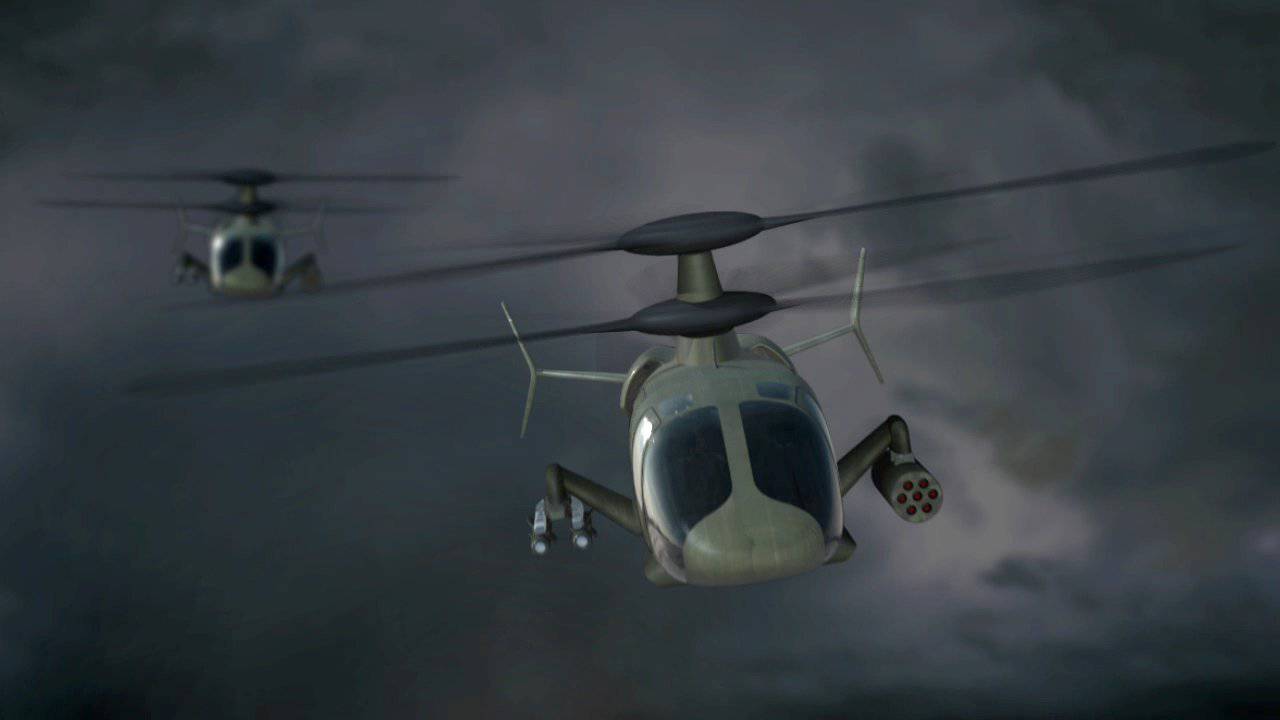
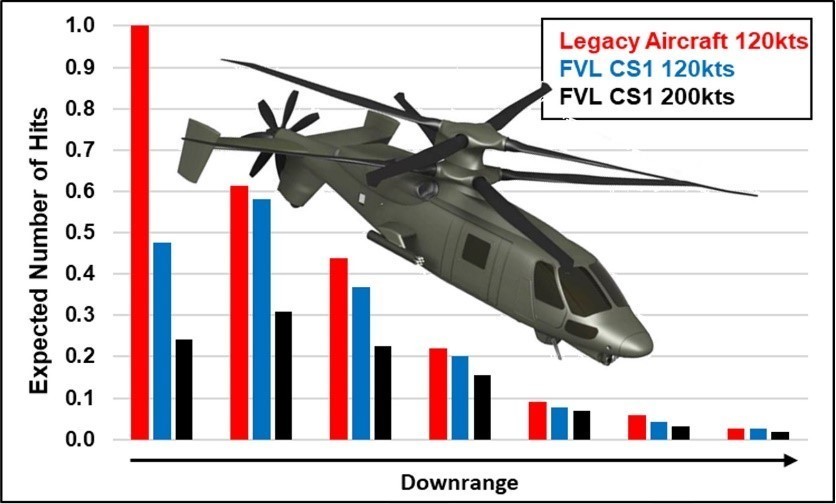
Dan Camp, Jay Kiser, and Dr. Mark Robeson, all part of CCDC AvMC ADD-Eustis, were recognized as coauthors of “Speed and Maneuverability Benefits of Sikorsky’s X2 Technology versus Air-Defense Artillery”, which was cited as the best paper of the Vertical Flight Society annual forum’s operations session.
The awards stemmed from the VFS 75th Annual Forum & Technology Display, which took place May 13-16 in Philadelphia. The VFS is the world’s oldest and largest technical society dedicated to enhancing the understanding of vertical flight technology. Originally known as the American Helicopter Society it is a nonprofit charitable education and technical organization.
The technical paper covers survivability trade study results from phase one of the CCDC AvMC ADD/Sikorsky Aircraft and Aircrew Protection program. The two-phase program integrates structures, vulnerability reduction, and susceptibility reduction technologies into a Future Vertical Lift representative platform and will culminate in a technology demonstration that shows effective total survivability without loss of performance.
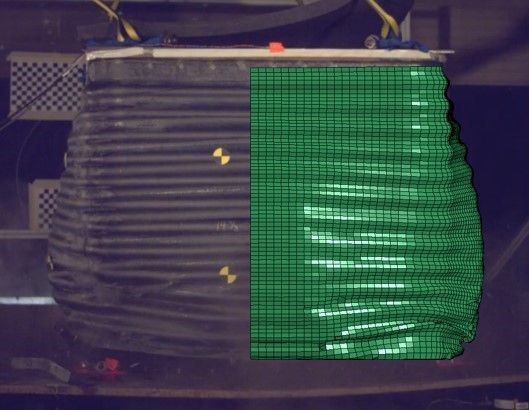
Robeson was also recognized as a coauthor of “Hydrodynamic Ram Compliant and Self-Sealing Fuel Cell Structures” which was named the best paper of the forum’s crash safety session. This technical paper covers results from two CCDC AvMC ADD/Boeing programs, Hydrodynamic Ram Compliant Structure and Nitrogen Inerted Sealing Structure. HRCS developed and matured durable structural concepts to efficiently mitigate the effects of hydrodynamic ram effects on rotorcraft structures due to ballistic and crash events and used the Army’s Apache helicopter center fuselage/fuel tank structural architecture as representative structure. NISS developed and matured multifunctional structural fuel cell system capability that provides sealing, fire suppression, and mitigation of hydrodynamic ram effects due to ballistic and crash events through the use of the innovative, durable, damage-tolerant HRCS sandwich core structural concept.
Camp and Kiser are project engineers in CCDC AvMC ADD’s structures and survivability technical areas, respectively, while Robeson is ADD’s structures technical area lead; all are located at Joint Base Langley-Eustis, Virginia.
According to the current information the CCDC Aviation & Missile Center, formerly known as the Aviation & Missile Research, Development and Engineering Center (AMRDEC), is part of the U.S. Army Combat Capabilities Development Command, which conducts responsive research, development and life cycle engineering to deliver the aviation and missile capabilities the Army depends on to ensure victory on the battlefield today and tomorrow.
Through collaboration across the command’s core technical competencies, CCDC leads in the discovery, development and delivery of the technology-based capabilities required to make Soldiers more lethal to win our nation’s wars and come home safely. CCDC is a major subordinate command of the U.S. Army Futures Command.