

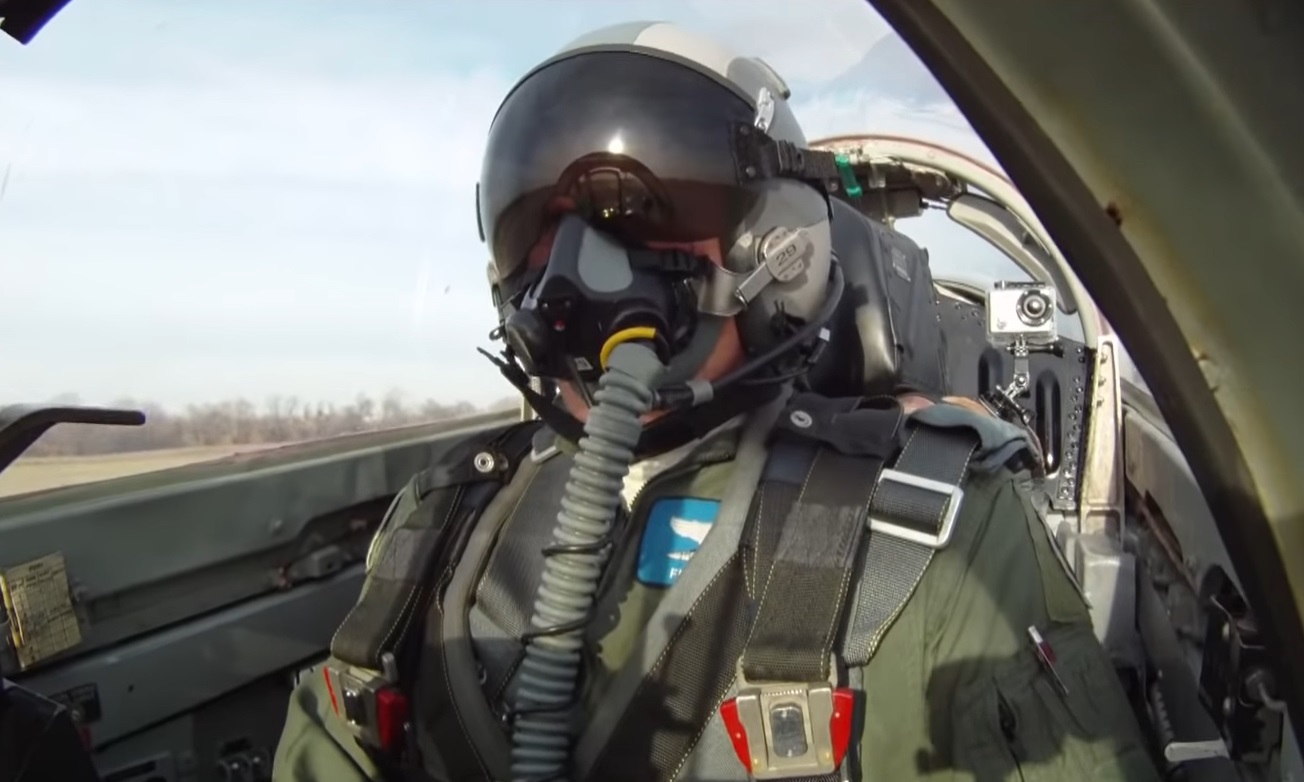
U.S. military support to Ukraine has come under scrutiny amid a political controversy surrounding the Trump administration and concerns tied to the 2020 election.
Approximately five years earlier, the California Air National Guard supplied a batch of newly issued fighter pilot helmets, including oxygen masks and related support equipment, to the Ukrainian Air Force.
Details were outlined in a December 18, 2015, Ministry of Defence of Ukraine media release, which announced that an official handover ceremony took place at a military airfield at Boryspil Airport. The equipment was transferred by representatives of the U.S. Air National Guard.
“The U.S. delegation is led by U.S. National Guard Maj. Gen. David Baldwin,” the statement said.
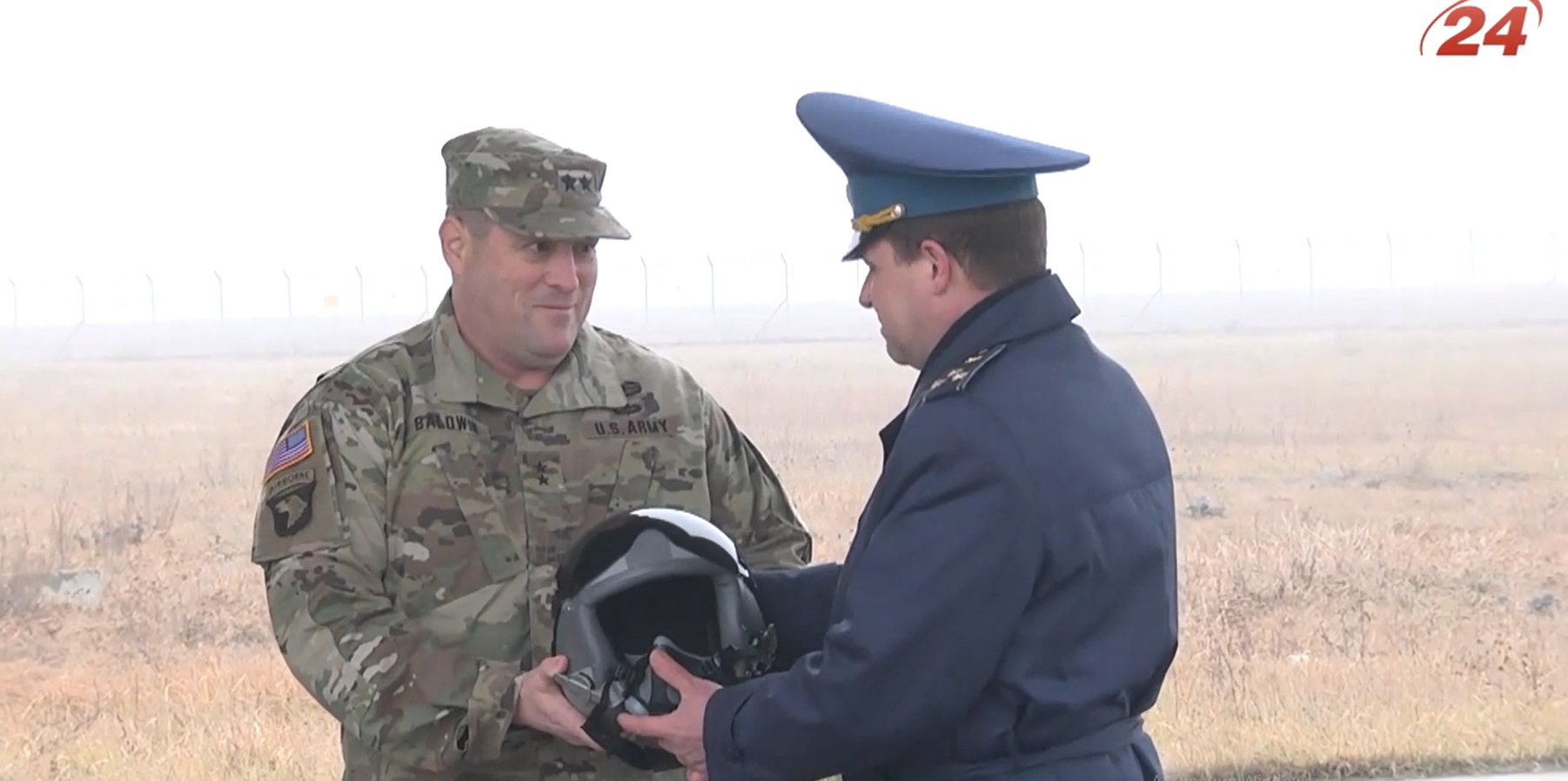
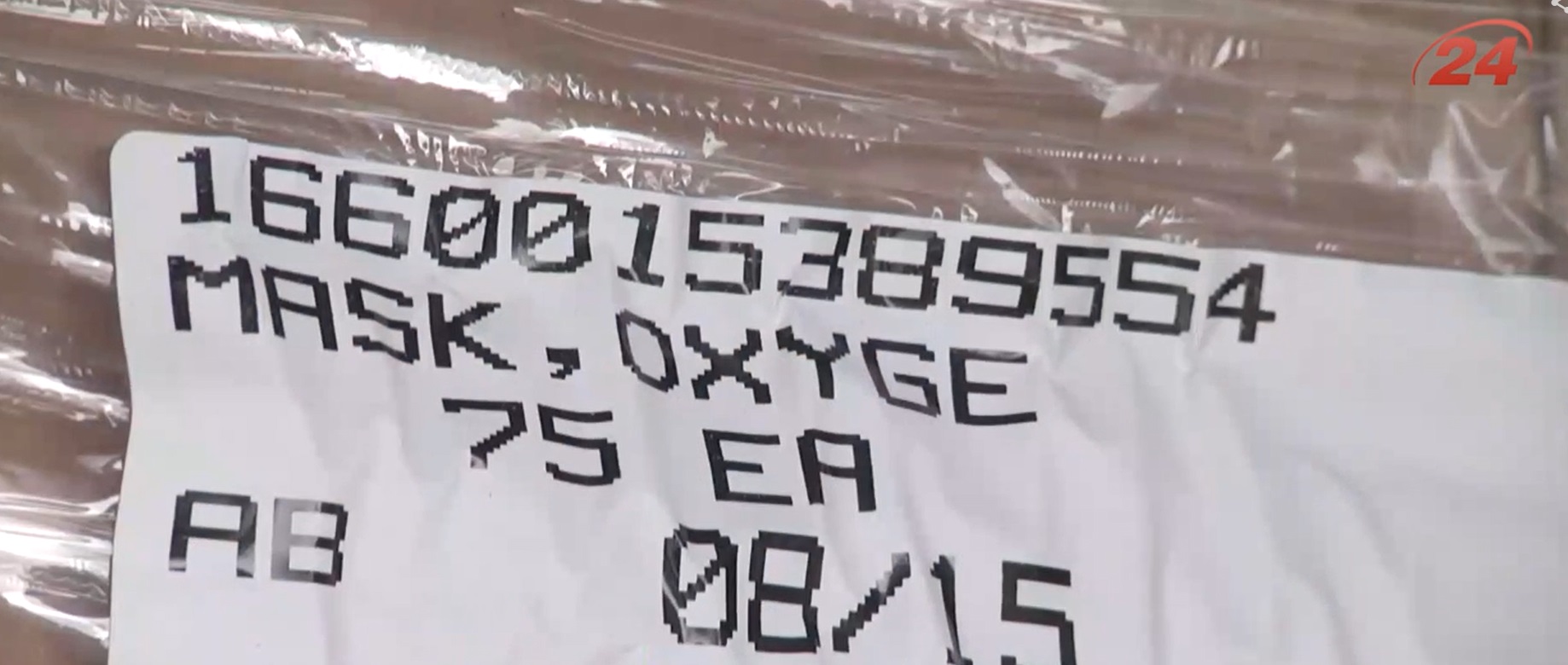
The statement did not specify the exact type of helmets provided but noted that the Ukrainian Air Force would receive two batches totaling 200 helmets and masks intended to replace aging Soviet-era systems.
The delivery was expected to provide a practical upgrade for Ukrainian fighter pilots operating MiG-29 and Su-27 aircraft, as well as L-39 jet trainers. The U.S.-made helmets were intended to replace legacy Soviet systems.
Since the collapse of the Soviet Union, the Ukrainian Air Force has faced a persistent shortage of modern pilot life-support equipment, including oxygen masks and helmets. Many units have continued to rely on systems developed in the 1960s and 1980s.
The situation is particularly acute in training aviation brigades, where outdated equipment such as the ZSh-3 helmet, ShL-82 leather flight headset, and KM-32 oxygen mask remains in use. This is especially concerning given the growing number of cadets entering flight training each year.

The continued use of outdated systems poses risks to pilot health and flight safety. U.S. partners proposed transferring compatible helmets and masks that could be integrated with Soviet-era aircraft using a relatively low-cost adapter (approximately $60). Similar systems are also used by private pilots in the United States and Europe operating demilitarized aircraft acquired from countries such as Poland, Germany, and Ukraine.
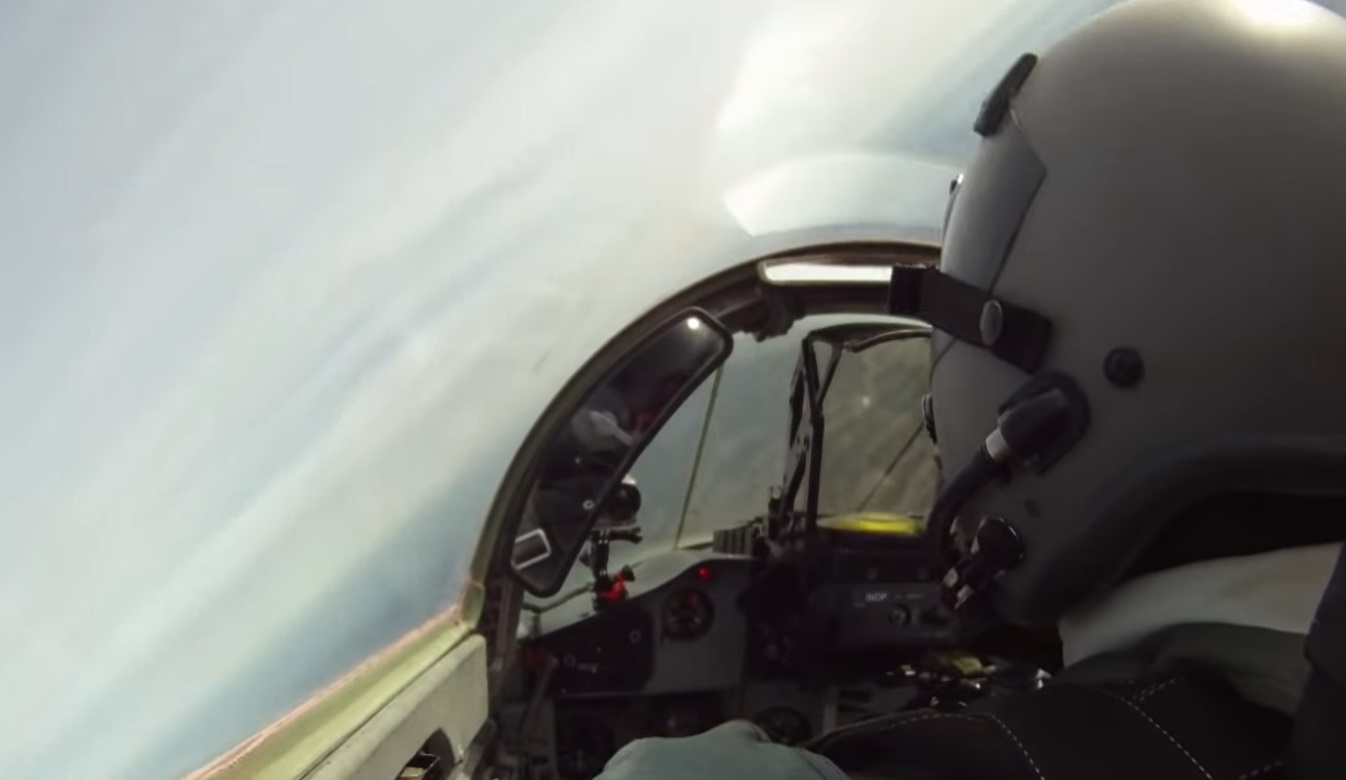
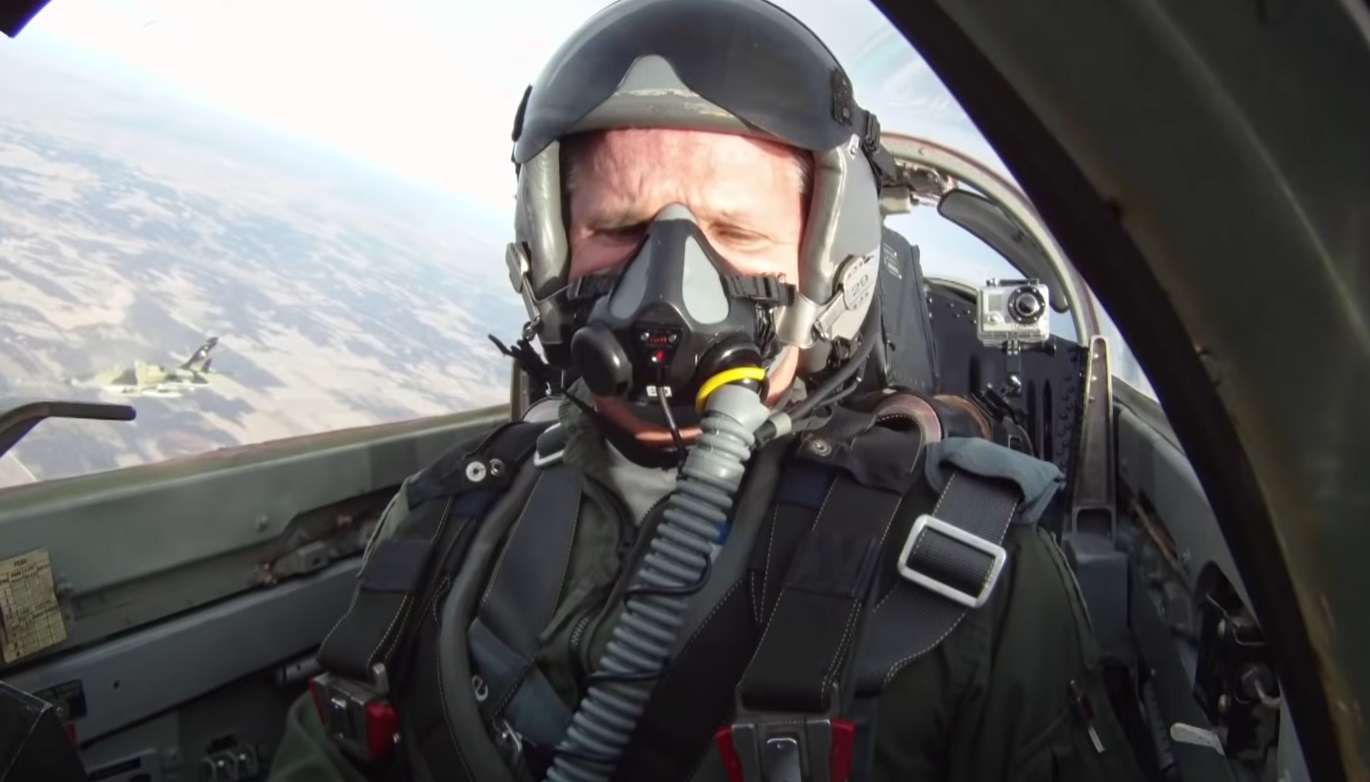
Despite this, the U.S.-supplied helmets remain unused in Ukraine and are reportedly stored at Chuhuiv Air Base. Ukrainian officials initially indicated that the American systems would be adopted due to their improved ergonomics and usability compared to Soviet designs. However, by mid-2016, authorities determined that the equipment did not comply with national military standards and could not be used by active-duty pilots.
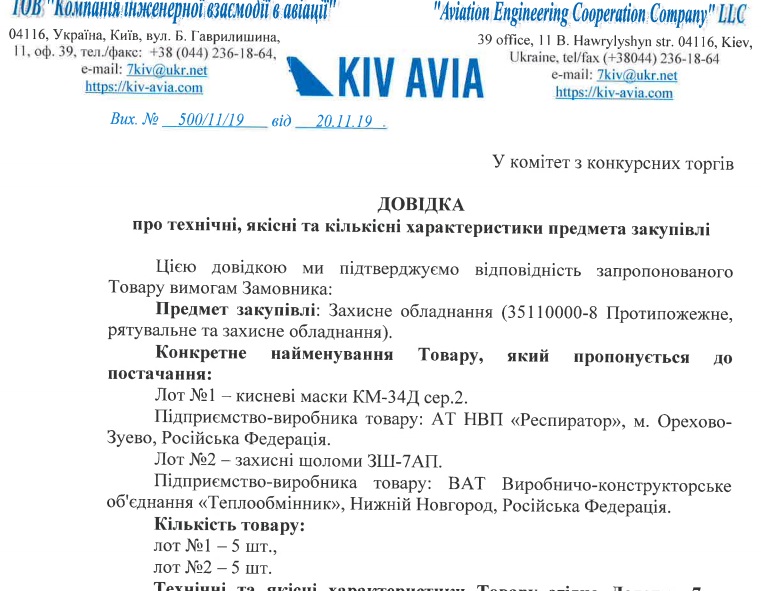
At the same time, MilitaryAviation.in.UA reported that in 2019 the Ukrainian Air Force attempted to sign two contracts (No. 244/19 and No. 245/19) for the procurement of ZSh-7AP helmets manufactured by OJSC PKO Teploobmennik (Nizhny Novgorod, Russia) and KD-34D series oxygen masks produced by AO NPP Respirator (Orekhovo-Zuevo, Russia).
These decisions raised questions about the effectiveness and direction of U.S. military assistance.
The United States increased its military support to Ukraine in 2014 following Russia’s annexation of Crimea and the outbreak of conflict in eastern Ukraine.
Most of the funding has been directed toward equipment such as sniper rifles, rocket-propelled grenade launchers, counter-battery radars, command and control and communications systems, night vision devices, medical supplies, as well as training and logistical support.