

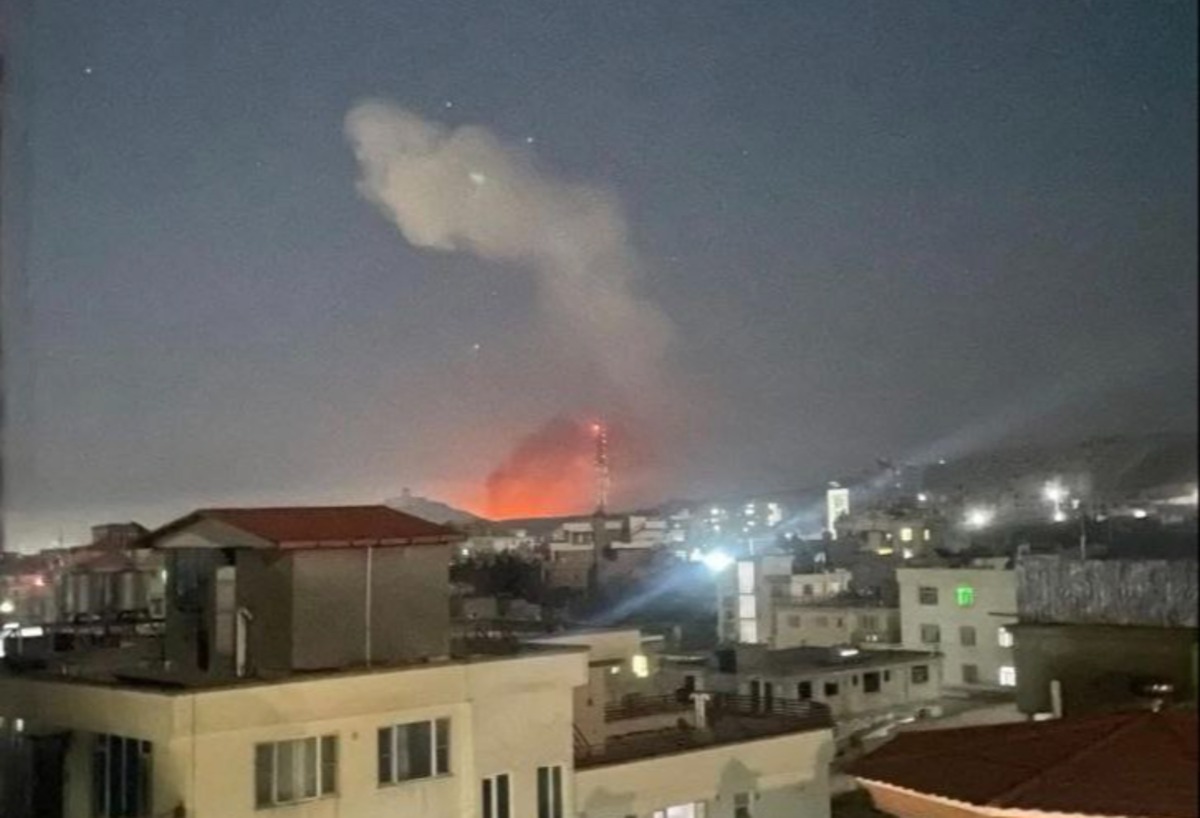
- Pakistan conducted airstrikes in Kabul following escalating border clashes with Taliban-controlled Afghanistan and declared the conflict an open war.
- Fighting expanded across multiple Afghan border provinces as both Pakistan and Taliban authorities announced offensive military operations against each other.
The Pakistani Air Force carried out airstrikes in Afghanistan’s capital, Kabul, following escalating clashes along the Pakistan–Afghanistan border, as fighting between Pakistani forces and Taliban-controlled Afghan authorities intensified in late February 2026, according to official statements and regional reporting.
The strikes followed several days of armed confrontations along the frontier and came after Pakistan publicly declared what its defense leadership described as an “open war” with Afghanistan’s Taliban government, signaling a rapid escalation from localized border incidents into broader military operations.
The latest escalation began on February 24, when armed clashes erupted between Pakistani and Afghan border guards along the frontier. Both sides accused each other of provocations, and fighting broke out before the situation temporarily stabilized. However, renewed armed confrontations were reported on February 26 across disputed border areas, indicating that tensions had not subsided.
Pakistan’s Defense Minister Khawaja Asif later announced a shift in Islamabad’s posture in a statement posted on social media platform X, declaring that the conflict had entered a new phase. In remarks, Asif stated: “Now we will wage an open war against you. Now this will be a bloody war.”
In a longer statement, he accused Afghanistan’s Taliban leadership of harboring international militants and destabilizing the region. According to the text of his remarks, he said Taliban authorities had gathered “terrorists from all over the world” and had begun exporting terrorism beyond Afghanistan’s borders.

He further stated: “Our patience has reached its limit. Now this is an open confrontation. Now decisive actions will be taken. The Pakistan Army did not come from across the ocean — we are your neighbors, and we know your reality well.”
Pakistani military operations expanded shortly afterward, with strikes reported not only along the border but also deeper inside Afghan territory, including targets in Kabul. Afghan and Pakistani authorities each announced the start of offensive operations against opposing positions.
Fighting has been reported across at least six Afghan provinces bordering Pakistan: Nangarhar, Nuristan, Kunar, Khost, Paktia, and Paktika, according to regional media coverage. The areas have historically served as contested zones due to militant movement and disputed interpretations of the international boundary.
Afghan media outlets also reported that a Pakistani aircraft had been shot down during the fighting, though no visual evidence or independent confirmation has been publicly released at the time of reporting.
According to official Pakistani statements, the military campaign aims to respond to cross-border threats and attacks originating from Afghan territory. Islamabad has long accused militant groups operating from Afghanistan of targeting Pakistani security forces and infrastructure.
Airstrikes conducted by the Pakistani Air Force represent an escalation beyond previous cross-border artillery exchanges and localized engagements. Airpower allows rapid targeting of suspected militant infrastructure and command nodes, extending operational reach beyond immediate border zones.
Airstrikes enable Pakistan to strike fixed or time-sensitive targets while limiting ground force exposure. Operations involving combat aircraft typically rely on intelligence-driven targeting and short-duration strike missions designed to disrupt opposing forces or signal deterrence.
The confrontation reflects mounting strain between Pakistan and Taliban authorities since the withdrawal of NATO forces from Afghanistan. Islamabad had previously expected improved border stability following the Taliban’s return to power but has repeatedly accused Afghan-based groups of conducting attacks inside Pakistan.
Background tensions have periodically resulted in cross-border shelling and limited strikes, but reported air operations against Kabul represent a broader expansion of military activity compared with earlier incidents concentrated near frontier regions.
Both Kabul and Islamabad have now publicly acknowledged offensive military actions against one another’s positions, indicating a shift from isolated clashes toward coordinated operations across multiple provinces.