

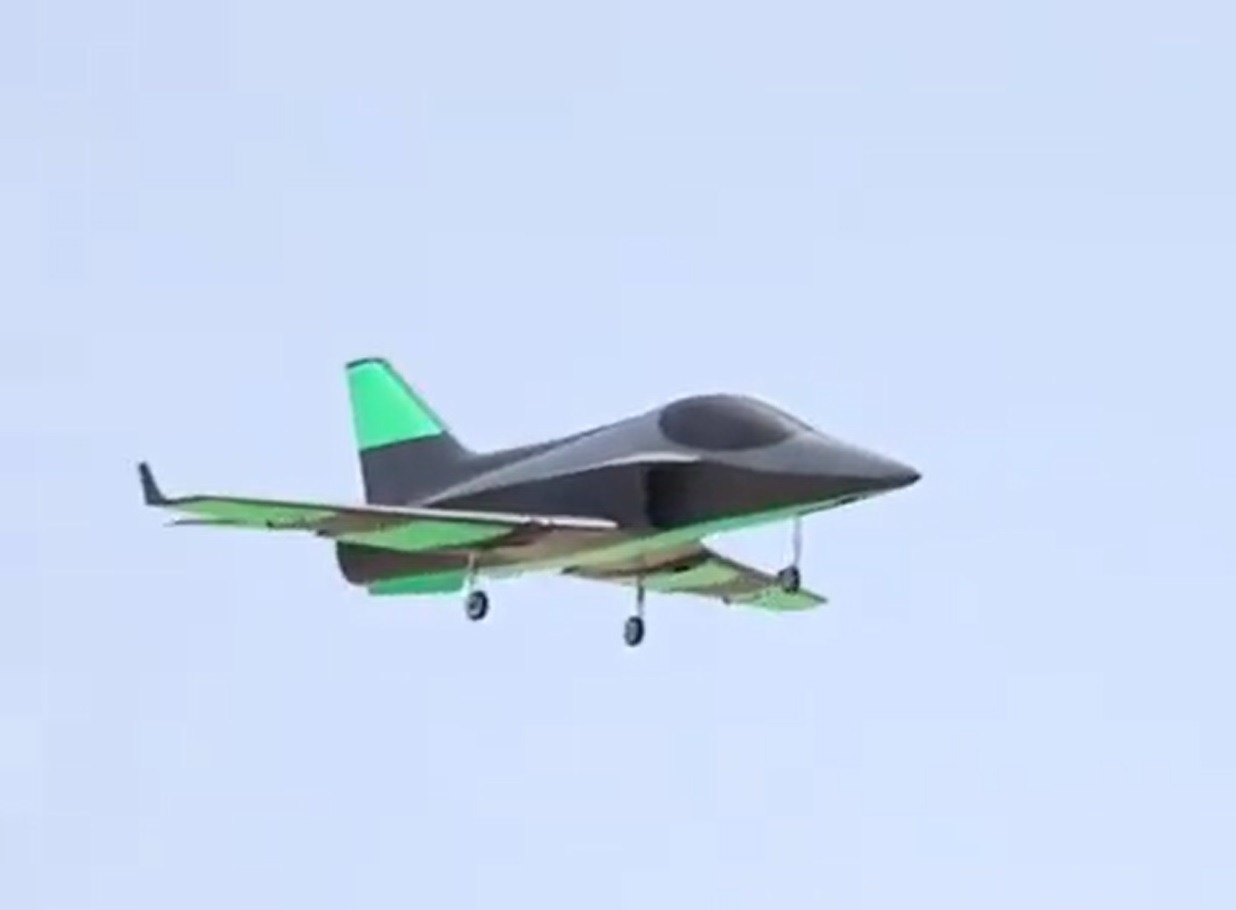
Boeing is progressing with the continued development of a new unmanned aircraft program in preparation for the first flight of the Royal Australian Air Force’s (RAAF) Loyal Wingman prototype in 2020.
“We successfully achieved first autonomous teamed flights using high-performance jets as test beds and Australian-developed mission systems technology,” the Boeing Australia announced on its Twitter account.
The Boeing team is using its world-class Systems Analysis Laboratory based in Brisbane, Australia, to simulate and model critical mission capabilities and the aircraft product lifecycle.
Boeing has fielded a team of 15 autonomous test bed aircraft to refine autonomous control algorithms, data fusion, object detection systems, and collision avoidance behaviours.
The combined lab and field tests are important steps in meeting the goals of the Loyal Wingman – Advanced Development Program.
The program will result in a prototype aircraft that will test the potential of this cutting-edge technology. It is designed to protect and extend airpower by teaming multiple unmanned platforms with manned assets to achieve a range of missions.
The new aircraft that developing under the Loyal Wingman program will complement and extend airborne missions through smart teaming with existing military aircraft.
Digital engineering has enabled Boeing to develop, simulate and test mission system behaviours that ultimately will increase customer capabilities – such as situational awareness and ISR. The team is working closely with the RAAF to refine the manned-unmanned teaming solution to address specific operational needs, and ensure manned pilots can trust and easily understand the unmanned systems flying with them.
The U.S. manufacturer hopes to sell the multi-role, unmanned aircraft, which is 38 feet long (11.6 meters) and has a 2,000 nautical mile (3,704 kilometer) range, to customers around the world, modifying it as requested, according to CNBC.com.
Its first flight is expected in 2020, with Boeing and the Australian government producing a concept demonstrator to pave the way for full production.
We successfully achieved our first autonomous teamed flights using high-performance jets as test beds and Australian-developed mission systems technology. #AirpowerTeaming pic.twitter.com/5xfDmVI3f2
— Boeing Australia (@BoeingAustralia) November 18, 2019
