

- DEUTZ AG agreed on July 9, 2026 to acquire FFG Flensburger Fahrzeugbau for €1.6 billion in cash and shares.
- FFG's owner families will hold up to 29.9% of DEUTZ, with the deal expected to close by early 2027 pending shareholder and regulatory approval.
Germany’s DEUTZ AG, a 160-year-old engine manufacturer better known for building diesel motors than battle tanks, agreed on July 9 to buy FFG Flensburger Fahrzeugbau, one of Europe’s leading makers of armored vehicles, for €1.6 billion (roughly $1.83 billion).
The deal marks the largest acquisition in the Cologne company’s history and signals a decisive break from its industrial past, transforming an engine maker into a full systems supplier for European militaries almost overnight.
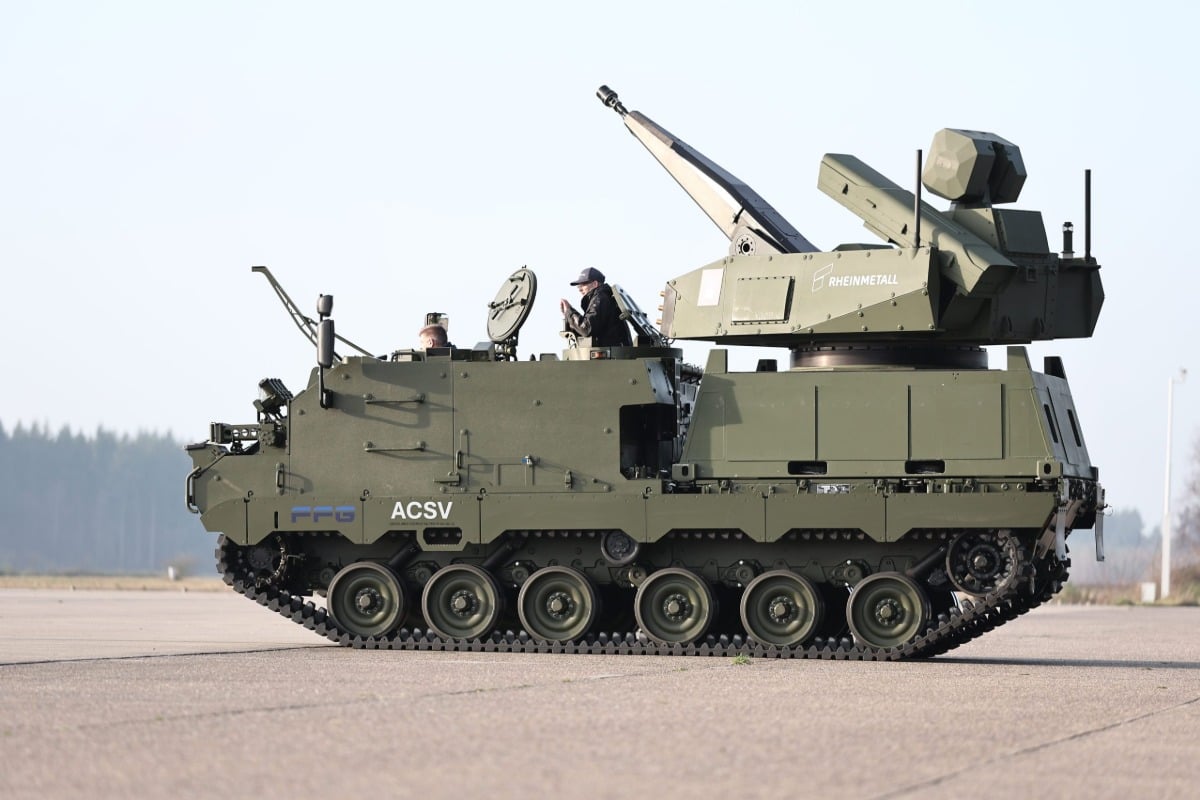
FFG, based in the northern German city of Flensburg near the Danish border, builds and overhauls wheeled and tracked military vehicles for the Bundeswehr and for NATO partners, including Ukraine. The company’s catalog includes the WiSENT armored recovery vehicle, which tows and repairs disabled tanks under fire and has been supplied to Ukrainian forces, and the ACSV G5 combat-support vehicle developed for the Norwegian military. FFG also maintains and modernizes older platforms still in active service across Europe, including the Wiesel light armored vehicle and the Leopard 2 main battle tank, work that keeps decades-old fleets combat-capable without the years-long wait for entirely new hardware.
DEUTZ will pay for the acquisition with roughly €1.0 billion ($1.14 billion) in cash, financed through a consortium of international banks, and about €0.6 billion ($685 million) in newly issued DEUTZ shares. That share component is the structural heart of the deal. FFG’s private owner families will receive stock representing up to 29.9% of the combined company, a stake that puts them just below the threshold at which German takeover law would force them to bid for the entire company, and positions them as long-term anchor investors rather than a family simply cashing out. The families are also seeking two seats on DEUTZ’s supervisory board once the transaction closes.
“Technological sovereignty, innovative capability, speed of execution: Joining forces with FFG, DEUTZ will become a leading national systems provider for military vehicles, propulsion systems, and energy solutions. Together, we will fulfill our responsibilities for security and future resilience in Europe, while securing value creation and high-quality jobs in Germany,” said DEUTZ CEO Dr. Sebastian Schulte.
FFG brings vehicle platforms, armor expertise, and decades of relationships with defense ministries. DEUTZ contributes a propulsion portfolio that spans conventional combustion engines, hybrid drivetrains, and decentralized power systems for use in the field, along with a global service network and manufacturing know-how built up over a century and a half of scaling industrial engines. FFG will operate as the new core of a dedicated DEUTZ Defense business unit, staying operationally independent while DEUTZ provides the financial and strategic backing to grow it.
“With this strategic combination with DEUTZ, we are setting the course for the next generations. At the same time, it will create a German industrial group in the defense sector that combines the strengths of the two companies and provides impetus for their shared long-term development,” said Norbert Erichsen, spokesman for FFG’s shareholder families.
Germany has moved to sharply increase military spending and rebuild domestic production capacity following years of reliance on aging Cold War-era stockpiles, and Berlin has repeatedly stressed the strategic value of keeping weapons manufacturing inside national borders rather than dependent on foreign suppliers. Defense programs typically run for ten to 30 years once a platform enters service, which means a single acquisition like this one can lock in manufacturing jobs and supply chains for a generation, a point both companies emphasized in announcing the deal. FFG’s more than 1,100 employees will join a DEUTZ workforce of roughly 6,000, and the order backlog FFG currently holds runs several times higher than its annual revenue, according to the companies.
The company generated approximately €760 million ($868 million) in 2025 revenue under German commercial reporting standards, and DEUTZ expects the acquisition to push its own 2030 strategic targets, €4 billion ($4.57 billion) in annual revenue and a 10% operating margin, within reach ahead of schedule. DEUTZ has flagged significant revenue synergies in its existing Engines and Service divisions as FFG’s vehicle programs create demand for propulsion systems and maintenance contracts, along with further cost savings as the two companies combine back-office and manufacturing functions.
DEUTZ shares jumped by roughly 6% in early trading the morning the deal was announced, according to Handelsblatt, a sign investors view the shift into defense as a credible growth path rather than a distraction from the company’s engine business.
The acquisition folds into what DEUTZ calls its Next DEUTZ strategy, a transformation from a single-product engine manufacturer into a diversified industrial group built around four other business units: Energy, Engines, New Tech, and Service. Defense now becomes a fifth pillar, with FFG serving as its foundation. The move follows a pattern playing out across German industry this year, as manufacturers with adjacent technical capabilities look to defense contracts as a source of stable, long-cycle revenue at a moment when European governments are committing to sustained increases in military budgets.
The deal still needs approval from DEUTZ shareholders at an extraordinary general meeting scheduled as a virtual event on August 24, 2026, along with clearance from antitrust regulators. If both hurdles clear, DEUTZ expects to complete the acquisition by the end of 2026 or in the first quarter of 2027. Until then, FFG continues operating independently, delivering and maintaining vehicles for the Bundeswehr and allied forces while the corporate paperwork works its way through Cologne and Flensburg.