

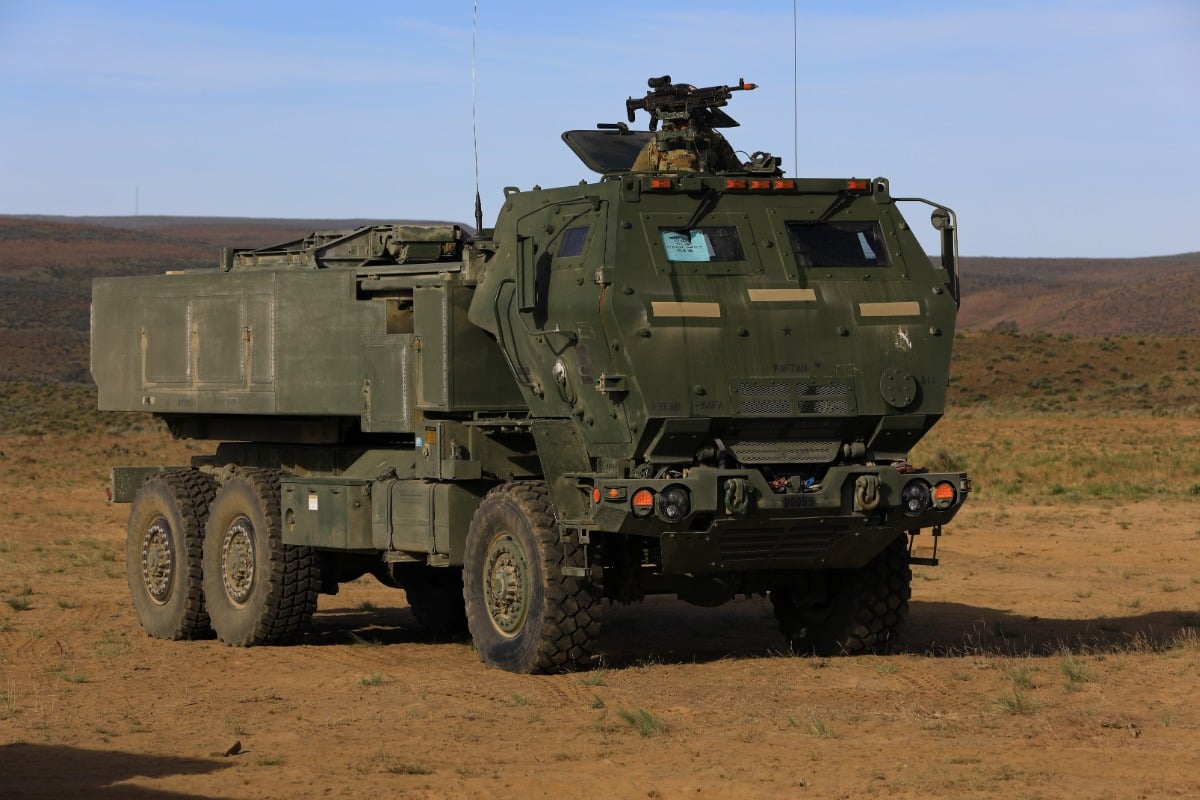
- The U.S. State Department notified Congress on June 15, 2026, of a possible $73 million Foreign Military Sale to Singapore covering 18 HIMARS Common Fire Control System upgrade kits.
- Lockheed Martin of Dallas, Texas is the principal contractor; the sale includes spare parts, training, and logistics support in addition to the 18 upgrade kits.
Singapore has requested, and the U.S. has approved, a possible $73 million Foreign Military Sale package covering fire control system upgrades for the city-state’s fleet of HIMARS rocket artillery, a move that will significantly enhance one of Southeast Asia’s most capable ground-based precision strike systems and deepen the military technology relationship between Washington and one of its most strategically important partners in the Asia-Pacific region.
The U.S. State Department approved a possible Foreign Military Sale to Singapore, and DSCA, the Defense Security Cooperation Agency, the U.S. government body responsible for managing arms transfers to foreign governments, delivered the required certification notifying Congress on June 15, 2026, covering 18 Common Fire Control System upgrade kits for the M142 High Mobility Artillery Rocket System, with Lockheed Martin in Grand Prairie, Texas, named as the principal contractor.
The M142 HIMARS, which stands for High Mobility Artillery Rocket System, is a wheeled precision rocket artillery platform that has become one of the most strategically significant ground weapons of the past decade, capable of firing GPS-guided rockets and missiles with an accuracy measured in meters rather than the hundreds of meters that conventional unguided artillery achieves, at ranges extending from approximately 70 km (43 miles) for standard rockets to over 300 km (186 miles) for the Army Tactical Missile System munition. Ukraine’s use of HIMARS beginning in the summer of 2022 demonstrated in real combat conditions what defense analysts had long argued in theory: that a small number of highly mobile precision artillery systems, capable of striking targets at ranges beyond the reach of enemy counter-battery fire and then relocating before the enemy can respond, can reshape the tactical and operational balance of a conflict far out of proportion to their numbers. Singapore received its HIMARS systems as part of an earlier procurement and has been integrating them into a defense force that places exceptional emphasis on technology and precision given the city-state’s limited size and manpower.
The Common Fire Control System is a fire-control architecture for HIMARS and M270 MLRS, the heavier tracked version of the same rocket artillery family; L3Harris describes its CFCS components as including the Common Launcher Control Unit, which provides the processor and interface that controls the launcher’s electrical and hydraulic motors and orients the rocket pod toward the target, the Weapon Control Unit, which handles data processing, power control, and the interfaces that communicate with the weapons themselves, and the Power Switching Unit, which routes and monitors the high electrical currents that weapons systems require for reliable launch operations, while the Singapore FMS lists Lockheed Martin as the principal contractor. L3Harris states it has been supplying fire control systems to HIMARS and MLRS since the early 1990s, giving the company more than three decades of continuous involvement in this specific system’s electronics.
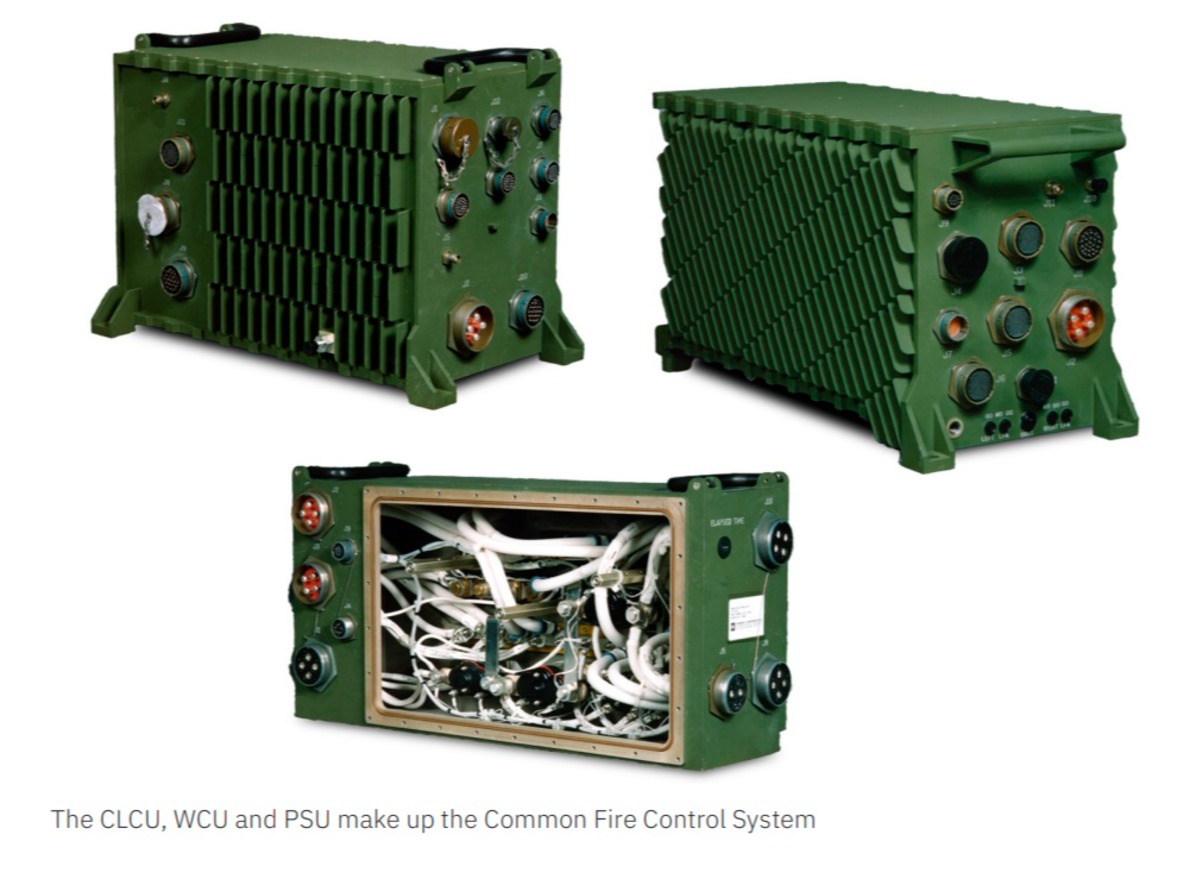
The upgrade kits Singapore has requested represent a modernized generation of this fire control architecture, with L3Harris noting that the units have been upgraded for more rapid production and enhanced digital processing power compared to earlier configurations, which matters operationally because faster processing could shorten the fire-mission timeline, from receiving targeting data to launch, a compression that has become increasingly important as adversaries develop countermeasures designed to intercept precision munitions or relocate targets before a strike arrives. The notification documents the full scope of what Singapore is acquiring beyond the 18 upgrade kits themselves, including support equipment, technical documentation, spare parts, training, and ongoing engineering and logistics support services, all of which are essential components of maintaining a sophisticated electronic system in operational condition over the years and decades of its service life.
The U.S. State Department’s notification describes Singapore as “an important force for political stability and economic progress in Asia” and states that the proposed sale serves American foreign policy and national security objectives by improving the security of a strategic partner, standard diplomatic language for a Foreign Military Sale notification but reflecting a relationship that has genuine strategic depth. Singapore hosts rotational deployments of U.S. Navy and Air Force assets, provides access to Changi Naval Base and Paya Lebar Air Base, and has maintained a consistent pattern of high-technology defense cooperation with the United States across multiple administrations and across decades of shifting regional dynamics. The State Department’s assessment that the sale “will not alter the basic military balance in the region” reflects the standard interagency review conclusion for sales to established partners, distinguishing this transaction from sales that might trigger regional concerns about destabilizing shifts in capability.
The broader demand signal that Singapore’s request represents is consistent with a pattern of HIMARS-related procurement that has accelerated sharply since 2022, with countries across Europe, the Middle East, and Asia-Pacific either acquiring HIMARS for the first time or, as in Singapore’s case, upgrading existing systems to extend their capability and service life. Romania, Poland, Lithuania, Latvia, Estonia, Morocco, Qatar, Saudi Arabia, and Taiwan are among the countries that have received or are in various stages of acquiring HIMARS, making it one of the most widely proliferated precision rocket systems in the world and creating a significant and growing global installed base for which fire control upgrades like the one Singapore has requested represent an ongoing and recurring procurement requirement.