

- Object 4 (NORAD ID 68363) from Russia's Rassvet satellite constellation reentered the atmosphere around June 6, 2026, after performing no orbital maneuvers since its March 23 launch.
- As of early June 2026, six Rassvet satellites were raising their orbits while eight others were maintaining altitude, according to tracking data analyzed by journalist Anatoly Zak.
The first satellite from Russia’s nascent attempt to build a domestic broadband constellation fell back into Earth’s atmosphere and burned up on approximately June 6, 2026, less than three months after it launched, according to reporting by Anatoly Zak, a journalist who specializes in the history of Russian and Soviet space programs and maintains the RussianSpaceWeb.com reference database.
The satellite, designated Object 4 within the Rassvet group and carrying the NORAD tracking identifier 68363, never performed a single orbit-raising maneuver after its March 2026 launch, steadily losing altitude until atmospheric drag pulled it down.
The loss is the first confirmed casualty of Russia’s Rassvet program, the country’s attempt to develop a low Earth orbit broadband satellite constellation that could serve as a domestic alternative to SpaceX’s Starlink, the American system that currently dominates the commercial satellite internet market and that Russia has been unable to access or replicate despite the strategic pressure to do so. The March 23, 2026 launch that placed the Rassvet satellites into orbit was itself notable for its secrecy.
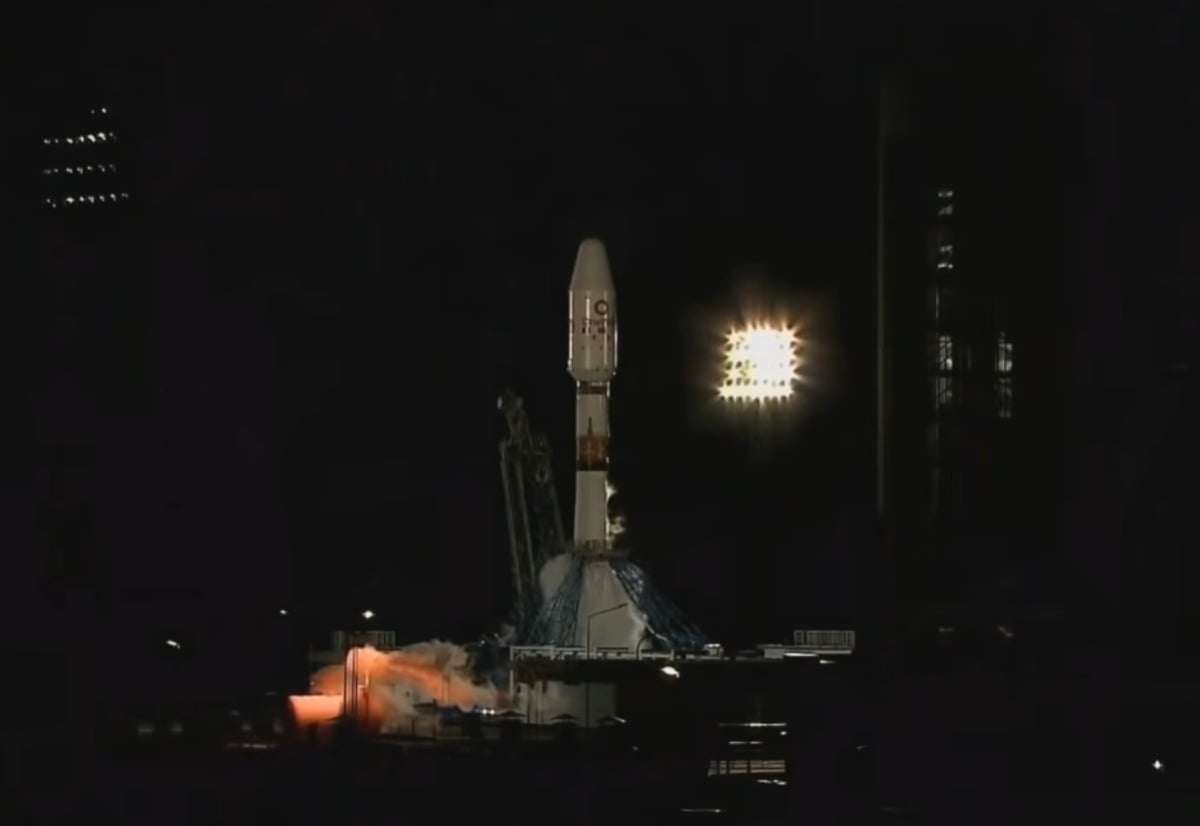
As Zak reported, multiple witnesses in and around the town of Ukhta, located northeast of the Plesetsk launch site in Russia’s Arkhangelsk Oblast, observed and documented a rocket ascending through the upper atmosphere that evening, but neither Roscosmos, the Russian space agency, nor the Russian Ministry of Defense issued any official announcement in the hours or days that followed. That silence was unusual by historical standards: routine launch announcements have been standard practice in both the Soviet and Russian space programs with only rare exceptions across decades of spaceflight. Moscow-based Buro 1440, the private Russian satellite communications company developing the Rassvet system, published video of the satellite release from the launch vehicle’s upper stage several hours after the launch, providing the first public confirmation that anything had reached orbit.
The absence of any official government statement about the launch points to the sensitivity surrounding the program, which sits at the intersection of Russia’s commercial space ambitions, its military communications requirements, and the broader contest over satellite-based internet infrastructure that Starlink has made a strategic priority for governments worldwide. Russia has watched Starlink’s role in Ukraine with particular intensity, as the system has provided Ukrainian forces with resilient battlefield communications that have proven extraordinarily difficult to jam or disrupt, and the desire to field a comparable domestic capability has become a national security imperative rather than simply a commercial opportunity.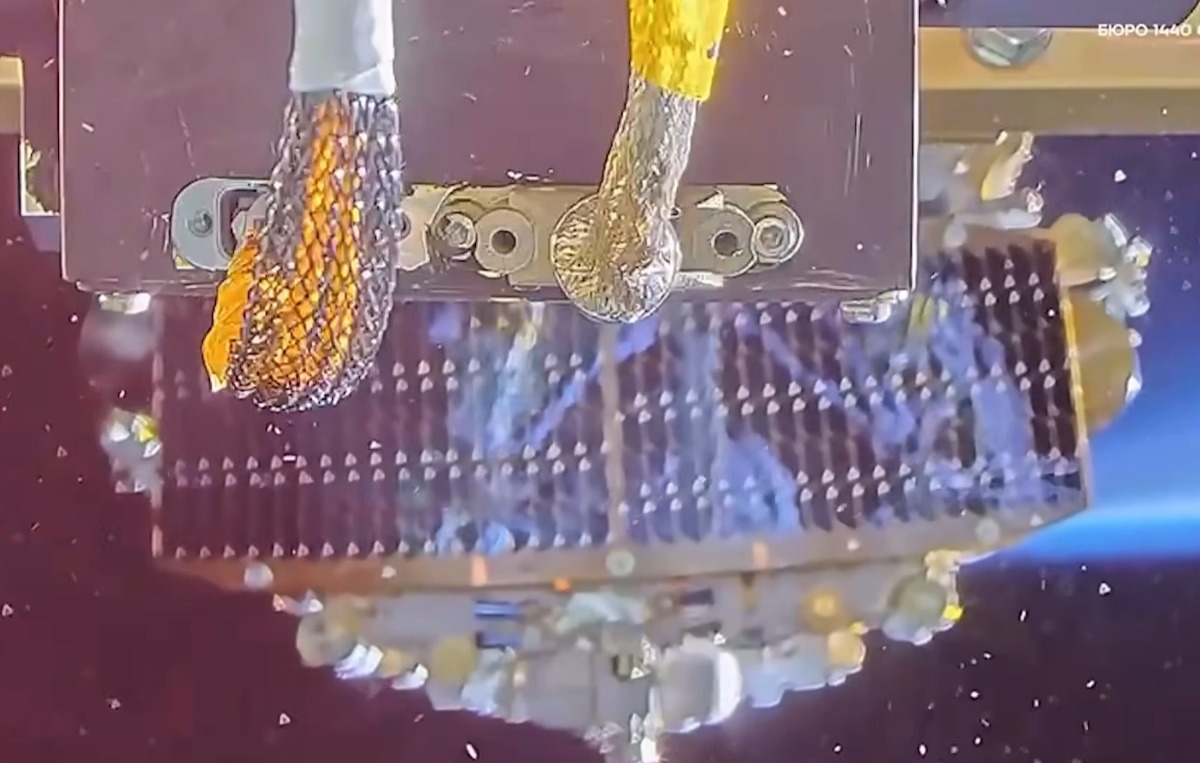
The orbital behavior of the Rassvet satellites in the weeks after launch told a complicated story, carefully tracked by Zak using publicly available NORAD tracking data. For the first two weeks after launch, none of the satellites showed any evidence of firing their engines, raising the possibility that the propulsion systems had failed across the entire batch. By April 6, however, tracking data for Object 16 revealed its first upward maneuvers, and by April 7 a second satellite also began climbing. As of April 9, multiple satellites appeared to have maneuvered. The two most active satellites increased their average orbital altitude from under 310 km (193 miles) to approximately 320 km (199 miles) over that initial period.
The picture that emerged by the second half of April was a constellation performing at uneven levels across its members. All satellites except the non-maneuvering Object 4 began gradually raising their orbits, with the scope of that activity ranging from simple station-keeping maneuvers that merely compensated for natural atmospheric decay to more ambitious orbit-raising campaigns that gained as much as 40 to 50 km (25 to 31 miles) of altitude across a trio of the more capable vehicles. As of early June 2026, six satellites in the Rassvet group were slowly climbing toward more stable altitudes, while eight others were holding position against natural decay without attempting to raise their orbits further.
The behavior of Object 4 stood in contrast to all of its companions from the moment tracking data became detailed enough to assess. It showed no sign of any maneuver across the entire period from launch through its eventual reentry, suggesting either a propulsion system failure that left it unable to fire its engines at all or, more severely, a complete loss of spacecraft control that left it unable to execute commands from the ground. Whatever the cause, the outcome was the same: the orbit decayed at the natural rate driven by atmospheric drag at that altitude, and by June 6 the satellite had descended far enough that reentry became inevitable.
At low Earth orbit altitudes around 300 km (186 miles), atmospheric drag is not negligible even though the air at that height is extraordinarily thin by surface standards. Satellites without propulsion at those altitudes face orbital lifetimes measured in weeks to months rather than years, which is precisely why Starlink and similar broadband constellations operate at somewhat higher altitudes and actively maintain their orbits throughout their operational lives. A satellite that cannot maneuver at all at 300 km is not a communications asset. It is a countdown.
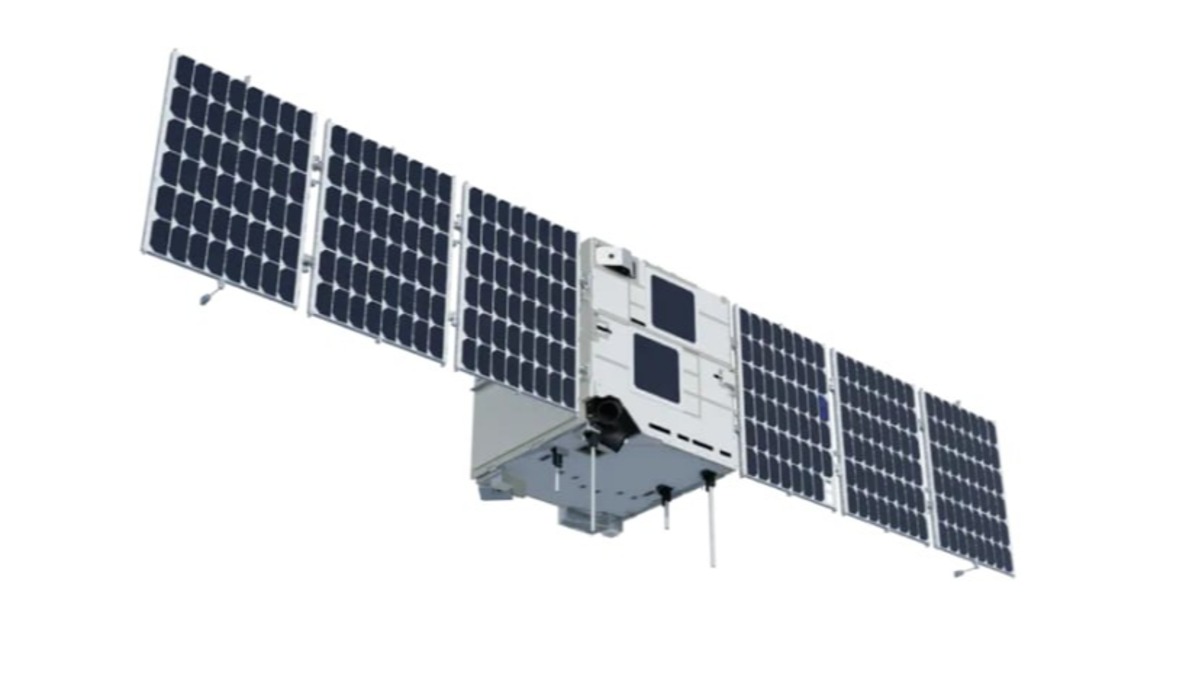
Rumors circulating in the Russian space community, which Zak noted were unconfirmed as of his reporting, suggest a second Rassvet launch into the constellation may be planned for around June 18, 2026. If that timeline holds, it would indicate that Russia’s leadership considers the program viable enough to continue expanding despite the loss of the first satellite and the inconsistent performance of the surviving ones, and that Buro 1440 has either identified and corrected the anomaly that left Object 4 without maneuver capability or assessed it as an isolated failure that does not indicate a systemic problem with the satellite design.
The broader significance of what Rassvet’s troubled early weeks reveal about the state of Russia’s commercial space industry is not something that a single satellite reentry settles definitively. Russia retains substantial rocketry and spacecraft engineering capability accumulated over seven decades of spaceflight, and early operational difficulties are not unusual in the deployment of new satellite constellation architectures. But the secrecy surrounding the launch, the inability of one satellite to perform any maneuvers at all, and the uneven performance of the rest of the batch suggest that Russia’s road to a functional domestic alternative to Starlink is considerably longer and more difficult than the strategic urgency behind the program would prefer.
Object 4 burned up somewhere over the atmosphere on June 6. The constellation it belonged to continues its cautious climb toward operational altitude, one maneuver at a time.