


- 38 Sierra has released inert drone ordnance training aids to support unit-level UAS incident response training.
- The training aids replicate real drone payloads to improve identification and handling in field and classroom environments.
38 Sierra, a U.S.-based company specializing in Counter-Unmanned Aircraft Systems (C-UAS) training resources, has introduced a new line of inert drone ordnance training aids designed to support military and public safety personnel facing an expanding threat from weaponized unmanned systems.
The company says the products are intended to improve identification and safe handling of drone-delivered payloads during field and classroom training.
According to the company, one of the most common weaknesses in current C-UAS readiness is not the intercept phase, but what happens after a drone is brought down. Responders often face unfamiliar explosive or improvised payloads that may pose hazards on the ground. 38 Sierra states that this knowledge gap remains widespread across military units and emergency services, creating the potential for preventable injuries during post-incident response. The new training aids are designed to address this gap by providing realistic replicas for controlled training environments.
The training aids are built to replicate the dimensions, weight, and visual characteristics of real ordnance commonly seen on weaponized drones in recent conflicts. The company notes that the models are inert and safe to handle, allowing units to rehearse procedures without risk. 38 Sierra says they can be used across a range of instruction formats, from classroom familiarization to field exercises involving scenario-based rehearsals.
The rise of small commercial drones modified for combat roles has reshaped tactics on multiple fronts. Conflicts in recent years have shown how off-the-shelf quadcopters and fixed-wing platforms can be used to drop grenades, improvised munitions, and chemical dispersal agents. While many countries have invested in jamming, laser intercepts, and kinetic countermeasures, handling the remains of a downed drone requires a different type of training that has often lagged behind.
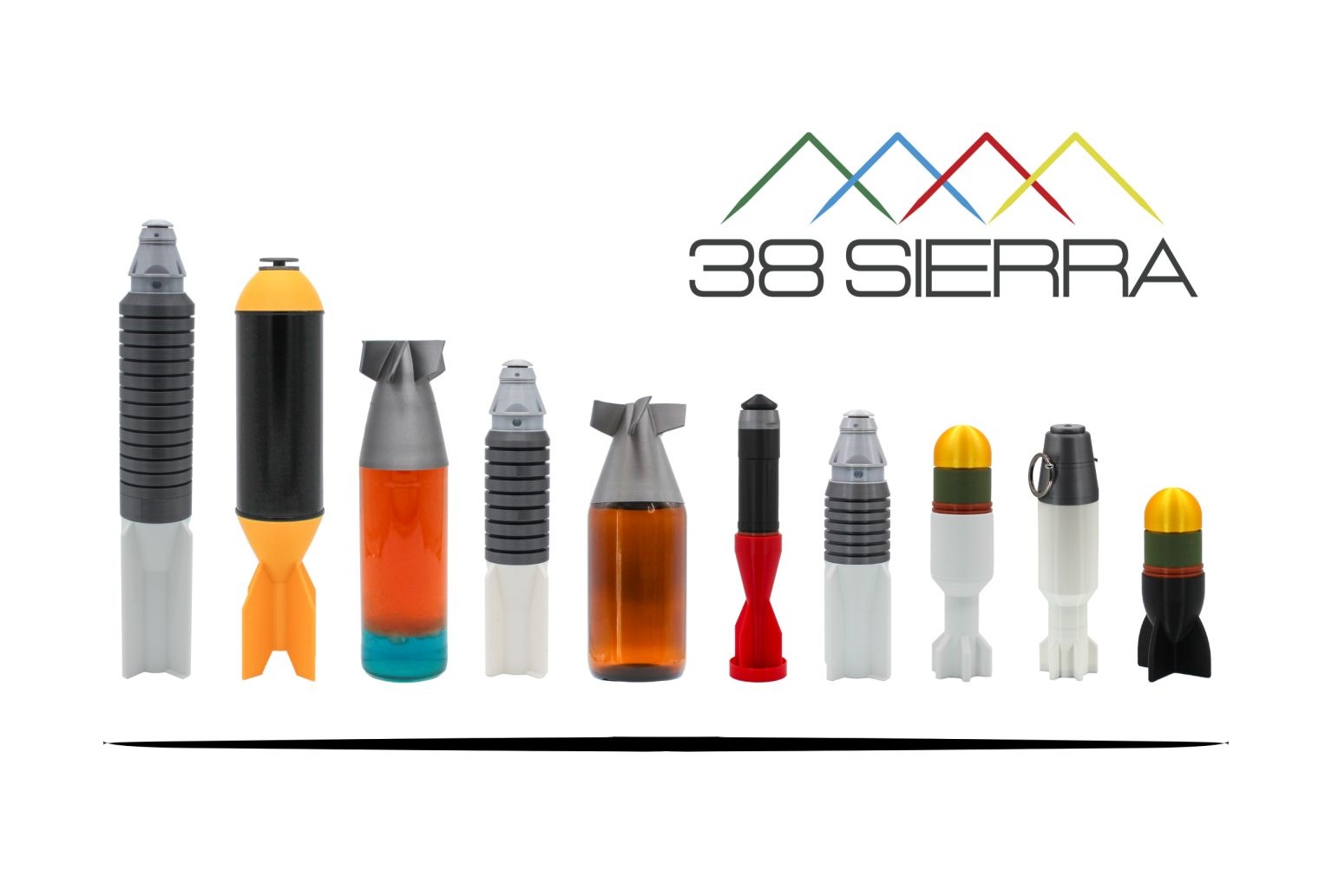
38 Sierra says its approach is focused on integration at the unit level, where personnel can develop routine confidence and familiarity. The company also offers structured UAS response training scenarios that reflect current tactics and payload types observed in operational theaters. These scenarios, available through the company’s online resource library, include defined objectives and recommended training aids to support consistent implementation across different organizations. The company notes that custom scenario development assistance is also available for units with specific mission requirements.
The introduction of these training aids comes as defense organizations and emergency response agencies adapt to an environment where small drones are not exceptional threats but routine ones. Incidents involving improvised explosive payloads delivered by civilian quadcopters have been reported in multiple regions, and the frequency of these events has led many units to expand their standard operating procedures to include drone incident response protocols. In this context, training aimed at safe handling, identification, and reporting of captured or grounded drones is now viewed as an essential component of C-UAS readiness rather than a niche specialty.
Founded in 2024, 38 Sierra describes itself as a company positioned to support military and public safety partners with practical training solutions drawn from observed real-world challenges. The launch of the new inert ordnance line reflects a growing emphasis on preparedness beyond the moment of drone engagement. As drones continue to evolve in range, payload types, and tactical employment, the company notes that personnel at multiple levels will be expected to respond appropriately when encountering them on the ground.