


China’s hypersonic ambitions are taking shape in new ways as Lingkong Tianxing Aerospace marked its seventh anniversary with a promotional video highlighting several of its ongoing advanced projects — including next-generation hypersonic missiles and a high-speed aircraft designed to operate in near-space.
The video, shared this week by the company, includes multiple glimpses of prototype systems, though many of the project details remain obscured.
Several missile designs shown in the footage were deliberately blurred, likely to conceal their specific configurations or to hide experimental target vehicles. Still, the imagery offers a rare public look at the scope of Lingkong’s work in China’s rapidly advancing hypersonic weapons sector.
Lingkong Tianxing has long been linked to a series of cutting-edge research programs focused on hypersonic flight — both for military and potential civilian use.
The company says its efforts extend beyond missile technology to include development of an experimental aircraft capable of flying at Mach 4, roughly twice the speed of the Concorde. The platform is designed to operate between 20 and 100 kilometers above the Earth’s surface, in the high-altitude “near space” region where hypersonic vehicles achieve optimal performance.

According to the company, the aircraft’s first flight is scheduled for 2026, when engineers plan to test its aerodynamic performance, heat-resistant materials, and propulsion systems under real-world conditions. These flight tests are expected to validate core design principles and gather essential data for the future evolution of hypersonic platforms.
The aircraft project is one of several indicators that Lingkong has achieved what analysts describe as an operational phase in its hypersonic research. The company is already conducting evaluation launches and performance trials across a range of experimental vehicles, the video suggests. Yet, despite this progress, it remains unclear whether any of these systems are close to reaching full operational deployment.
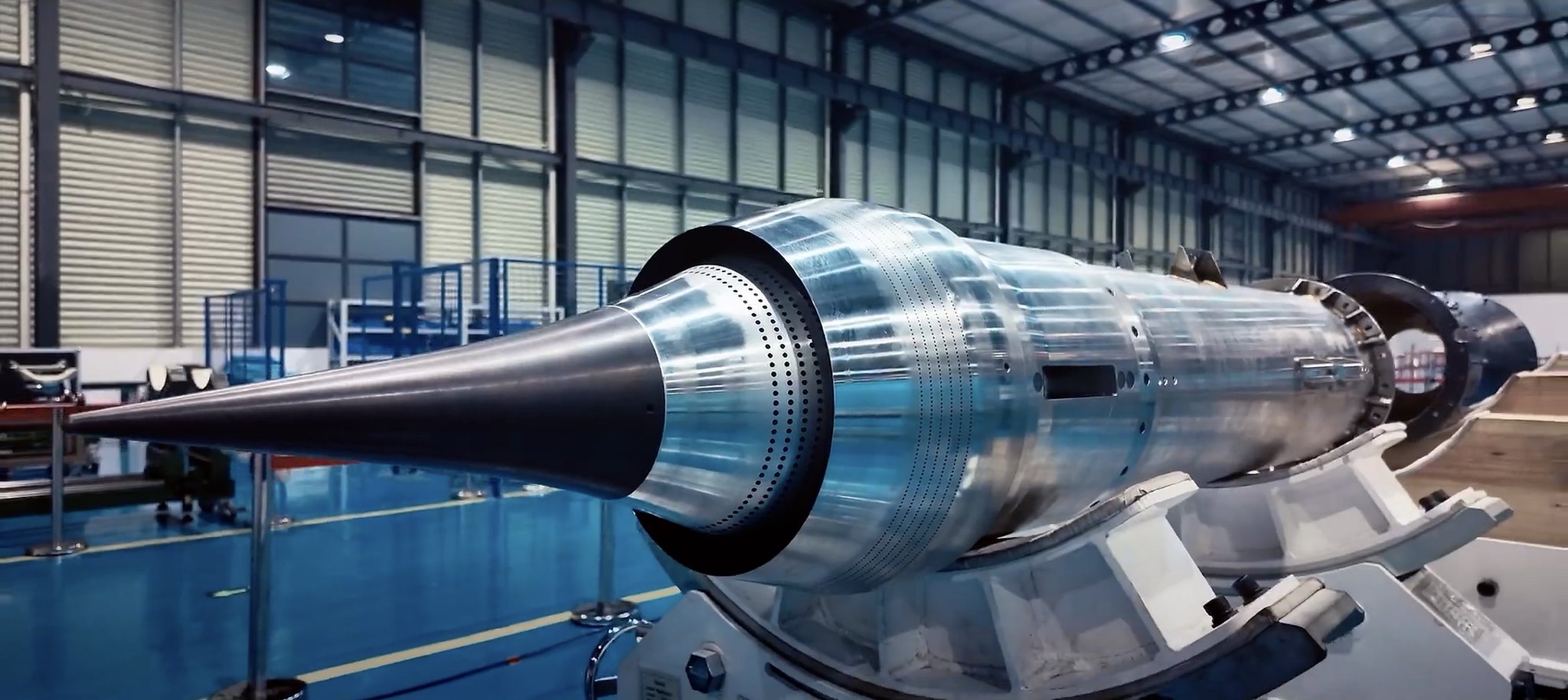
Beyond individual platforms, Lingkong has also invested heavily in the development of advanced propulsion and flight control technologies — areas that are considered essential for the next generation of hypersonic weapons. These capabilities will likely underpin future systems intended for both military strike missions and high-speed civilian transport.
The company’s emphasis on propulsion and control reflects a broader shift in China’s hypersonic strategy. Analysts note that achieving sustained hypersonic flight requires breakthroughs not only in aerodynamic design but also in the ability to precisely steer vehicles traveling at more than four times the speed of sound while enduring extreme thermal and mechanical stress. Lingkong’s continued work in these areas could eventually support a range of dual-use systems, from long-range strike weapons to rapid-reaction transport aircraft.
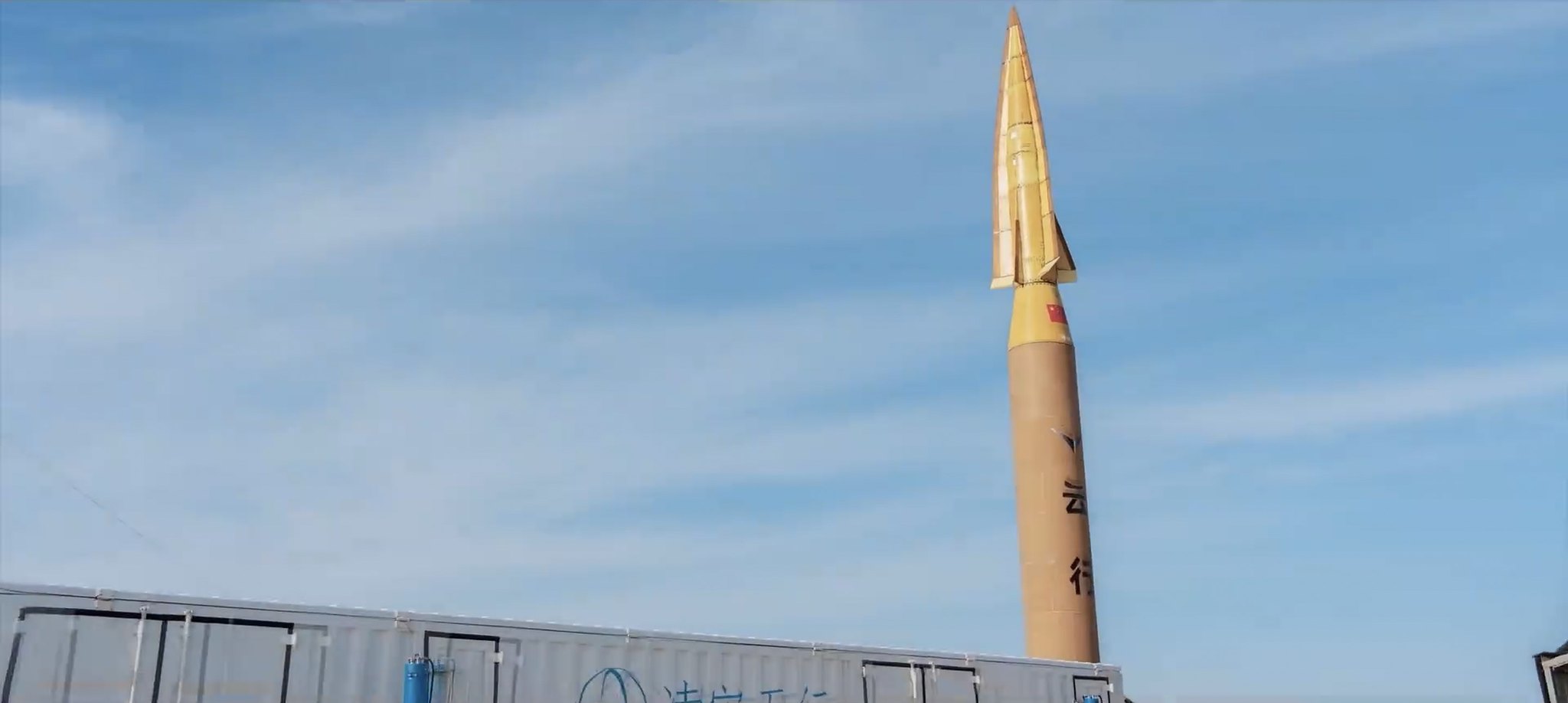
While Lingkong remains cautious about revealing detailed specifications, the release of the anniversary video underscores the company’s growing confidence in its technology base and its central role in China’s hypersonic ambitions. If the Mach-4 aircraft successfully completes its scheduled test flight in 2026, it would represent a major step toward demonstrating reusable hypersonic platforms capable of operating at the edge of space.
The timeline also aligns with Beijing’s broader push to accelerate hypersonic development amid heightened competition with the United States and its allies, which are pursuing similar technologies for strategic strike and rapid global mobility.
For now, the footage offers only a glimpse of what is to come. But the message is clear: China’s hypersonic research is no longer theoretical. Lingkong’s projects are advancing into testing and evaluation, and the next few years could bring some of the most consequential breakthroughs yet in high-speed aerospace technology.