

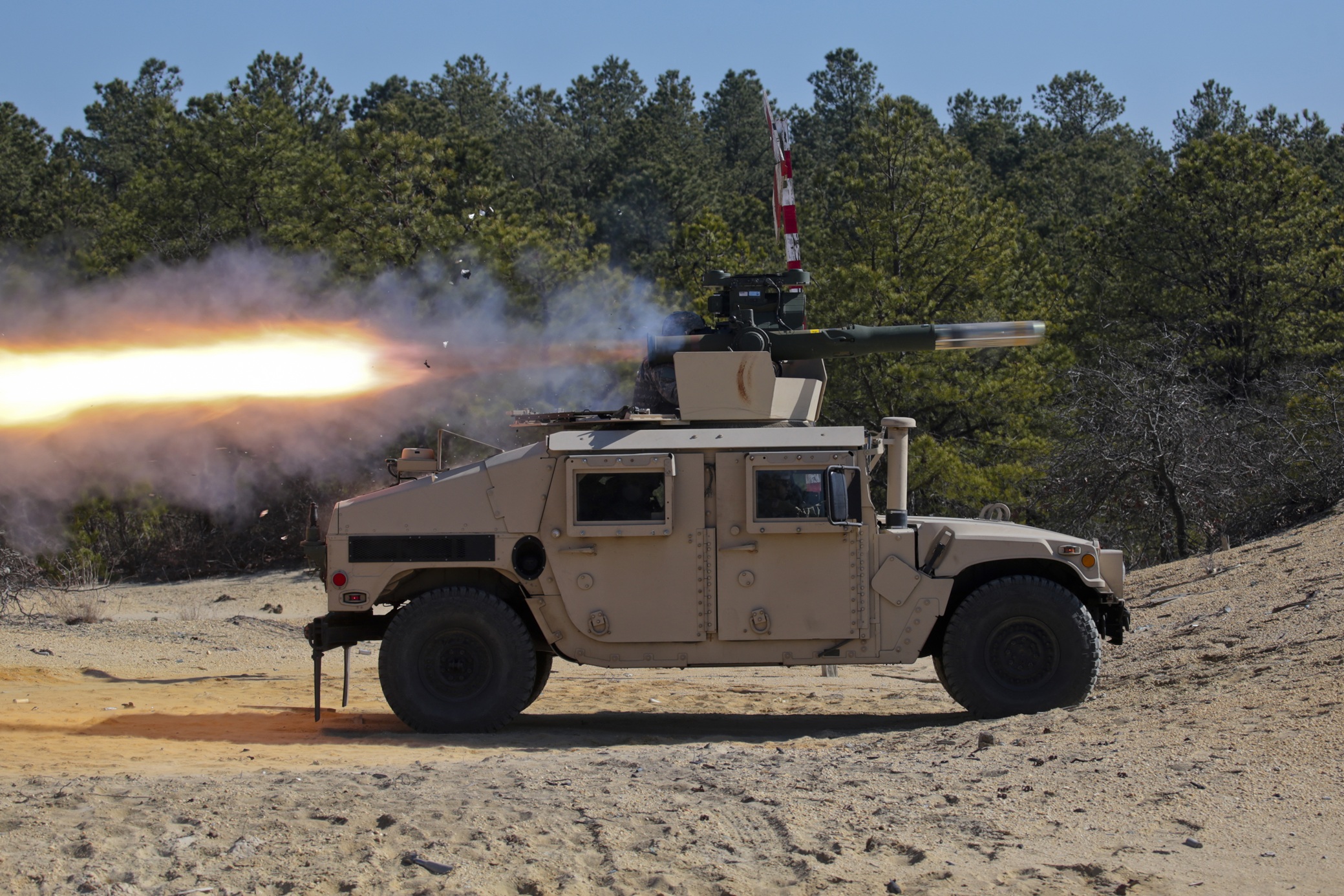
Raytheon Missiles and Defense has been awarded a contract modification valued at more than $271 million to continue production of the TOW missile system, one of the U.S. Army’s longest-serving anti-armor weapons.
According to a Department of Defense announcement, the $271,377,812 modification (PZ0015) to contract W31P4Q-23-C-0026 covers the full-rate production of the Tube-Launched Optically Tracked Missile Weapon System. The order includes the TOW Obsolescence and Safety 2B missile variant, ensuring continued capability and safety improvements to the system.
Work will be performed in Tucson, Arizona, with completion scheduled for February 29, 2028. The Army Contracting Command at Redstone Arsenal, Alabama, is listed as the contracting activity.
Funding for the contract includes fiscal year 2023 and 2024 missile procurement Army funds totaling $137,338,102, and fiscal years 2023, 2024, and 2025 other procurement Army funds totaling $134,039,710, obligated at the time of the award.
The TOW missile system has been a central element of U.S. and allied anti-armor capability for decades. It remains one of the few tube-launched, wire-guided weapons in widespread service, noted for its ability to defeat fortified positions and armored vehicles.
The TOW 2B variant incorporated in this award includes improvements addressing safety and obsolescence while maintaining lethality against modern armored threats. The system is widely exported and has seen service in conflicts across the Middle East, Europe, and beyond.
Raytheon describes the TOW as a reliable and adaptable system that integrates across platforms ranging from ground vehicles to tripods, and it has been steadily upgraded to address evolving threats.
The missile, manufactured by Raytheon in Tucson, will continue to support Army formations and allied forces through the end of the decade.