


GE Aerospace and BETA Technologies have announced a strategic partnership and $300 million equity investment aimed at accelerating the development of hybrid electric propulsion systems for next-generation aviation platforms.
The collaboration, pending regulatory approval, is focused on producing a hybrid electric turbogenerator that could support long-range vertical takeoff and landing (VTOL) aircraft and other Advanced Air Mobility (AAM) applications.
The new hybrid system will combine BETA’s high-performance electric generator technology with GE Aerospace’s turbine engines and large-scale electrical power systems. According to both companies, the objective is to deliver aircraft that outperform current AAM solutions in range, payload, and speed, while maintaining the rigorous safety standards expected in aviation.
“Partnering with BETA will expand and accelerate hybrid electric technology development, meeting our customers’ needs for differentiated capabilities that provide more range, payload, and optimized engine and aircraft performance,” said GE Aerospace Chairman and CEO H. Lawrence Culp, Jr.
The partnership is set to leverage GE Aerospace’s legacy CT7 and T700 turboshaft engines, which have logged millions of flight hours in military and civil applications worldwide. The companies say these proven systems provide a scalable and certifiable foundation for hybrid propulsion integration.
As part of the agreement, GE Aerospace will gain the right to appoint a member to BETA’s Board of Directors, reinforcing its long-term commitment to the program.
Kyle Clark, Founder and CEO of BETA Technologies, said, “This partnership brings together two teams deeply committed to and guided by aerospace engineering excellence and building the future of flight. We believe the industry is on the precipice of a real step change, and we’re humbled that GE Aerospace has the confidence in our team, technology, and iterative approach to innovation to partner with us.”
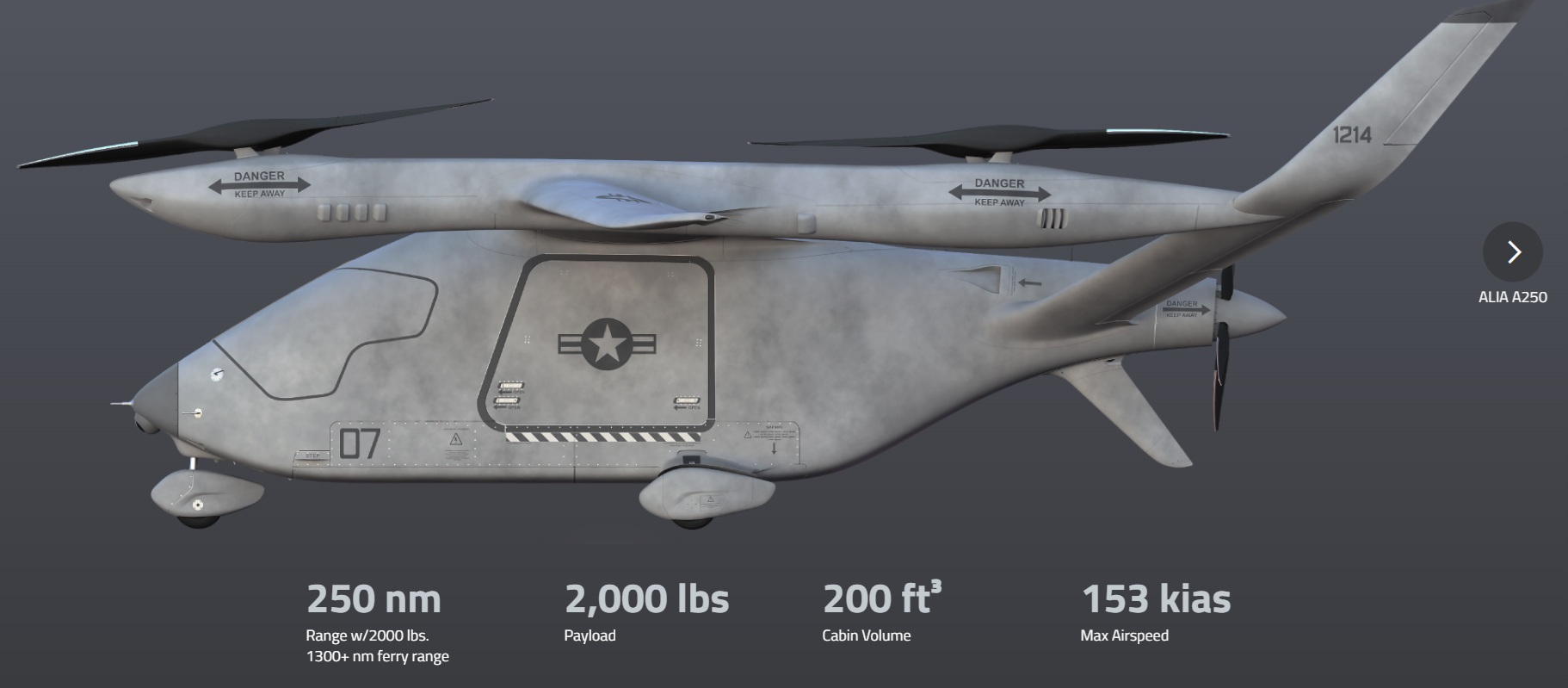
BETA’s ALIA aircraft platform, designed for high operational tempos in demanding environments, has been tested extensively across the United States and Europe. The aircraft’s in-house electric propulsion and battery systems deliver quiet, high-frequency flight performance and are engineered to operate in all-weather conditions.
According to BETA, the ALIA MV250 variant is tailored for contested logistics and battlefield environments, bridging the gap between rotary-wing aircraft and ground-based tactical vehicles. The platform is built to support distributed operations, enhancing mobility, survivability, and sustainment for forces operating in denied or degraded areas.
In recent years, GE Aerospace has advanced several hybrid-electric propulsion milestones. In 2016, it completed ground testing of an electric motor-driven propeller system. In 2022, the company conducted the world’s first megawatt-class hybrid electric propulsion test under simulated high-altitude commercial flight conditions.
Company officials say the collaboration with BETA will not only serve civil AAM markets but also meet defense needs for versatile, deployable aviation assets that reduce reliance on traditional fuel supply lines and infrastructure.
Subject to regulatory clearance, the equity investment will support joint development of the hybrid turbogenerator and further integration with future BETA aircraft. Both companies have expressed confidence that their combined engineering capabilities and testing data will accelerate hybrid propulsion maturity and certification across multiple mission sets.