


South Korea has revealed the image of an AAM (Anti-Aircraft Missile) from the L-SAM system for the first time, offering a first public look at one of its newest ground-based air defense capabilities.
According to details shared publicly, the L-SAM-I’s main feature is its ABM (Anti-Ballistic Missile) interceptor, designed for high-altitude defense.
The AAM variant was shown later, and the L-SAM launcher can be configured to accommodate a mix of ABM and AAM canisters. The newly unveiled AAM is intended to replace the PAC-2 GEM-T missile, with configuration and performance similar to the SM-2.
Hanwha Aerospace was responsible for the ABM, Hanwha Systems for the large AESA radar, and LIG Nex1 for the AAM. Mass production has now begun. A naval version of the L-SAM is also in development to replace the South Korean Navy’s SM series missiles.
Negotiations for the L-SAM are underway with Middle Eastern countries. Future plans include the more advanced L-SAM-II, currently under development, with potential sales targeted to Poland, Australia, the Philippines, and several Northern European nations.
The L-SAM program is a central part of South Korea’s effort to strengthen its layered air and missile defense, providing both high-altitude ballistic missile interception and extended-range air defense. By integrating both ABM and AAM variants into a single launcher, the system can adapt to different aerial threats, from ballistic missiles to high-speed aircraft.
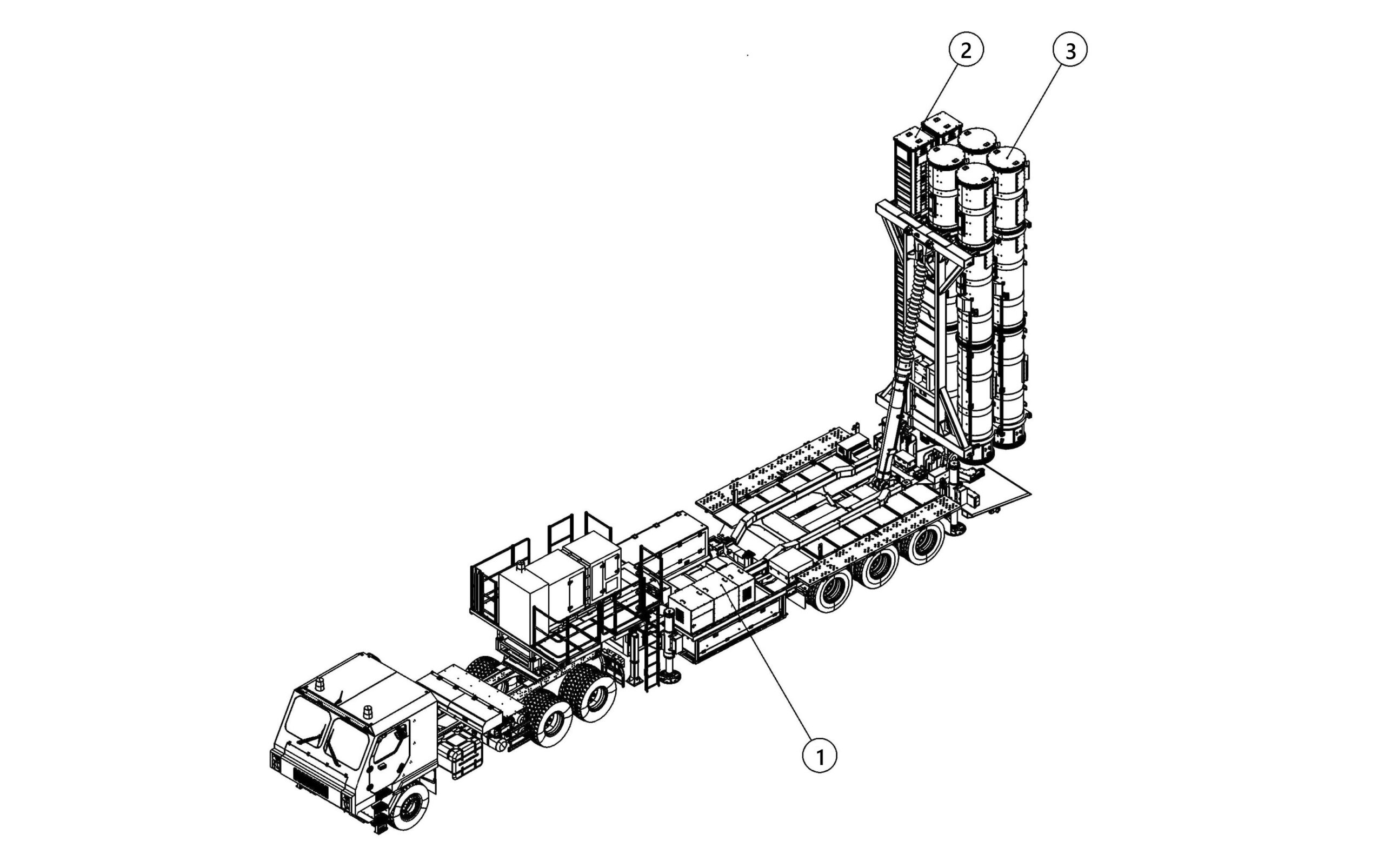
The AAM variant is designed to close capability gaps in medium- to long-range air defense, providing a replacement for the PAC-2 GEM-T. With performance characteristics similar to the SM-2, the missile can target a wide range of airborne threats over land or sea.
The naval variant under development aims to replace older SM-series interceptors aboard Republic of Korea Navy vessels, enhancing maritime air defense in contested waters. This capability would give South Korea’s surface combatants improved protection against both aircraft and missile threats.