

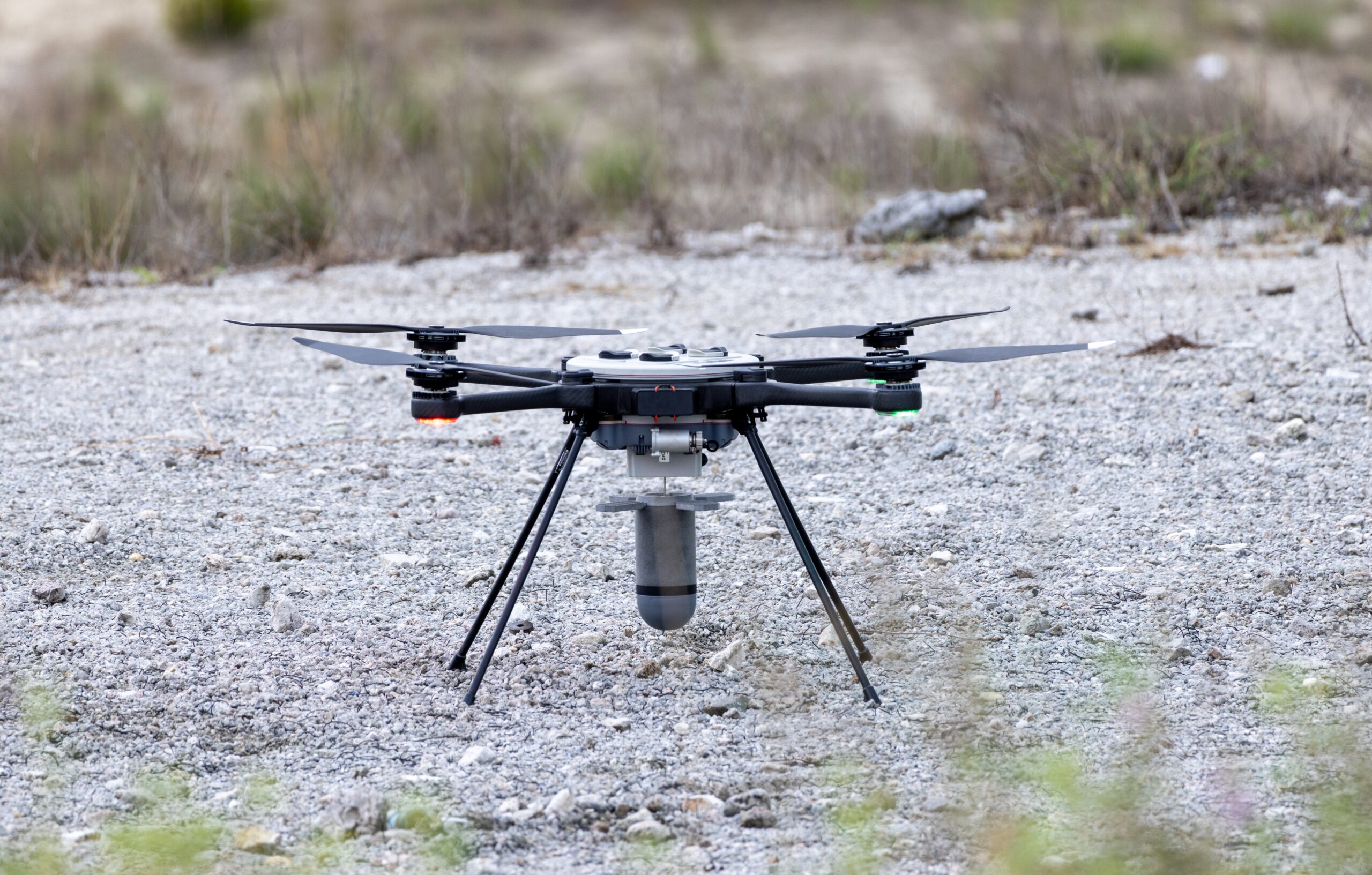
The U.S. Army has announced plans to fast-track the production of thousands of small, low-cost drones for soldiers to deploy in the field, with initial deliveries expected within two months.
The Army’s contracting office called on commercial drone manufacturers to submit proposals by July 18.
The service is seeking systems that can be delivered as early as September, with the “ability to quickly ramp production and larger quantities within 12 months,” according to the notice.
The initiative reflects a growing recognition within the Army that inexpensive, adaptable drones are critical for modern combat environments. The notice, issued by the aviation department of the Army’s Program Executive Office, does not specify the total number of drones being sought but emphasizes the need for “thousands” of units.
Specifications outlined in the request call for individual drones to be produced at a cost of less than $2,000 each. In addition, soldiers must be able to modify the systems in the field, attach a variety of munitions, and repair the drones without relying on contractors.
“The Army must expand (drone) production capacity across the industrial base,” the notice stated. “Funding is available to achieve this.”
The service is urging vendors to propose strategies that prioritize speed, scalability, and adaptability in production.
The push comes as small unmanned aerial systems (sUAS) have become a major focus for militaries worldwide. The ongoing war in Ukraine has highlighted the effectiveness of inexpensive drones for surveillance, strike missions, and electronic warfare. By equipping soldiers with simple, field-modifiable systems, the Army aims to enhance its tactical flexibility in contested environments.
Proposals from industry partners are due in less than two weeks, reflecting the urgency of the program. If successful, the effort could see thousands of drones entering Army inventories by the end of the year, with full-scale production in place within 12 months.
The Army has not identified specific manufacturers it plans to work with but is expected to evaluate submissions based on cost, reliability, and the ability to meet rapid production targets.