

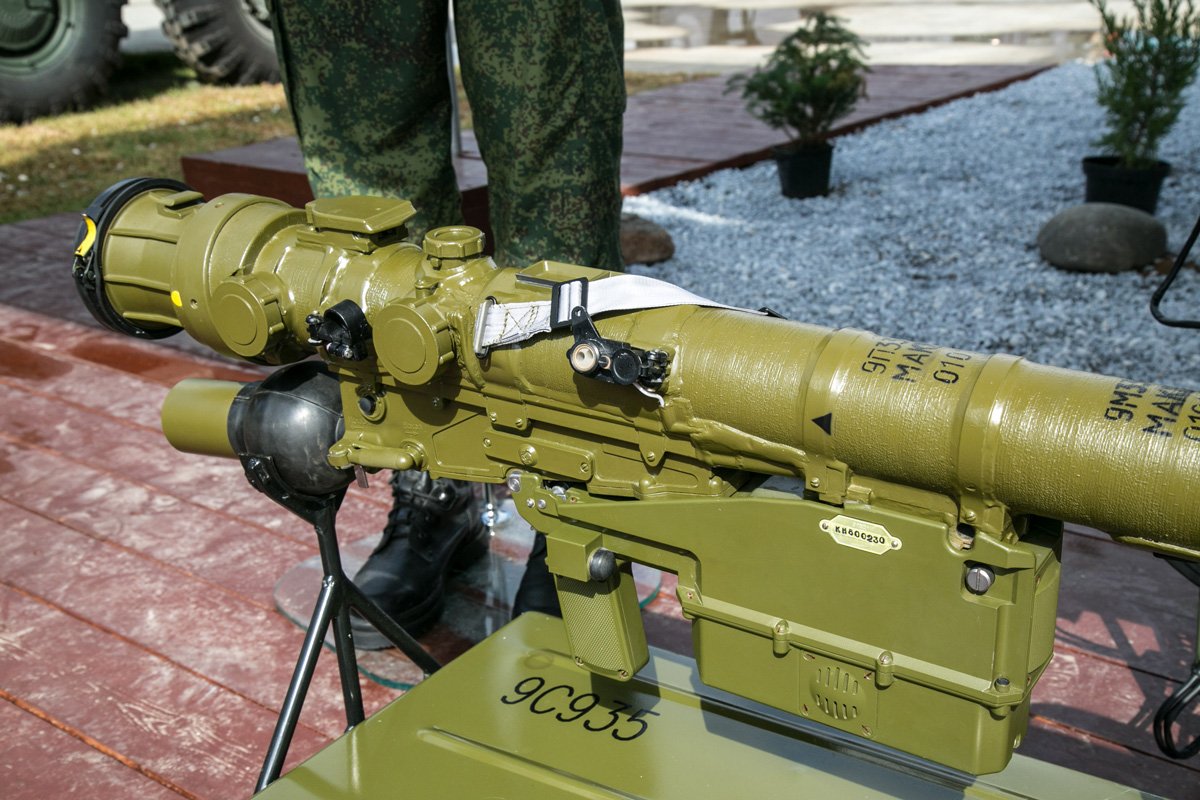
Russia reportedly integrated Swiss electronic components into its modern Russian Verba (SA-25) shoulder-fired surface-to-air missiles, better known as man-portable air-defense systems (MANPADS).
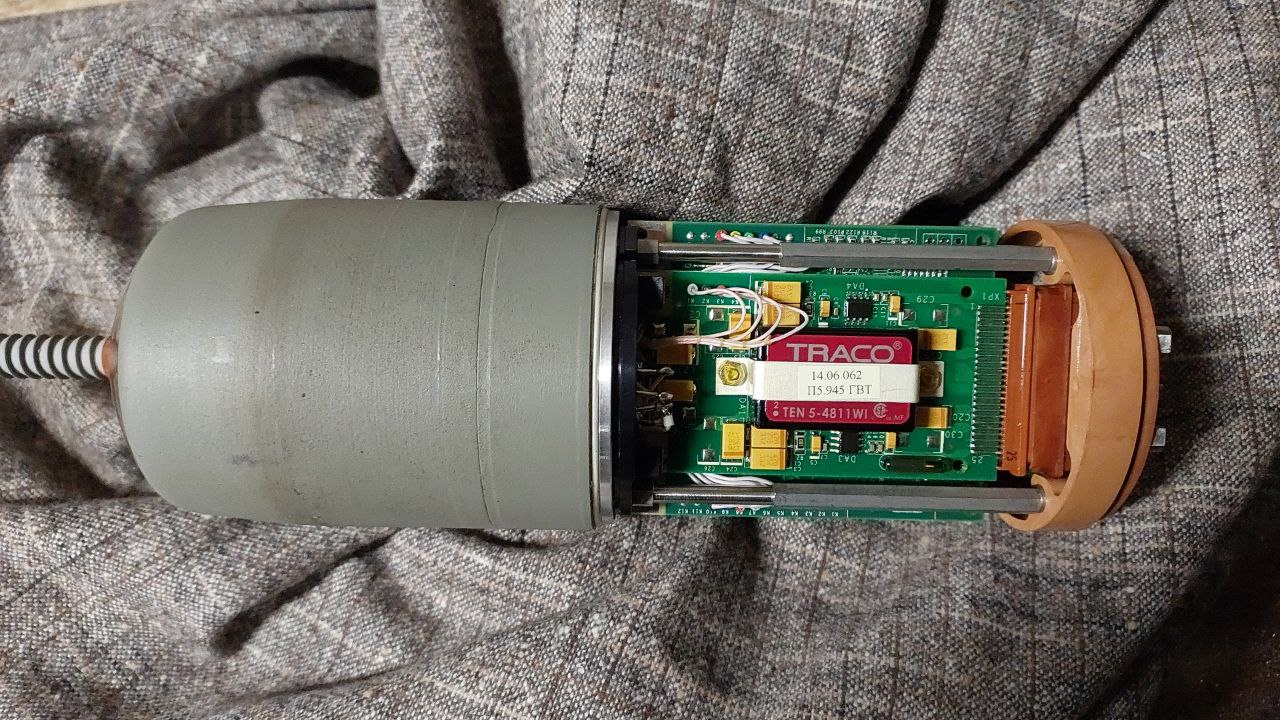
According to the Militarnyi, the key innovation of the newest Russian MANPADS that has raised eyebrows is the integration of a power converter from the Swiss company Traco Power into the missile’s multi-spectral optical heat-seeker.
As divulged by the report, the Swiss components have played a pivotal role in enhancing the performance of these sophisticated self-guided missiles, a development that signifies a significant leap forward in Russia’s air defense capabilities.
It’s worth noting that Switzerland, due to its neutral status, had previously prohibited the supply of weapons to Ukraine and the re-export of Swiss weapon systems and ammunition to Ukraine from other countries.
The Verba MANPADS is a relatively new product that was adopted by the Russian army in 2014. It is developed by Joint Stock Company Research and Production Corporation Konstruktorskoye byuro mashynostroyeniya (JSC RPC KBM).
According to Russian state media, one of the advantages of “Verba” is its high probability of hitting cruise missiles and unmanned aerial vehicles, including those with low thermal emission.
The main advantages of the Verba missile are a more sensitive self-guidance head and higher jamming resistance. The unique three-spectral multi-platform heat-seeker can operate in the ultraviolet, near-infrared, and mid-infrared ranges, allowing for maximum target information acquisition. The increased sensitivity of the missile extends the range of capturing aerial objects. Additionally, the head automatically discriminates false thermal targets and selects the real object based on several characteristics.
The Verba’s engagement range is up to 6000 meters, the altitude varies from 10 to 3500 meters, and the speed of the targets it can engage is up to 400 meters per second. The preparation time for firing is up to 12 seconds. The combat elements of the system can operate in conjunction with automated target designation systems, which allow the anti-aircraft gunner to receive target data from higher-level control assets and autonomous detection means.