

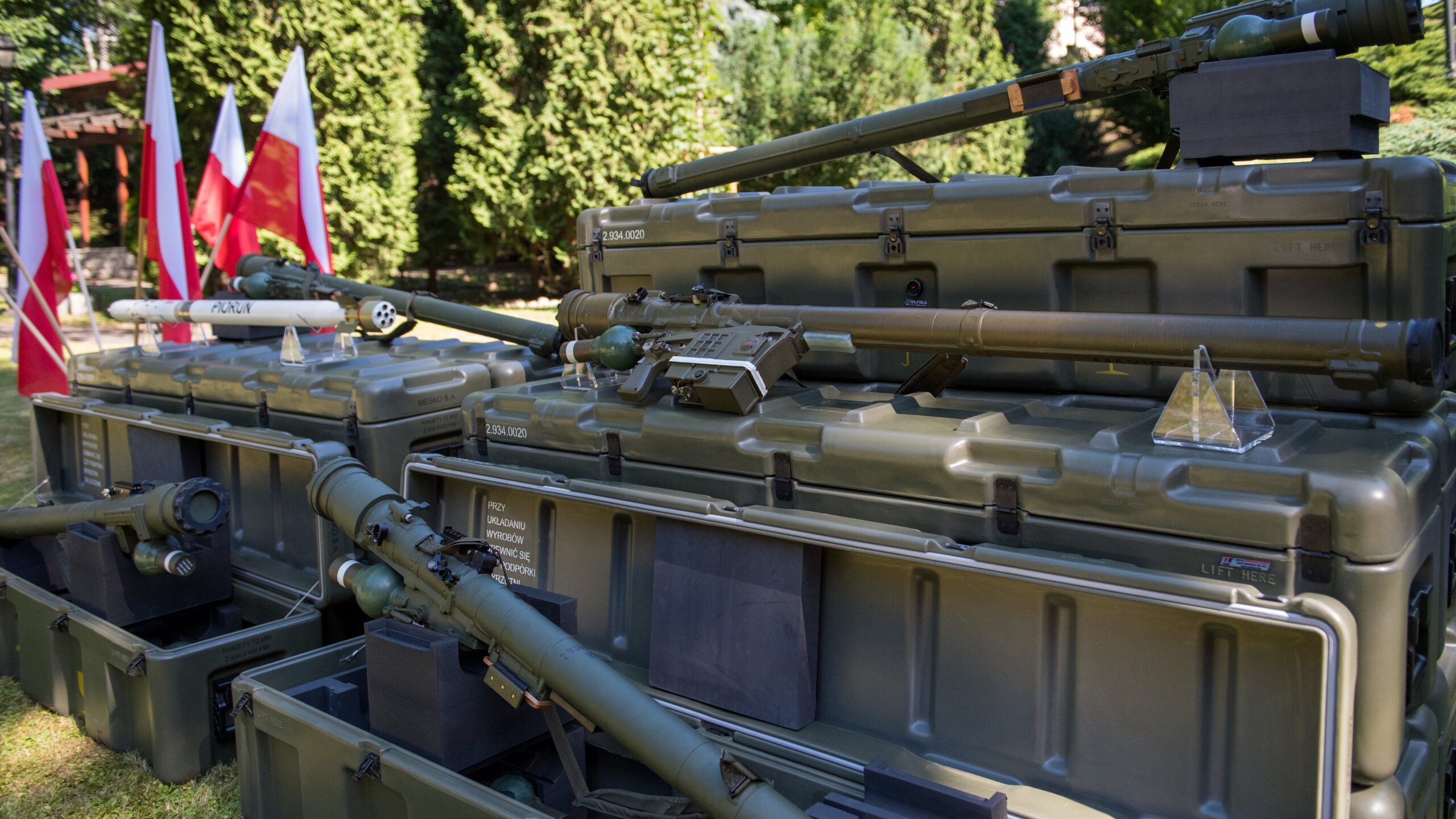
The Polish Ministry of National Defense has awarded the Polish Armaments Group (PGZ) a contract for the delivery of additional 600 Piorun shoulder-fired air defense missile systems as well as 3,500 missiles that will be manufactured by the Polish company Mesko.
According to the head of the Polish Ministry of Defense Mariusz Błaszczak, the first Piorun systems are expected to happen by the end of this year.
“It is a product of Polish technical thought, a weapon produced in our country. It is also a weapon that was tested during the war in Ukraine. Even before the outbreak of the war, we handed over these kits to Ukrainians. It turned out that they were effective… and the Ukrainians used these kits to successfully defend themselves against the Russian invasion. That is why we decided to annex the contract from 2016 and increase the volume of ordering sets for the Polish Army. They will go to the soldiers of the Polish Army later this year, ” said Błaszczak.
Mariusz Błaszczak added that the new deal for Piorun systems is part of the consistent strengthening of the Polish defense industry’s position in modernizing the Polish Army. The amended contract was signed in December 2016, and the deadline for its implementation is 2023.

The Piorun is a Polish man-portable air-defense system, better known as MANPADS. It is an upgraded version of the GROM MANPADS including a single-shot short-range missile designed and manufactured by the Polish Company MESKO based on the Soviet-made 9K38 Igla (SA-18 Grail).
The Piorun missile can engage low-altitude (at altitudes ranging from 10m to 4 km) enemy threats at up to 4,000m meters.
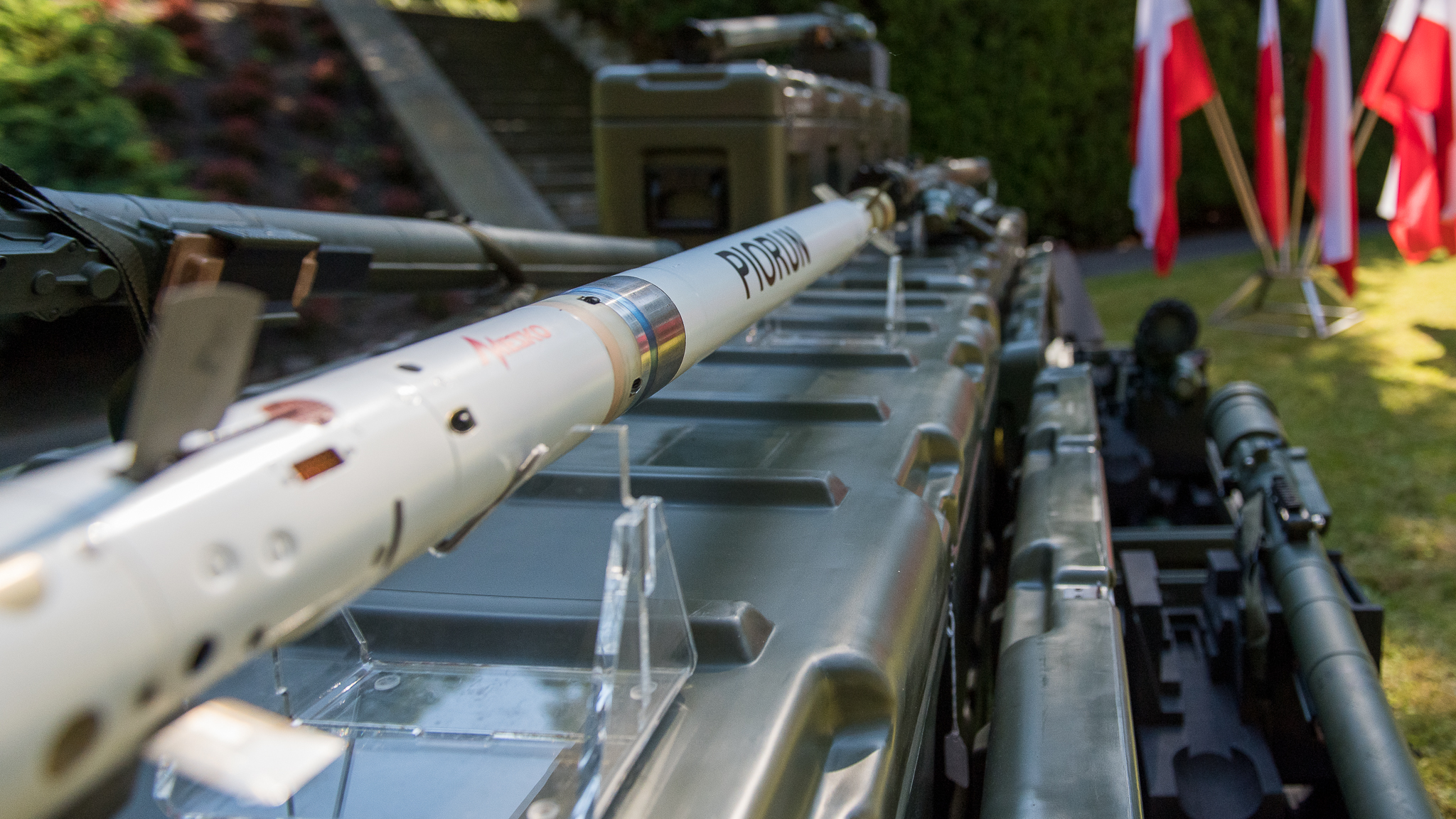
According to Defence24, the Piorun system features a programmable seeker that is resistant to countermeasures, and it also features a proximity sensor. The seeker’s operation can be tailored to match a specific target before the missile is launched – this enhances the kill probability. The launch mechanism also features an optoelectronic sensor that makes it possible to conduct operations during the daytime, and at night (thermal imaging channel).