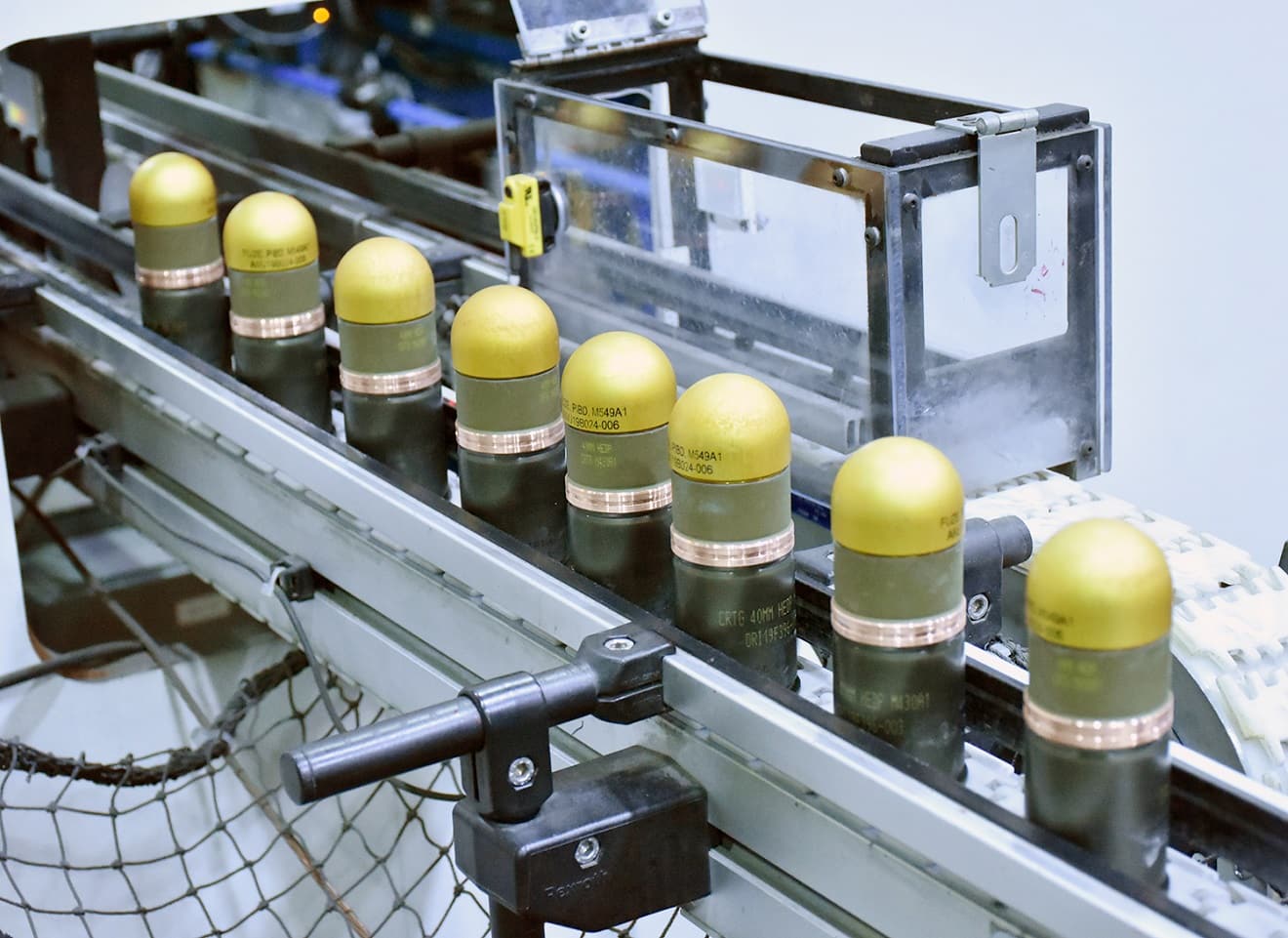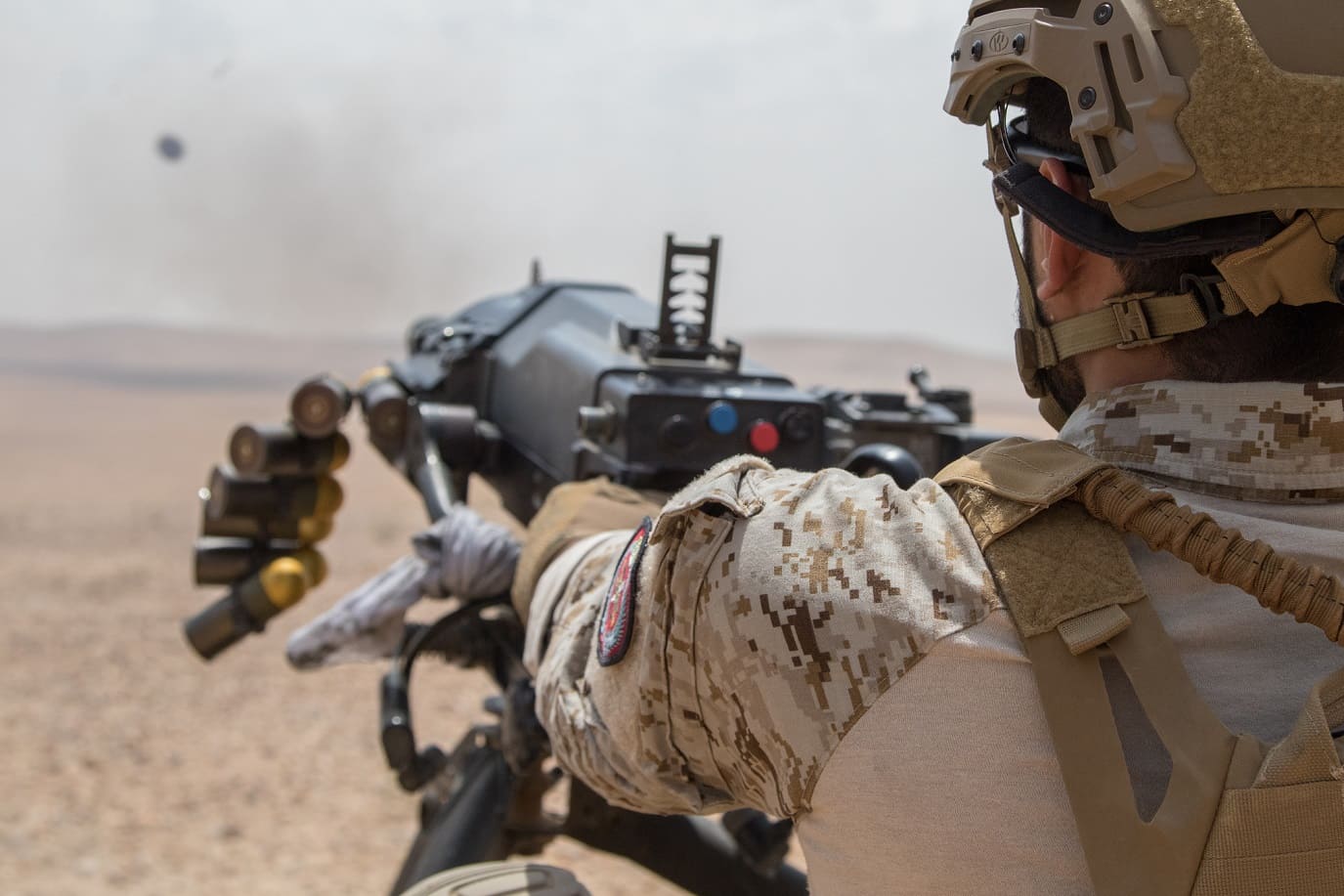
The U.S. Army plans to significantly step up modernization and upgrading of grenade launcher systems through the enhanced lethality and accuracy technologies for legacy and future 40mm grenade ammunition.
Earlier this week, the Pentagon released its new draft request for proposal to provide for requirements related to the fabrication, testing, evaluation, and producibility assessments for various 40mm Grenade Medium Caliber programs.
The long-awaited request for proposal simply outlines what companies will have to deliver in order to get a lucrative deal.
According to request, released by the U.S. Army Contracting Command- New Jersey, the objectives of this program are to assess enhanced lethality and accuracy technologies for legacy and future 40mm grenade ammunition, improved production and manufacturing capabilities, and better munitions life cycle management. The Army’s 40mm grenade ammunition project will help to modernize of current U.S. infantry grenade launcher systems and developed the next-generation weapons.
Also added that the Government intends to award multiple five years, Firm Fixed Price (FFP) type, Indefinite Delivery/Indefinite Quantity (IDIQ) contracts.
For nearly 30 years, 40 mm grenades have been a mainstay on the battlefield, undergoing little more than safety and reliability improvements.
To date, the U.S. Army’s 40 mm grenade family contains both high-velocity (HV) grenades, which are fired from Mk19 grenade machine guns (GMGs) mounted on vehicles as well as dismounted, and low-velocity (LV) grenades, which are fired from handheld weapons. The primary 40 mm HV tactical round is the M430A1 High-Explosive Dual Purpose (HEDP) cartridge. It is fired to a maximum range of 2,200 meters and is capable of penetrating three inches of steel and inflicting personnel casualties. The primary 40 mm HV training round is the M918/M385A1 Mixed Belt Target Practice (TP) configuration. It provides a realistic signature, defined as a distinguishable visual characteristic or mark, that can be seen as far out as 1,200 meters.