

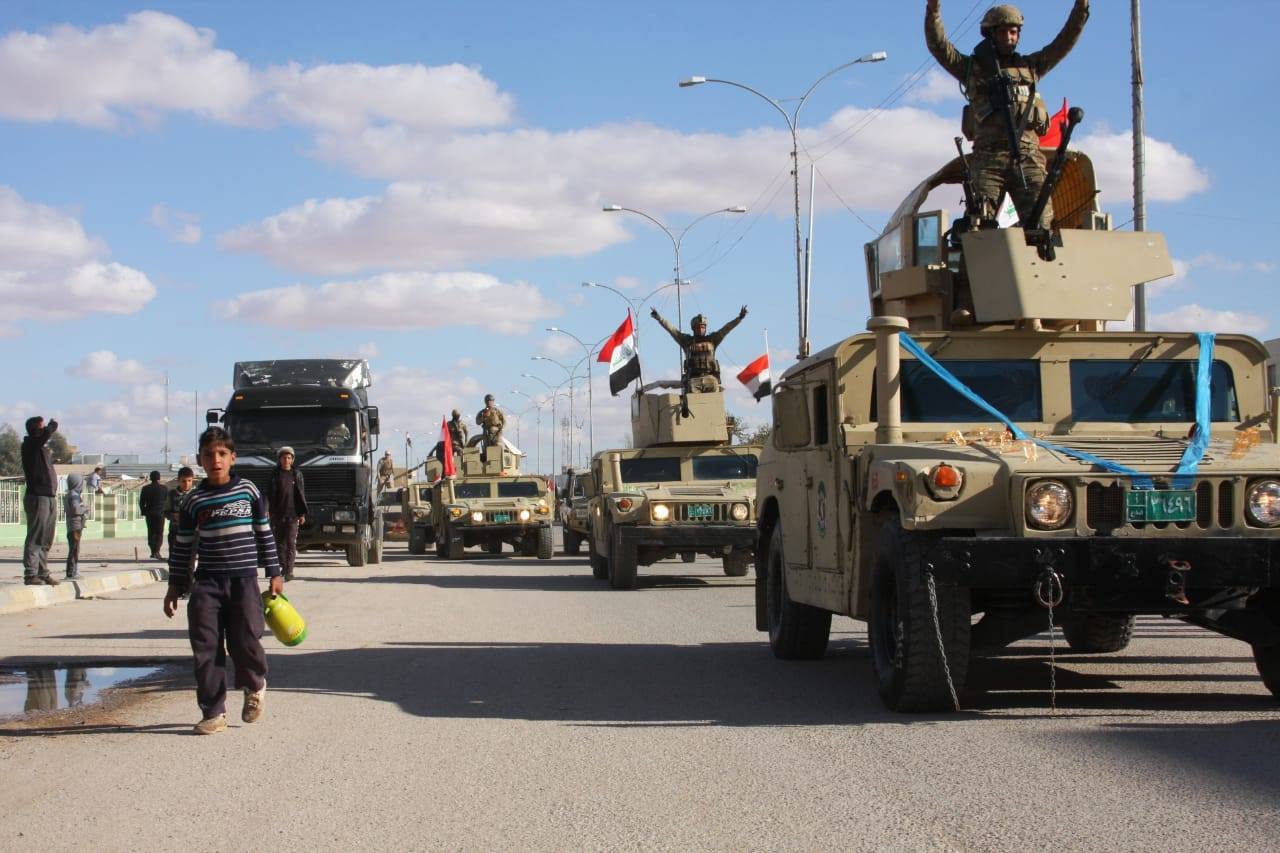
The commander of Task Force Rifles Col. Jonathan C. Byrom said that “ISIS remnants” has been degraded so much that are hiding in the desert.
Speaking to Pentagon reporters, Jonathan C. Byrom said: “the Islamic State of Iraq and Syria controlled a self-proclaimed caliphate that stretched from Syria to Iraq, but now that force in Iraq has been degraded so much that the remnants are hiding in caves, deep wadis
Army Col. Jonathan C. Byrom, who also serves as deputy director of Joint Operations Command Iraq, spoke via video teleconference from Baghdad.
Kurdish peshmerga and Iraqi security forces are conducting continuous clearance operations against these small pockets, the colonel said.
Checkpoints along the Iraq-Syria border have now been reopened, and Iraq’s border guard and security forces are operating along that border to prevent ISIS from crossing, he said. That includes “intense cross-border fires” by Iraqi and coalition forces in consultation and coordination with Syrian Democratic Forces, he added.
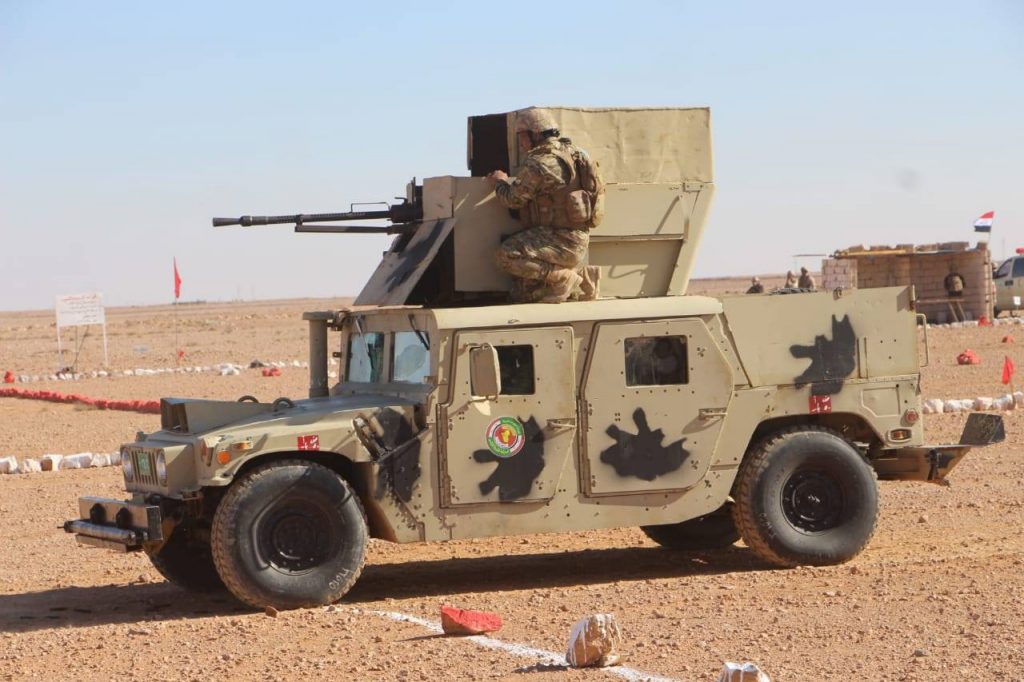
Iraqi security forces are large-scale clearance operations and are hunting ISIS leadership and trying to take out the terrorist group’s media, propaganda and financial capabilities, Byrom said.
U.S. and coalition forces are advising, assisting and enabling Iraqi forces, he said, support that includes providing them with joint fires, intelligence, aerial surveillance and training, along with some equipment. “It’s a good partnership” that’s preventing a resurgence of ISIS and continues to degrade their numbers and effectiveness, the colonel said.
Byrom emphasized that the Iraqis are conducting their own missions and making the decisions. “They are effectively targeting ISIS and regularly conducting operations that disrupt ISIS and preventing their resurgence,” he said.
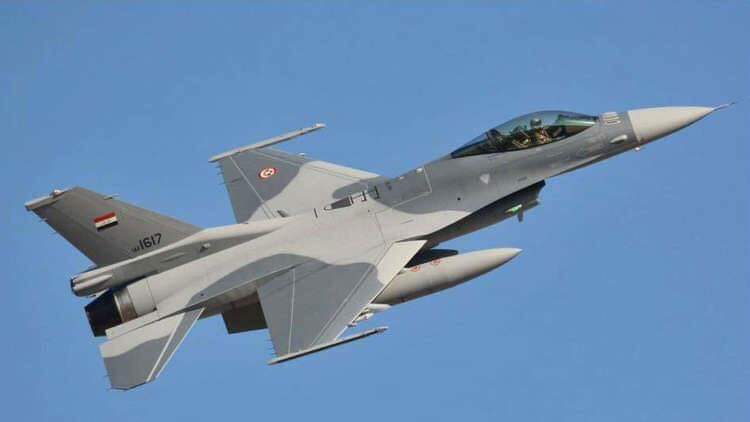
Asked how many ISIS fighters remain in Iraq, Byrom said he doesn’t focus on the number. “What we’re really focused on is the capability and whether they can translate this capability into destabilizing or resurging,” he explained.
The good news story, he said, is that ISIS attacks “are not having that much of an impact on the population.”