

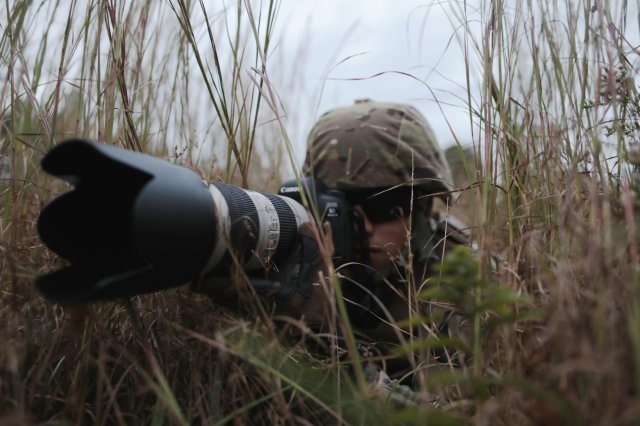
The U.S. Army is fielding modern, standardized media kits to its tactical Public Affairs and Visual Information Soldiers to improve capabilities, save money and reduce logistical tasks.
According to Dan Lafontaine, PEO C3T Public Affairs, soldiers from the 55th Signal Company (Combat Camera) at Fort Meade, Maryland, received 13 Tactical Digital Media, or TDM, kits in July, marking them as the first unit equipped with the new package.
“This kit will allow us to exceed customers’ expectations and set a new standard in our career field,” said Staff Sgt. Pedro Garcia Bibian, 3rd Platoon Sergeant, who has worked on the TDM project since testing kicked off in October 2017 at Aberdeen Proving Ground.
“I have used this equipment in the extreme cold weather of Alaska, and the system performed above my expectations; the production quality improved drastically compared with our old kits,” he said. “This gives us the ability to stay up to date in the [Visual Information] field and enables us to transmit our message to the public a lot faster.”
TDM kits will enable Public Affairs and Visual Information Soldiers to gather, process and deliver digital audio, imagery and video files through kits composed of digital multimedia cameras, video-editing equipment, laptops, lighting, night-vision devices and audio gear. The TDM laptops are approved to operate on unclassified and classified Army computing networks. This step will be a significant milestone for these career fields, as connecting photo and video equipment to Army networks is not currently permitted because of security concerns.
Kyle Perkins has managed the acquisition, procurement, testing and fielding of the TDM kits for Army Project Manager Mission Command.
“The most satisfying aspect of managing this program has been working directly with the Soldiers who will operate the equipment and designing a system to meet their needs,” Perkins said.
To improve Soldiers’ ability for transmitting still photos and video files from remote locations, the TDM kits are compatible with the Lite variant of the inflatable Transportable Tactical Command Communications system. T2C2 Lite provides satellite connectivity to enable TDM users to send their data across the tactical network from remote locations without the need of static network infrastructure. It can be used during disaster relief efforts, deployments and live broadcasts.
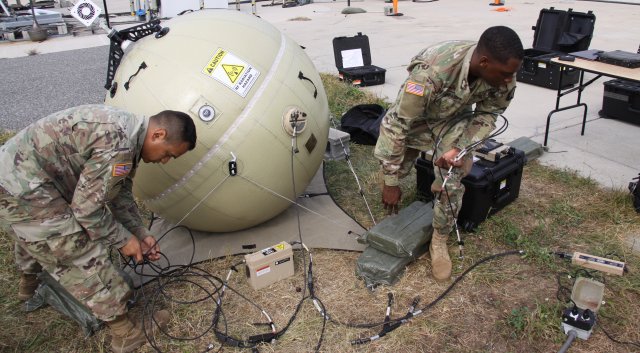
Garcia Bibian described numerous additional benefits from the TDM fielding.
“The new gear adds 4K video recording for creating better products as our current kit is limited to 1080p video format,” he said. “The Wi-Fi option allows the user to easily transfer still images to a digital device that can be used to edit on the road. Operating the camera via portable device adds capabilities that the older kit did not allow without expensive add-ons. This also helps to operate equipment from a distance, permitting recording of dangerous documentation.”
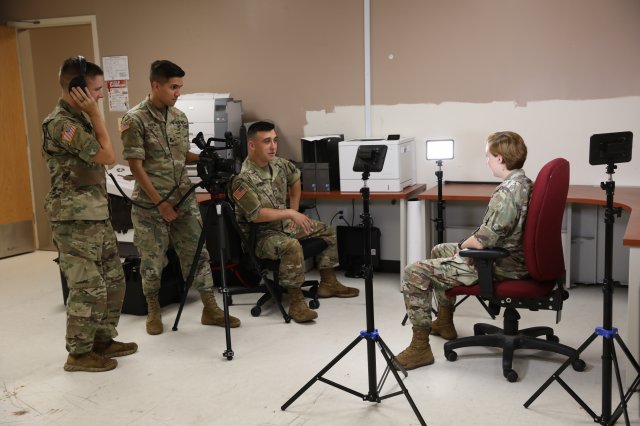
Establishing TDM as an Army program of record will enable the Army to purchase equipment in bulk, at less than wholesale prices, while removing many logistical burdens from units, Perkins said.
• Kits will be standard issue to units through centralized procurement funding to eliminate the need for purchasing gear through their own funds, which was often expensive and time consuming.
• Because the equipment is now standardized, training becomes easier, readiness will increase, and equipment will be easier to maintain.
• Specialized equipment tailored to a unit’s mission is now authorized. In addition, all kit components have national stock numbers to enable ordering through the standard Army supply system, which saves time and money.
“This program has delivered a right-sized capability package that is fully supportable through the Army’s organic supply system, which enables Soldiers to focus on the mission first,” Perkins said.