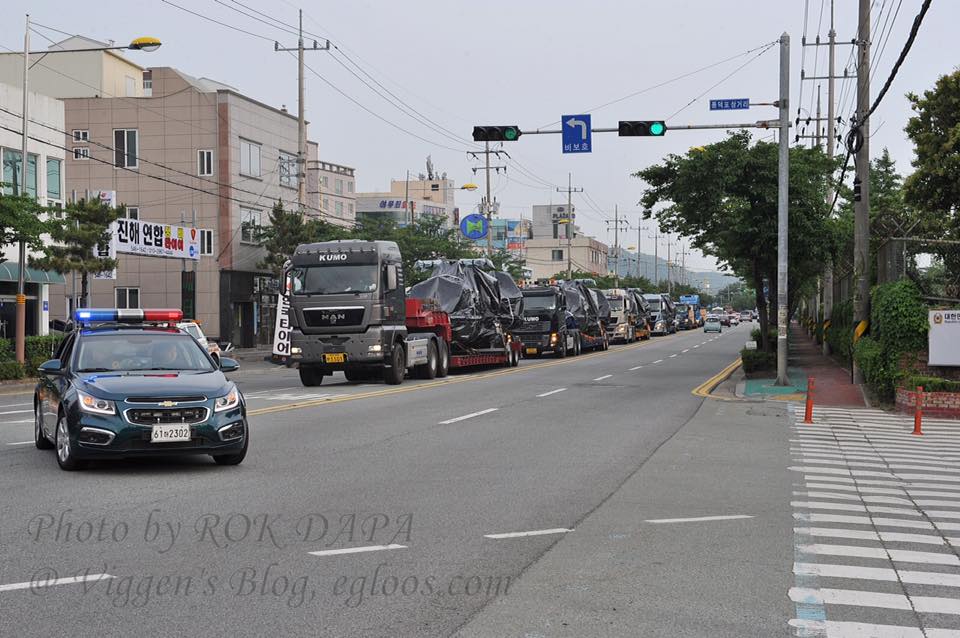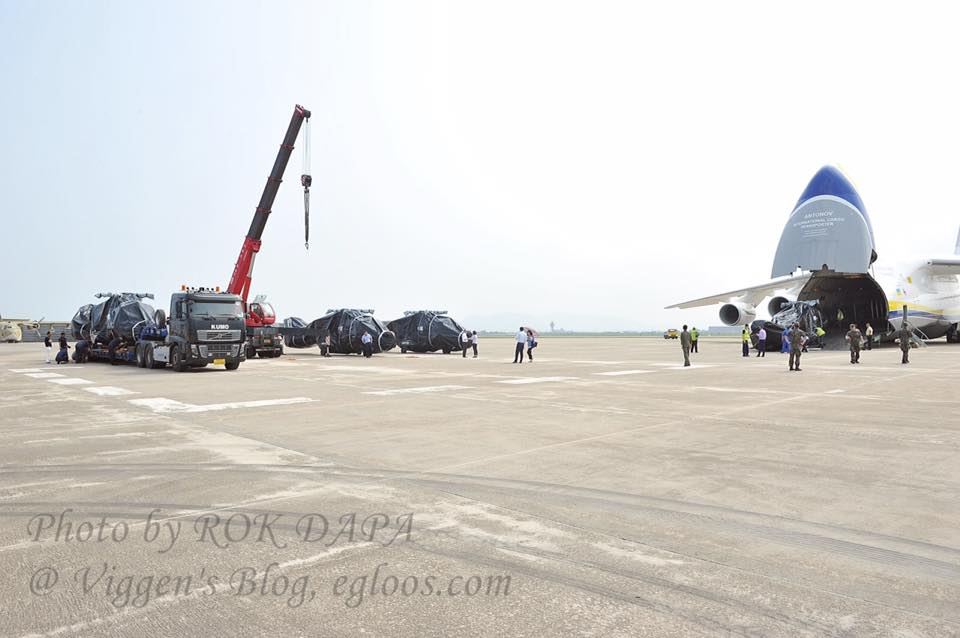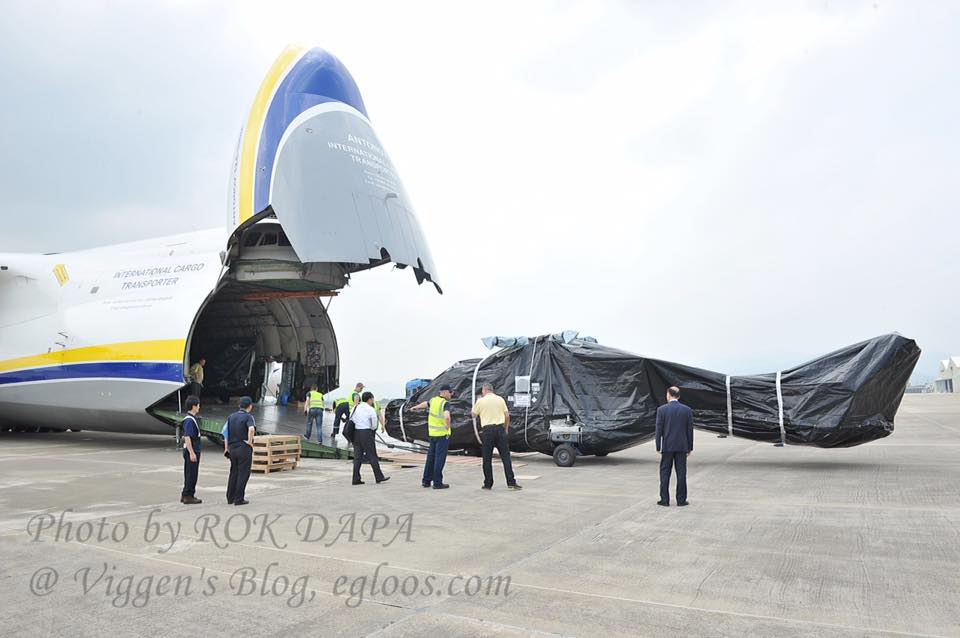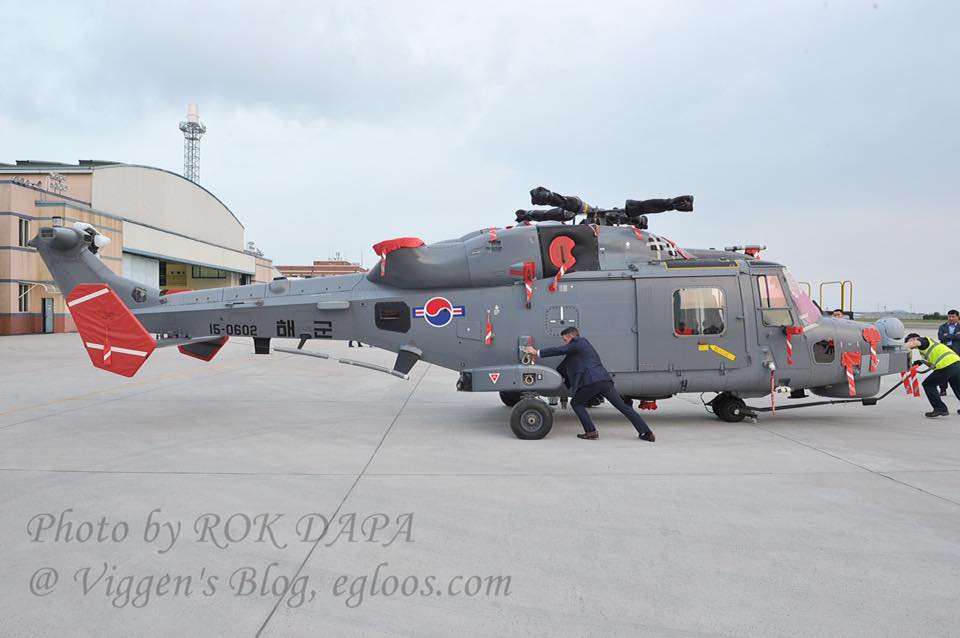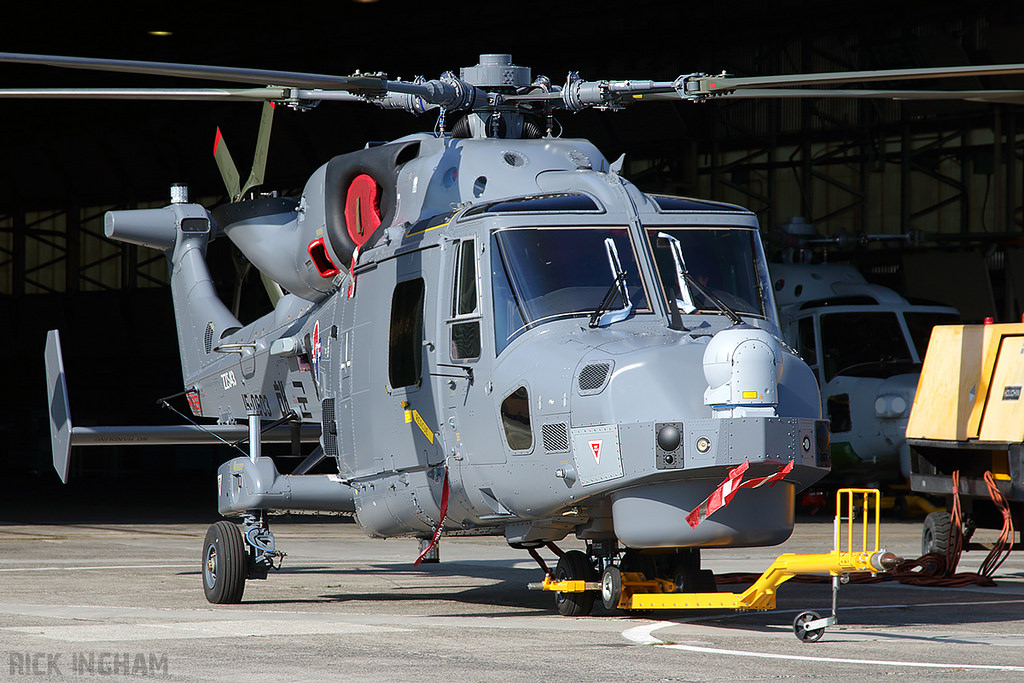
The South Korea Navy received its first four Wildcat ASW helicopters on Monday, South Korea’s Yonhap News Agency reported.
The Republic of Korea Navy (RoKN) has received its first batch of four AW159 shipborne anti-submarine warfare (ASW) helicopters from Ango-Italian defence company Leonardo-Finmeccanica.
The aircraft, which were delivered on 13 June, is part of an order for eight airframes announced in January 2013 under South Korea’s Maritime Operational Helicopter programme that seeks to boost the RoKN’s submarine prosecution capabilities. The helicopters are expected to be operated from the RoKN’s Incheon-class guided-missile frigates.
The AW159 Wildcat will serve in the ROK Navy in an anti-submarine warfare (ASW) role, though it is also capable of other missions such as anti-surface warfare (ASuW), intelligence surveillance and reconnaissance (ISR), and search and rescue (SAR). ASW aircraft – including helicopters as well as fixed-wing aircraft such as the P-3C, also in ROK Navy service – use sensors and weapons to detect, track, and damage or destroy enemy submarines.
South Korea’s new Wildcat helicopters are capable of flying for more than three hours and cover a range of up to 265 nautical miles (490 kilometers). The helicopter utilizes sonar and active electronically scanned array (AESA) radar to locate and track submarines. The Wildcat can also be armed with torpedoes, depth charges, and Spike NLOS missiles.
Currently, the ROK Navy has a total of 39 ASW aircraft including 16 P-3C Orion fixed-wing aircraft and 23 helicopters (11 Lynx Mk.99 and 12 Super Lynx Mk.99A). The Lynx and Super Lynx helicopters – built by the British Westland Helicopters before their merger with the Italian Agusta in 2000 – are the predecessors to the AW159 Wildcat.
The addition of the eight total AW159 Wildcats – including the four just received and the remaining four expected by the end of this year – will bring the number of ASW aircraft in the ROK Navy up to 47. Additionally, the ROK Navy has ordered 30 KUH-1 Surion helicopters – built by Korea Aerospace Industries (KAI) – some of which will be equipped for ASW.
South Korea is continually making efforts to improve the capabilities of the ROK Navy, both generally and to counter North Korea. Last week, the ROK Navy launched its most advanced frigate yet, the ROKSDaegu, capable of launching ground strikes on targets in North Korea.