

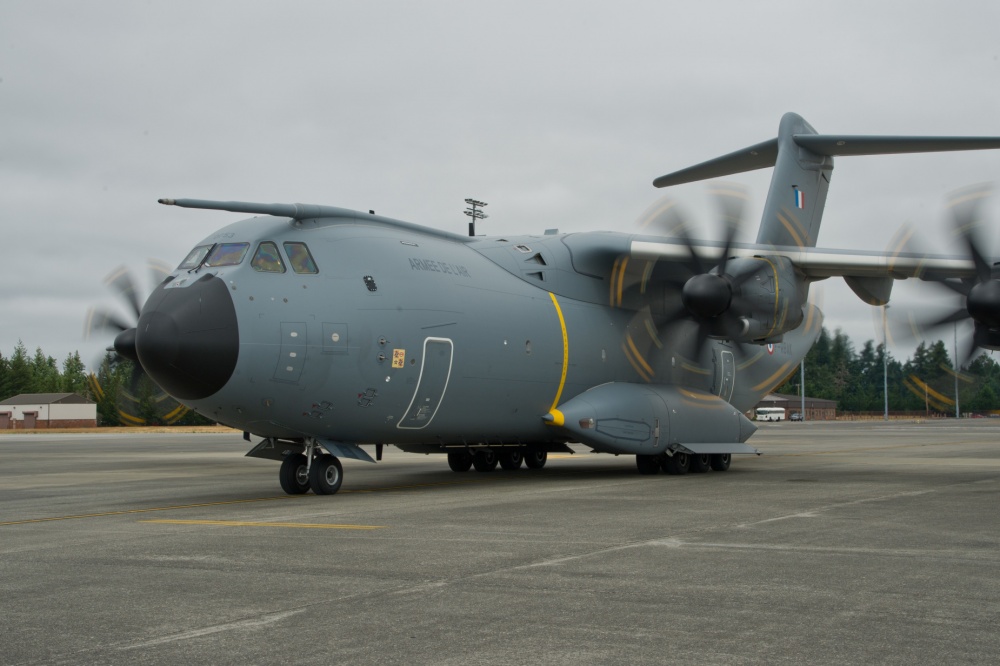
On 3 July, Fernando Alonso, Airbus’s head of military aircraft, said in an interview with a The Financial Times that ” the [A400M] programme’s troubled history is nearing its end”.
The industrial problems that hampered the programme and led to management changes in 2015 had been resolved, he said. This year, aircraft were being delivered “on the date that was planned, sometimes a little earlier”.
According to Airbus, the A400M transport aircraft is the most advanced, proven and certified airlifter available, combining 21st century state-of-the-art technologies to fulfill the current and upcoming Armed Forces’ needs.
But the largest buyer Germany has criticized Airbus for failing to do what it promised. Reuters released some details from the confidential German military report said about “critical” problems with new A400M.
In the report said there was a “significant risk” that the A400M would not meet all its tactical requirements. Problems included data such as fuel usage needing to be entered into multiple systems, meaning it could take up to 50 man-hours to plan medical evacuations and other missions, which the report said was “not acceptable” operationally.
The A400M has still not delivered four of the original capabilities required by customers: the ability to drop 58 paratroopers from each door simultaneously; aerial delivery of multiple types of cargo; a fully-capable self-defence system; and helicopter refuelling.
There were also “critical” problems with the production of sensor chips for the plane’s airborne warning system that had not been resolved.
Industry officials, in turn, privately blame some of the project’s problems on an over-ambitious wish list from buyer nations, designed in some cases to support local jobs.
Germany has been one of the most vocal critics of Airbus and its handling of the programme. But a spokesman for the German defence ministry told the Financial Times that, despite dissatisfaction over the lack of certain capability, “the difficulties in terms of production and delivery have now largely been overcome”.
But Airbus is still paying heavy penalties — estimated by one analyst at as much as €1m per aircraft a month — for both the capability shortfalls and the delays to resolving them.