

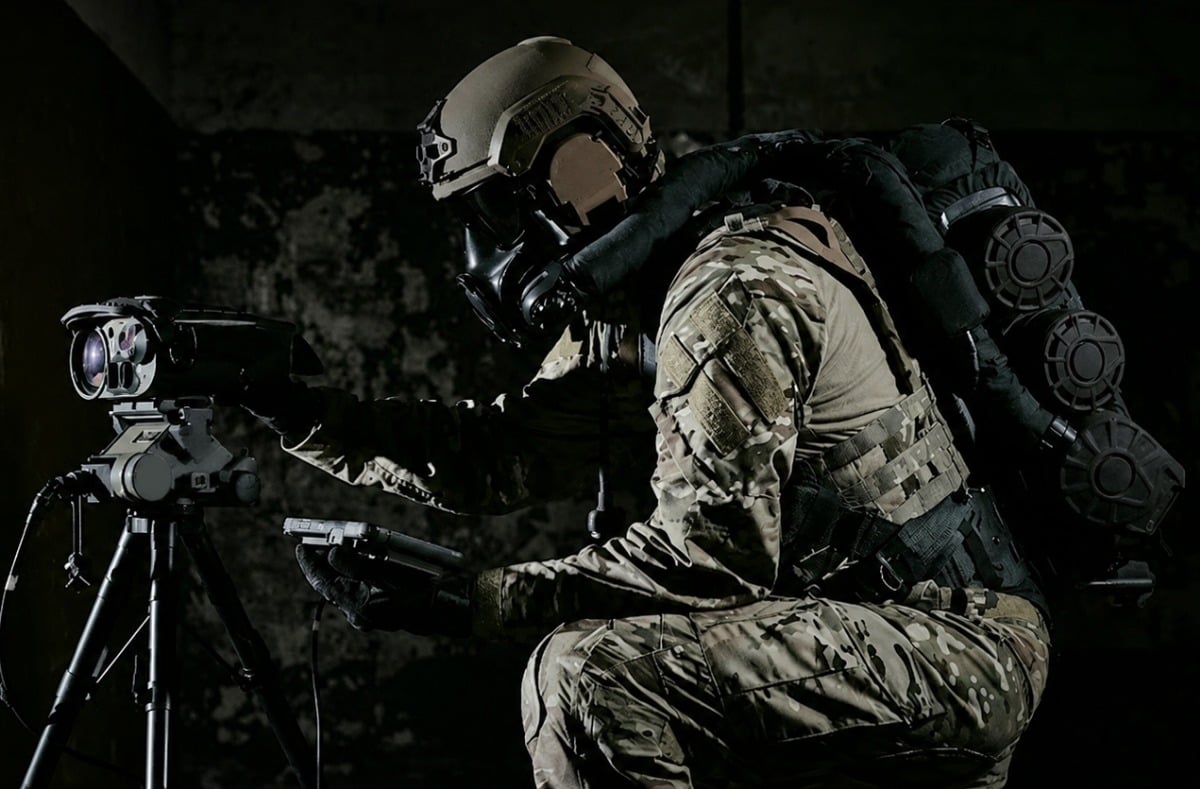
- Team Wendy Ceradyne received over $40 million in delivery orders from the U.S. Army and Defense Logistics Agency under the NG-IHPS helmet contract on June 26, 2026.
- Team Wendy secured the highest share of delivery orders from both agencies in competition, under a contract originally awarded in September 2021.
The U.S. Army and the Defense Logistics Agency have placed more than $40 million in new helmet orders with Team Wendy Ceradyne, the American helmet division of British protective equipment company Avon Technologies, under a contract that has been equipping American soldiers with next-generation head protection since its original award in September 2021.
The delivery orders, announced June 26, 2026, flow through the Next Generation Integrated Head Protection System contract, known as NG-IHPS, the U.S. Army’s primary program for replacing the Advanced Combat Helmet that has been the standard American military helmet since 2003. The NG-IHPS program represents the most significant overhaul of American soldier head protection in two decades, driven by advances in ballistic materials, improved understanding of blast traumatic brain injury, and the operational requirement to integrate helmets more effectively with night vision devices, communications systems, and other soldier-worn equipment that has proliferated across infantry kit. The Army Contracting Command and the Defense Logistics Agency, which manages the supply chain distribution of military equipment to units and individuals across the armed forces, both placed orders under the contract, and Avon Technologies says Team Wendy secured the highest share of delivery orders from both agencies in competition against other approved suppliers.
Team Wendy, headquartered in Cleveland, Ohio, and now operating as Team Wendy Ceradyne following its integration with 3M’s Ceradyne ballistic materials division, has been one of the primary suppliers of advanced military helmets to American and allied forces for more than a decade. The company’s EXFIL line of helmets, developed originally for special operations forces who needed lighter weight and better night vision device compatibility than the standard issue Advanced Combat Helmet provided, established Team Wendy’s reputation in the high-performance military helmet market before the NG-IHPS contract brought the company into the broader Army acquisition program. Ceradyne, which 3M acquired in 2012 before the combined entity was folded into Avon Technologies, brought advanced ceramic and composite armor materials expertise that strengthens the combined organization’s position in ballistic protection development.
The NG-IHPS program was designed to deliver meaningful improvements across multiple performance dimensions simultaneously. Ballistic protection improved over the Advanced Combat Helmet through the use of advanced ultra-high-molecular-weight polyethylene composites and ceramic materials that stop higher-velocity fragments and reduce the weight burden on soldiers who wear helmets for extended operational periods. The NG-IHPS also incorporated enhanced blast protection features informed by research into traumatic brain injury accumulated from the Iraq and Afghanistan conflicts, where improvised explosive devices exposed hundreds of thousands of soldiers to blast overpressure events that the previous generation of helmets was not specifically designed to mitigate. Integration with the Army’s broader Soldier as a System architecture allows NG-IHPS helmets to accommodate modular accessories including enhanced night vision goggles, ballistic visors, hearing protection, and communications hardware through standardized mounting and interface points.
The competitive dynamics of the NG-IHPS contract matter to understanding what this delivery order announcement represents beyond a revenue figure. The NG-IHPS contract structure allows multiple qualified suppliers to compete for individual delivery orders rather than awarding a single source all production, which means each delivery order cycle involves active competition among approved helmet manufacturers. Winning the highest share of both Army Contracting Command and Defense Logistics Agency orders in the same cycle against that competition provides a stronger signal of product and execution quality than a sole-source award would, because it reflects customer preference exercised under real competitive pressure rather than the absence of alternatives.
Jos Sclater, Chief Executive Officer of Avon Technologies, addressed that competitive context directly. “Securing the highest share of both DLA and ACC delivery orders against competition is a strong endorsement of Team Wendy’s product performance and improving operational execution. These awards build our order book and provide important long-term visibility, underpinning our confidence in the Group as we continue to deliver and strengthen our position with the US DoW,” Sclater said.
A soldier’s helmet is among the most personal pieces of equipment the military issues, worn in direct contact with the head for hours or days at a stretch and trusted to stop a fragment or round that arrives without warning. The engineering that goes into that object, and the competition to supply it to the world’s largest military, is considerably more demanding than the simplicity of the finished product suggests.