

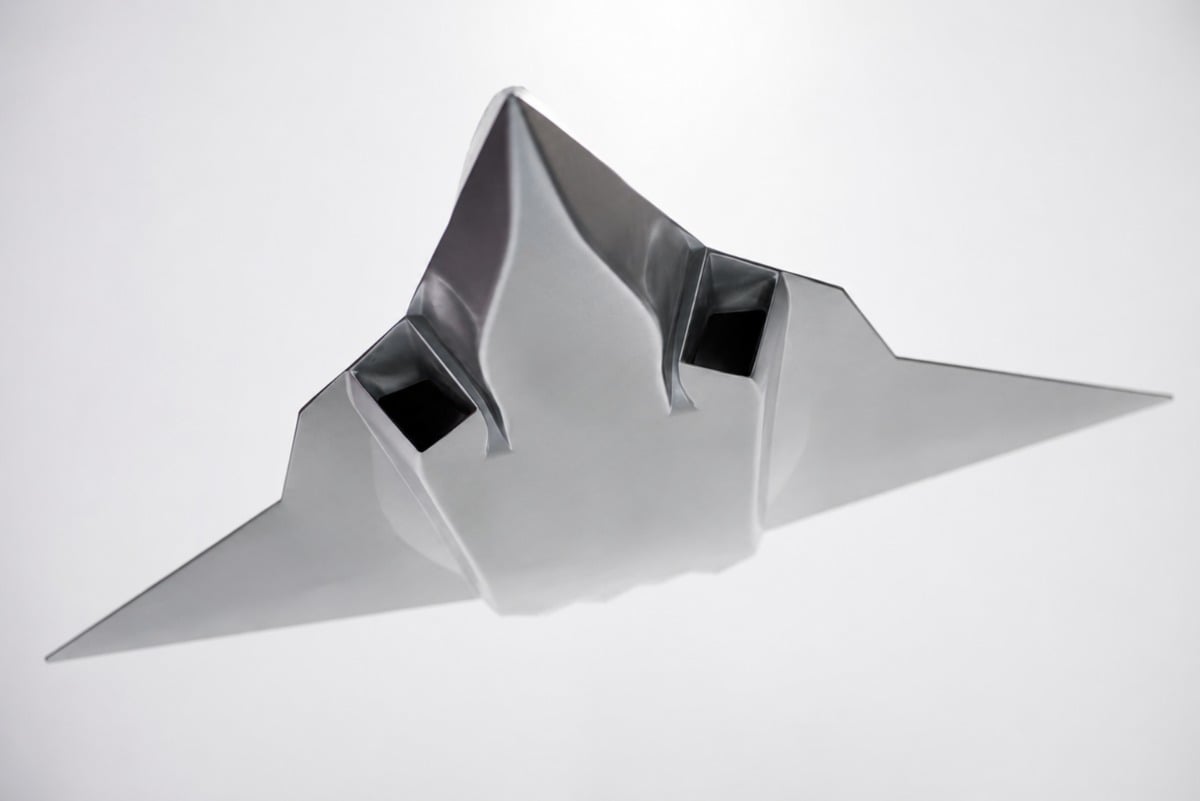
- Germany and France decided on June 8, 2026, to cancel the FCAS fighter jet program after Airbus and Dassault failed to agree on industrial workshare and aircraft requirements.
- The Combat Cloud networked systems component of FCAS will continue; the crewed next-generation fighter, estimated to cost over $110 billion, is abandoned.
Germany and France have jointly decided to abandon the fighter jet component of the Future Combat Air System, known as FCAS, after years of industrial disputes between Airbus and Dassault Aviation proved impossible to resolve, according to Der Tagesspiegel.
German Chancellor Friedrich Merz and French President Emmanuel Macron reached a shared conclusion that Airbus and Dassault could not find common ground on building a joint next-generation combat aircraft. Merz recommended to Macron that the two countries stop pursuing a shared fighter jet, and Macron agreed.
The decision does not kill FCAS entirely: both governments say they intend to continue working on the Combat Cloud component of the program, a networked architecture designed to connect different weapons systems, platforms, and sensors into a unified operational picture. But the aircraft itself, the central and most expensive element of what was planned to be the largest and costliest defense program in European history, is finished.
FCAS was launched in July 2017 by then-Chancellor Angela Merkel and Macron as a flagship symbol of Franco-German defense cooperation and European strategic autonomy. The program was intended to replace both Germany’s Eurofighter Typhoon fleet and France’s Rafale fighters from around 2040, fielding a sixth-generation crewed aircraft operating in conjunction with armed and unarmed drone wingmen and supported by the Combat Cloud battle management network. Spain and its defense electronics company Indra joined the program as the third partner nation. Total estimated program costs had been put at more than $110 billion, making it by far the most expensive European defense initiative ever attempted.
The proximate cause of the collapse was an irreconcilable dispute between Airbus, which leads the German and Spanish industrial contribution, and Dassault Aviation, France’s primary combat aircraft manufacturer and maker of the Rafale. Dassault had sought both a disproportionate share of the industrial work and overall program leadership, while Germany pushed back with the expectation that Dassault honor existing agreements under which the companies would share work equally. The dispute over industrial workshare had flared repeatedly since the program’s early stages and was never definitively resolved, generating delays and political uncertainty at every milestone.
Beyond the industrial argument, Merz identified a deeper problem: Germany and France actually need different aircraft. France requires its next-generation fighter to be capable of carrying nuclear weapons, reflecting France’s independent nuclear deterrent, and to operate from aircraft carriers, which the French Navy operates and Germany does not. The Bundeswehr needs neither capability. Germany proposed resolving the requirement divergence by developing two distinct aircraft under the FCAS umbrella, one meeting French requirements and one meeting German ones, sharing common systems where possible. France rejected the proposal. Without a shared airframe concept, the program had nowhere left to go.
The political damage extends well beyond the industrial failure. Macron has spent years positioning himself as the leading advocate for European strategic autonomy and joint European defense capability, repeatedly arguing that European nations must reduce their dependence on American military technology and develop sovereign alternatives. FCAS was the most visible symbol of that agenda, a European sixth-generation fighter built without American involvement that would keep European aerospace industry at the technological frontier for decades. Its collapse at the hands of an industrial dispute between two French and German companies, over workshare percentages and national requirements that were knowable from the program’s inception, represents a significant personal and political setback for Macron as one of the initiative’s original architects.
For Germany, the failure carries its own complications. Berlin has been navigating a difficult balancing act between its traditional preference for multilateral European defense cooperation and the urgent practical demands of rearmament following Russia’s invasion of Ukraine. Chancellor Merz has been more direct than his predecessor about Germany’s need to rebuild military capability quickly, and the FCAS collapse may accelerate German consideration of alternative paths including continued Eurofighter development or deeper interoperability with the American F-35 program, which several of Germany’s NATO allies already operate.
Madrid had invested politically and industrially in the program through Indra’s participation, and Spanish officials have not yet indicated how they intend to respond to the Franco-German decision. Whether Spain pursues the Combat Cloud component alongside Germany and France, seeks a separate bilateral arrangement with one of the two leading partners, or begins evaluating entirely different options is one of the significant open questions the June 8 announcement leaves unresolved.
The Combat Cloud that both governments say they want to continue developing is not a trivial consolation prize. A genuinely interoperable network connecting the sensors, effectors, and command systems of different European air forces would deliver meaningful capability even without a new shared airframe, and the underlying software and integration work already done under FCAS retains value. But the Combat Cloud without the aircraft it was designed to center on is a different and considerably less ambitious program than FCAS was at its peak. Europe’s fighter gap, the generational transition from legacy platforms to sixth-generation capability, will now be filled by some combination of continued national programs, American platforms, and bilateral arrangements that were not part of the plan Merkel and Macron announced nine years ago.