


The Serbian Armed Forces have been spotted rehearsing with one-way attack drones developed by UAE-based EDGE Group, ahead of the “Unity of Strength” military parade scheduled for September 20 in Belgrade.
Footage from the rehearsal reveals the presence of two loitering munitions, the Shadow 50 and Shadow 25, marking the first known public appearance of these systems in Europe.
The Shadow 50 is a propeller-driven drone capable of carrying up to 50 kilograms of payload over a distance of 250 kilometers at speeds of up to 167 kilometers per hour. It has been described by defense observers as a lighter counterpart to Iran’s Shahed-136, also known in Russia as Geran-2.
The Shadow 25, by contrast, is a jet-powered variant with a 25-kilogram warhead and a top speed of 400 kilometers per hour, designed for faster and more targeted strikes. Both drones appear to be launched from mobile trailer-based platforms, enhancing their deployability and operational flexibility.
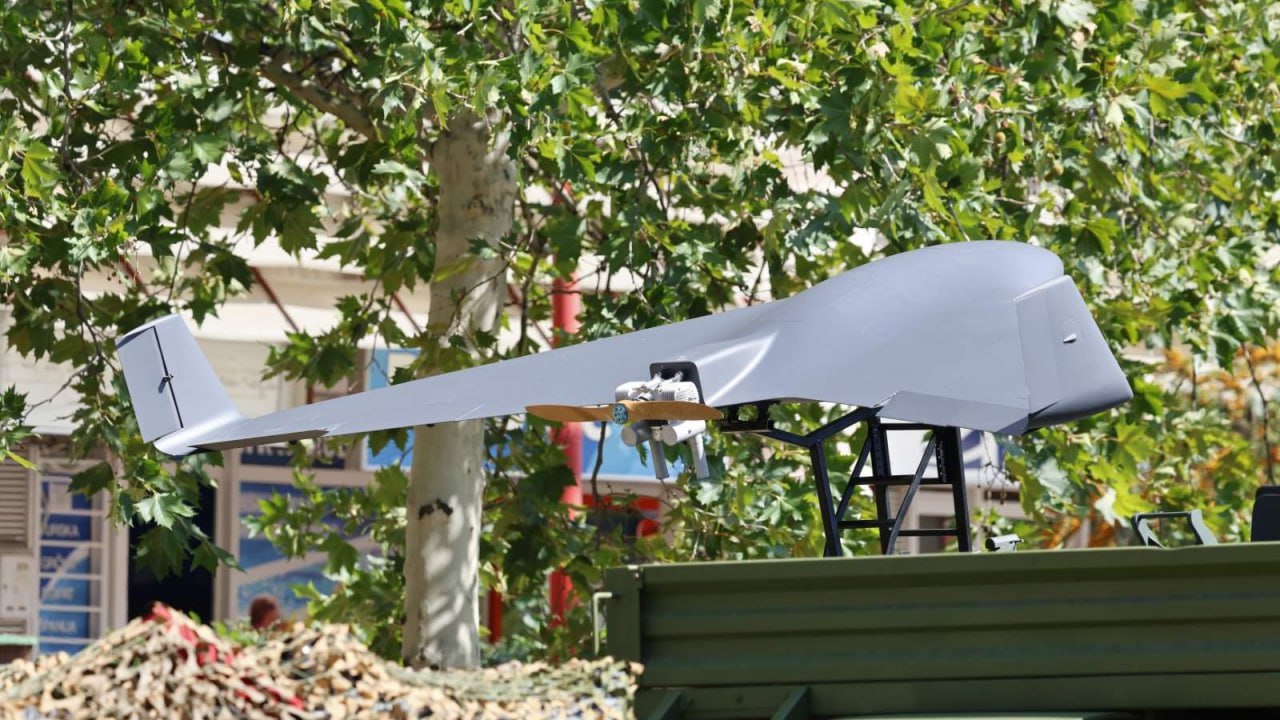
In July 2025, EDGE signed a series of strategic agreements with Hungary’s 4iG Space and Defence Technologies to develop and market advanced military systems across European and African markets. The partnership, announced during an official UAE state visit to Budapest, laid the groundwork for the joint promotion of systems including the SHADOW 25 and SHADOW 50, the SKYKNIGHT air defense missile, and air traffic control solutions.
According to EDGE, the collaboration aims to address both asymmetric and conventional threats, and the loitering munitions on display in Serbia reflect this dual-purpose capability.
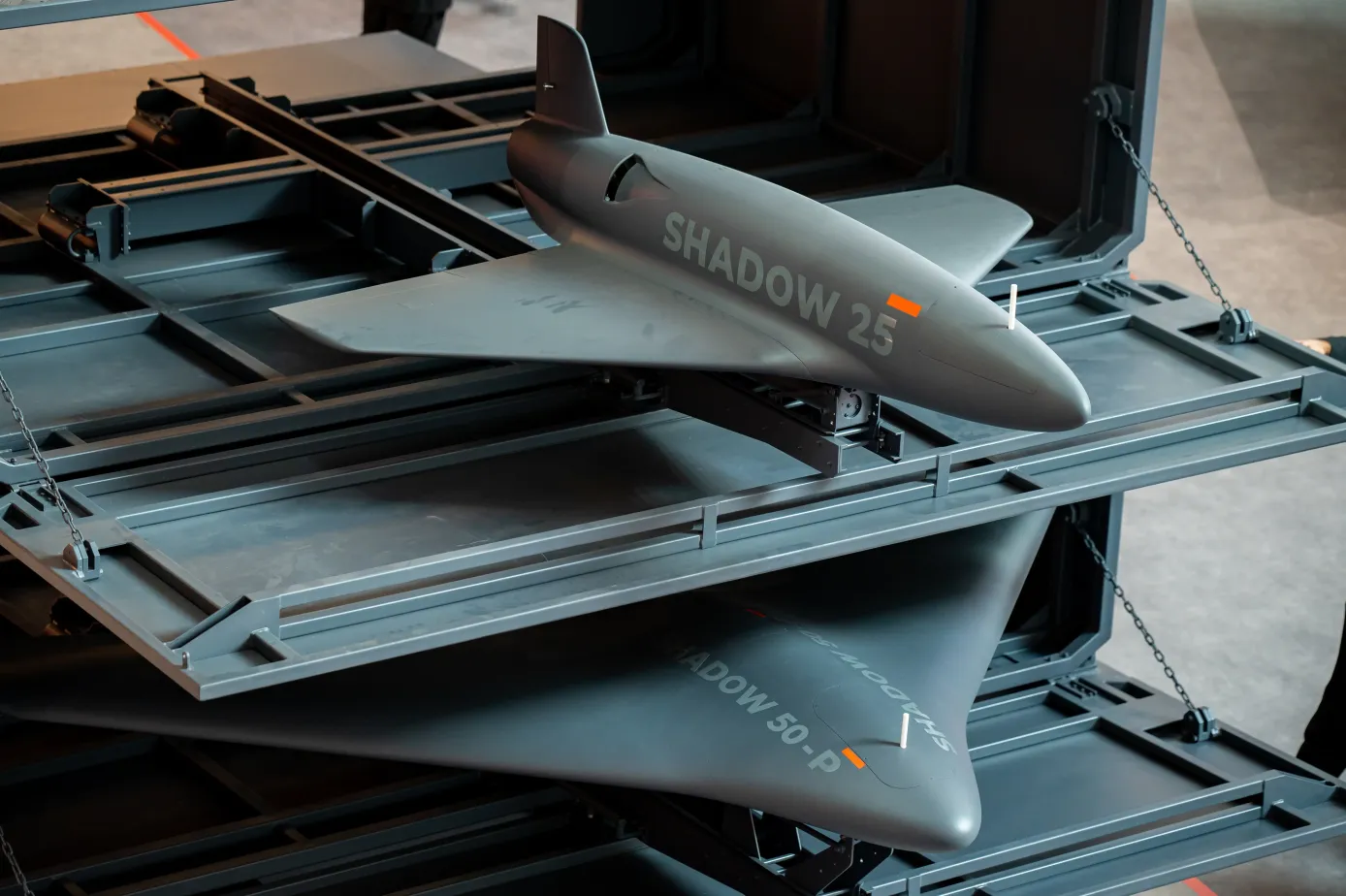
The introduction of these drones into Serbia’s public military showcase is seen as a move to deepen technological ties between the UAE and countries in Central and Eastern Europe. The agreements also allow EDGE to expand its reach into NATO-aligned markets, despite the group’s base in a non-NATO country.
While Serbian authorities have not officially confirmed the acquisition or operational status of the SHADOW drones, the appearance of the systems during parade rehearsals signals either a pending procurement or an advanced stage of cooperation with the UAE-based manufacturer.
As regional tensions grow and drone warfare becomes increasingly prominent in modern conflict, Serbia’s apparent interest in one-way attack drones adds another layer to the evolving defense landscape in the Balkans.