

Election authorities in Venezuela have announced that 95% of referendum participants have endorsed territorial claims on a substantial part of the neighboring oil-rich country, Guyana.
Venezuela’s President Nicolas Maduro termed this as a “convincing victory” for the “yes” vote across Venezuela, according to international agencies.
Elvis Amoroso, the president of the National Electoral Council, stated that nearly 10.5 million out of 20.7 million Venezuelan voters cast their ballots in favor of the referendum.
The referendum outcome has raised concerns in Guyana and the broader region regarding Venezuela’s ultimate intentions.
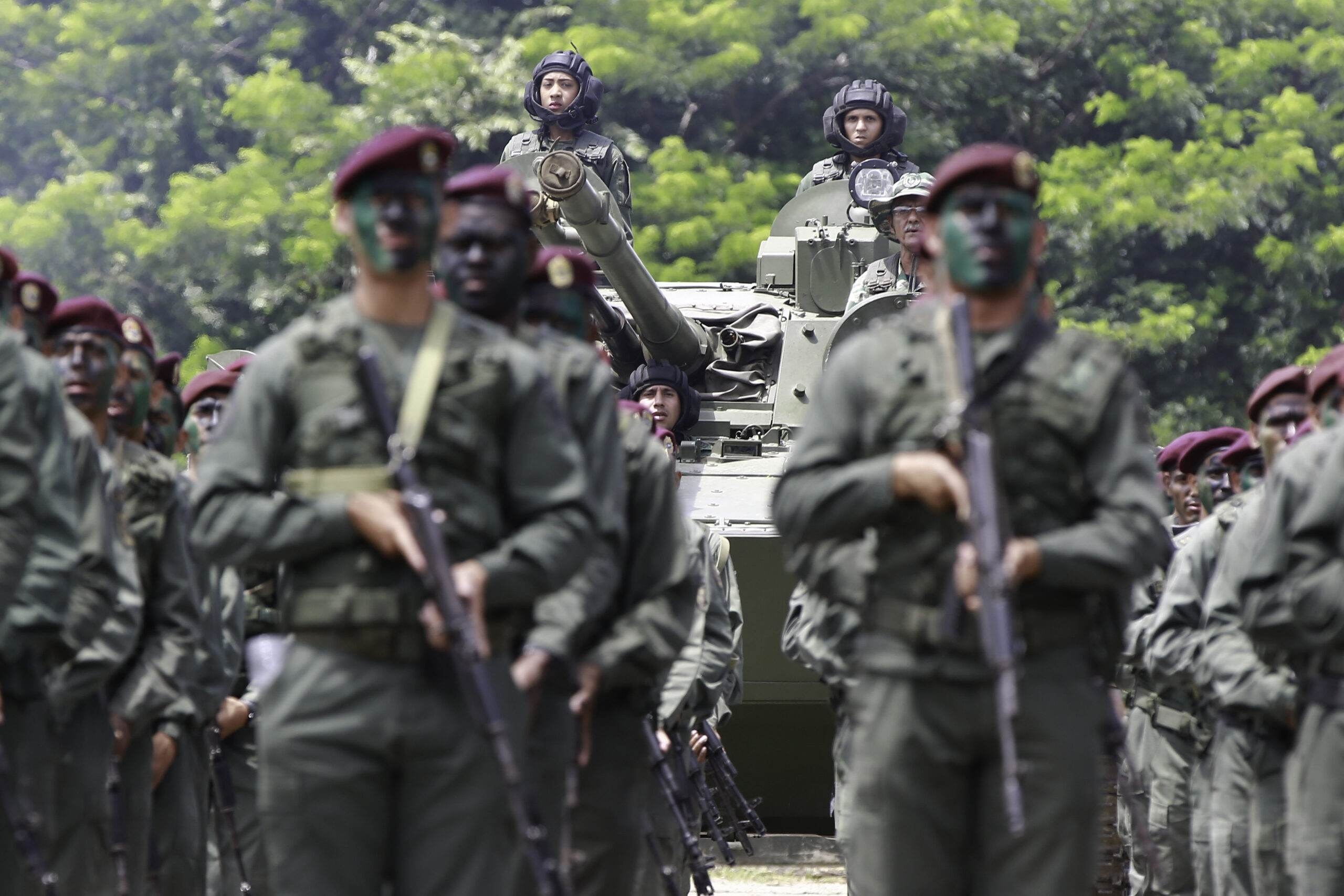
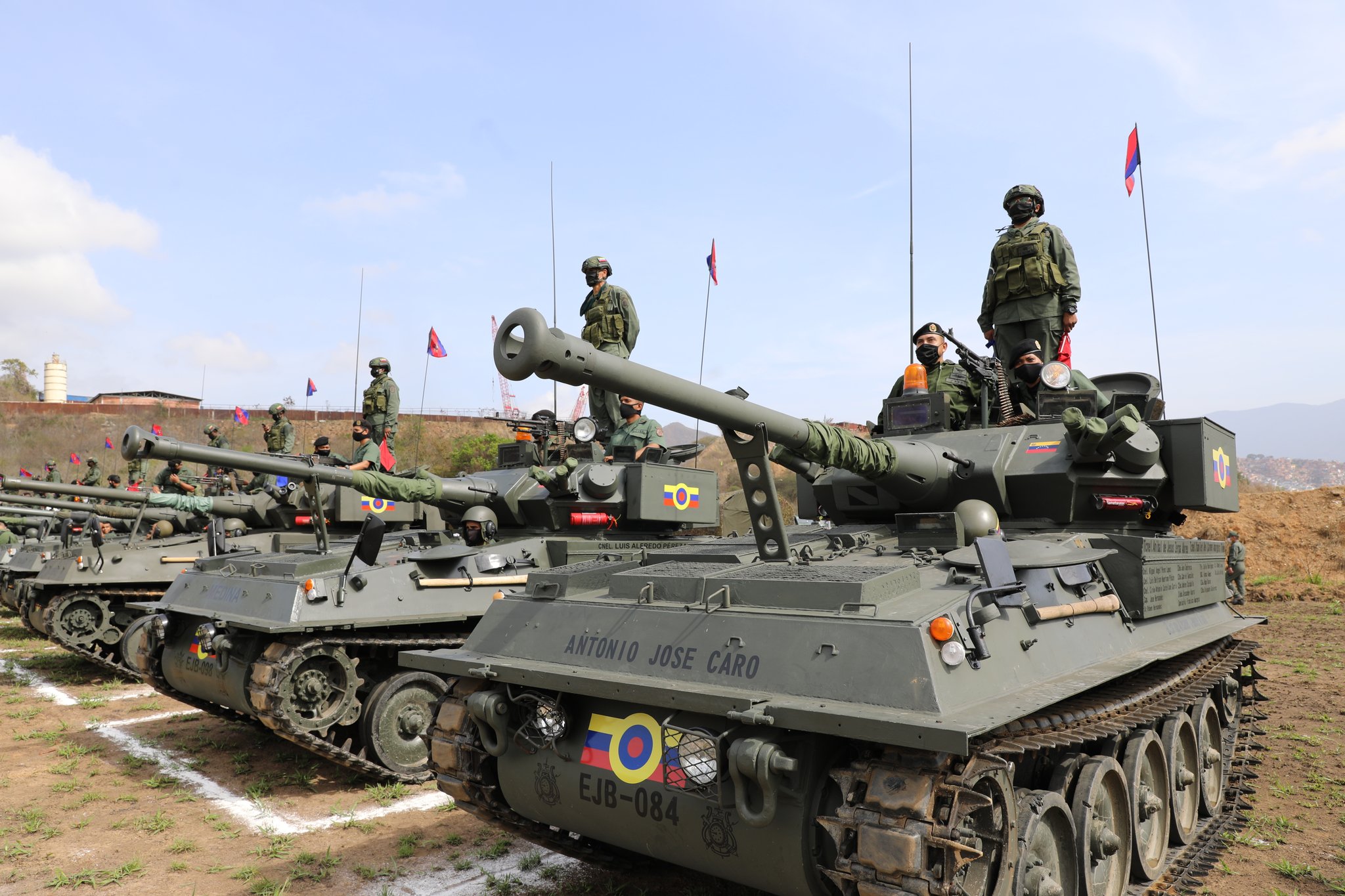
In a potential armed conflict for territory, Venezuela would hold a significant advantage over Guyana. Brazilian analyst Thiago de Aragão highlighted Venezuela’s much larger military potential compared to Guyana, which has approximately 3,000 military personnel. Venezuela reportedly boasts 123,000 military personnel distributed across multiple regiments, including 173 main battle tanks like the outdated AMX-30 and relatively new T-72B1, alongside reconnaissance vehicles, infantry fighting vehicles (IFVs), and armored personnel carriers (APCs), as well as heavy rocket artillery systems.
Venezuela’s active military personnel count of 123,000 exceeds Guyana’s contingent by 36 times, central to the territorial dispute between the two nations. Statistics from the International Institute for Strategic Studies in 2023 delineate that out of these, 63,000 belong to the army, 25,550 to the navy, and 11,550 to the air force, with an additional 23,000 constituting the National Guard.
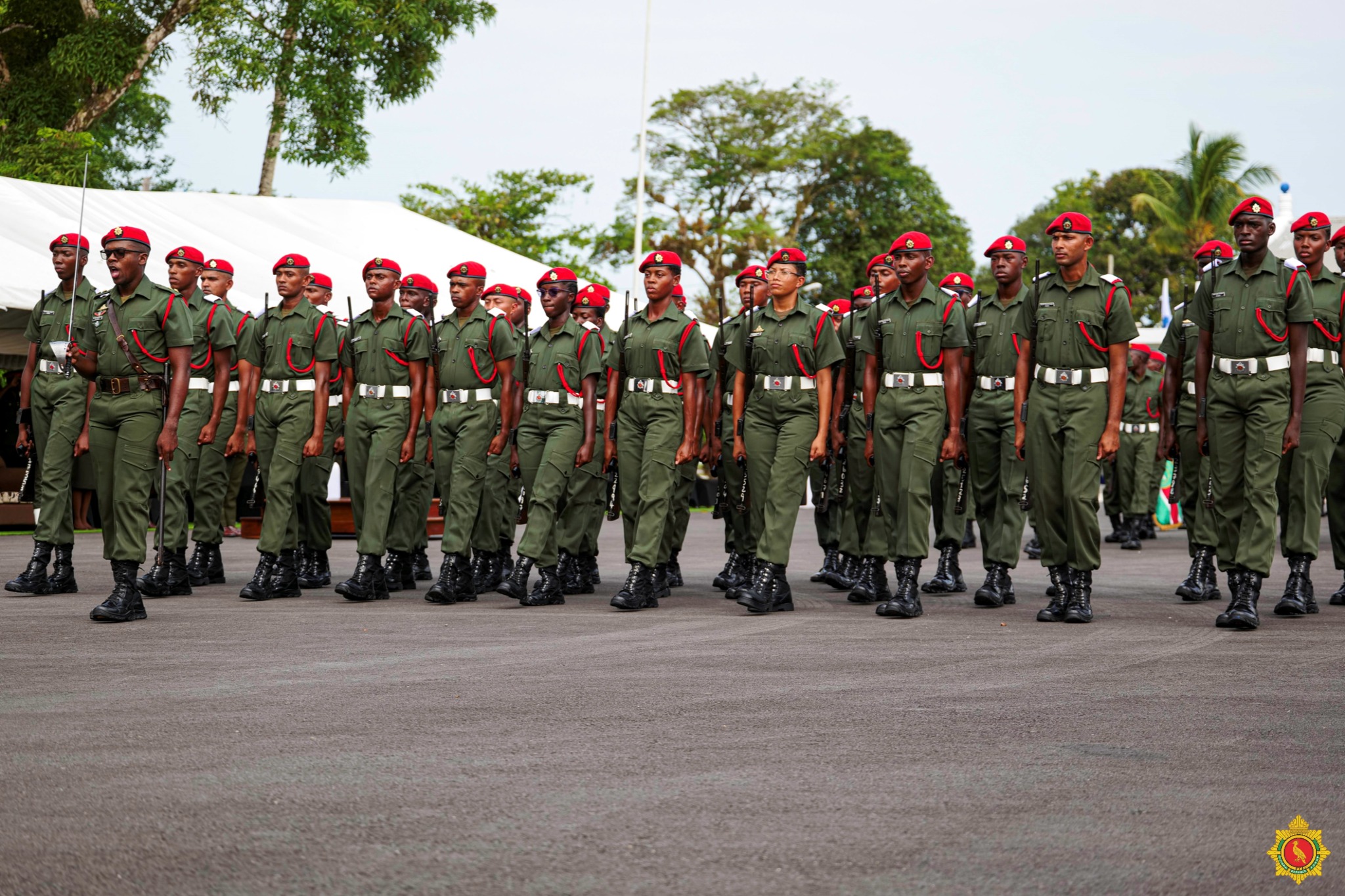
In contrast, Guyana’s 3,400 active military personnel include 3,000 from the army, 200 from the navy, and 200 from the air force. Notably absent are heavy weaponry systems, comprehensive air defense systems, and military aviation.
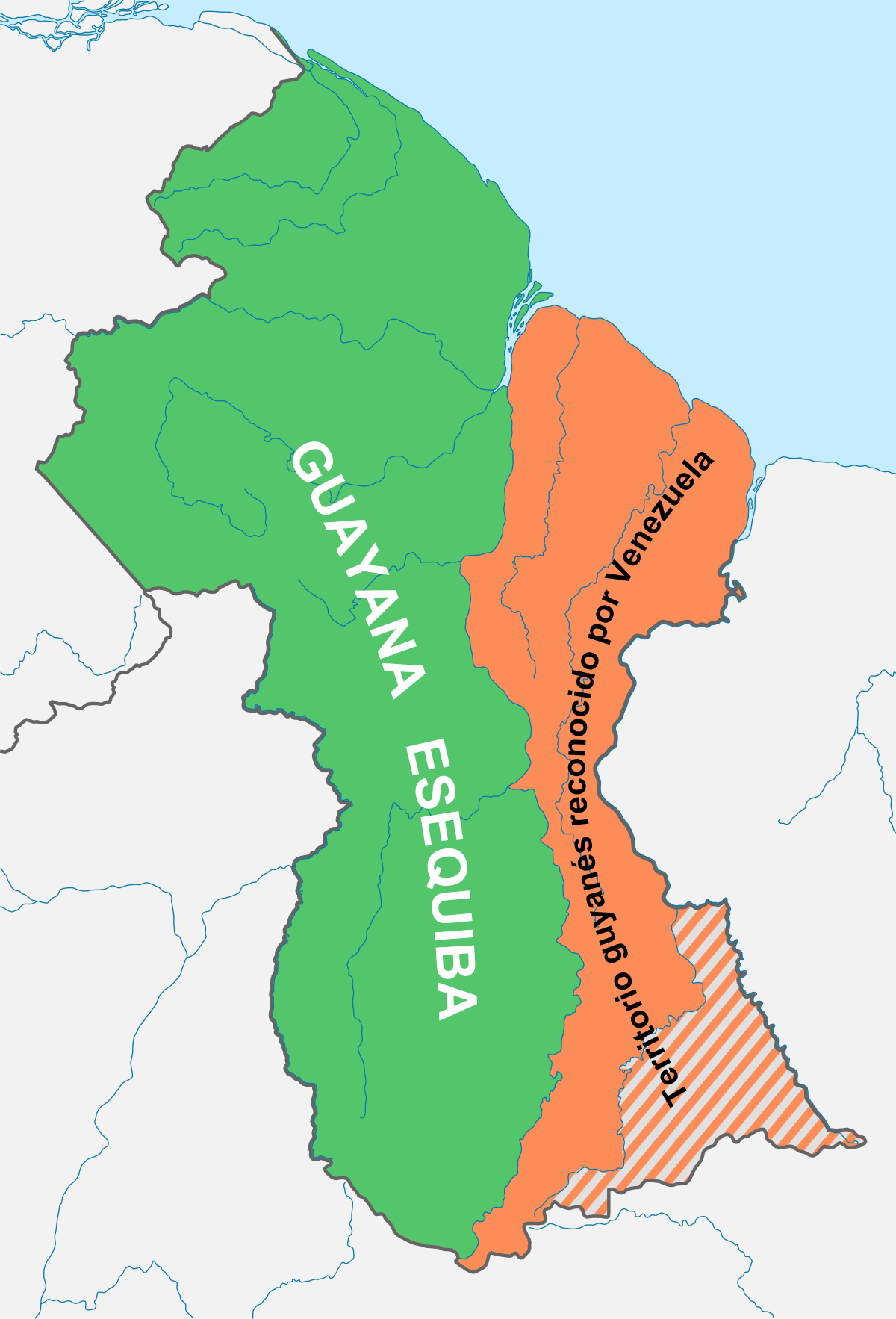
The longstanding dispute between Venezuela and Guyana over the Essequibo region, ongoing for over a century, encompasses an area of 160,000 square kilometers, presently under Guyana’s control. This territory represents 74% of the neighboring country’s land, abundant in oil and mineral resources, with access to the Atlantic Ocean. Guyana spans an area of 214,969 square kilometers with a population of 800,000 inhabitants. Its official languages are English and regional dialects, and its currency is the Guyanese dollar.
Reports surfaced in October 2023 indicating Venezuelan military construction of a runway near the Guyana-Essequibo border, aiming to develop the region. Additionally, there are indications of Venezuela constructing a new road to the Essequibo territory. The dense forests in the region pose as formidable obstacles, complicating any military actions.
#FANB reparando vías de aproximación guayanesas y deltanas !
Para nosotros la patria es primero ! #VictoriaEsequiba pic.twitter.com/PlmkMrmDvB— GJ. Domingo Hernández Lárez (@dhernandezlarez) December 5, 2023
Presently, no military movements toward the border or preparatory measures for potential invasion by Venezuela have been observed. Some analysts suggest that these actions are an attempt to redirect attention. Maduro, facing re-election amid a severe economic crisis next year, hopes that the referendum’s outcome will bolster his support among voters and divert attention from domestic issues.
It remains unclear what steps the Venezuelan government will take to enforce the referendum’s outcome, and any attempt to uphold its claim will undoubtedly face international resistance. Nevertheless, the escalating rhetoric prompted troop movements in the region and aggressiveness in both countries, leading Guyanese leaders to liken it to Russia’s invasion of Ukraine.