


U.S. Army declares operationally suitable of next-gen threat warning system after successful test

The U.S. Army approved series production of the new threat warning system to protect aircraft from infrared-guided missiles.

U.S. Defense giant Northrop Grumman Corp. announced that the U.S. Army has declared the Common Infrared Countermeasure (CIRCM) missile defense system operationally suitable, effective and ready for full-rate production following a successful six-month initial operational test and evaluation.

“Through our partnership with the U.S. Army and our suppliers, we have already delivered over 100 production systems,” said Bob Gough, vice president, navigation, targeting and survivability, Northrop Grumman. “The successful completion of IOT&E confirms CIRCM’s readiness for full-rate production.”

- ADVERTISEMENT - CONTINUE READING BELOW -

CIRCM’s dual-jammer configuration helps to protect aircrews while providing the highest level of aircraft survivability. The CIRCM system provides protection against a wide range of infrared-guided anti-aircraft missile threats, including shoulder-fired and vehicle-launched.
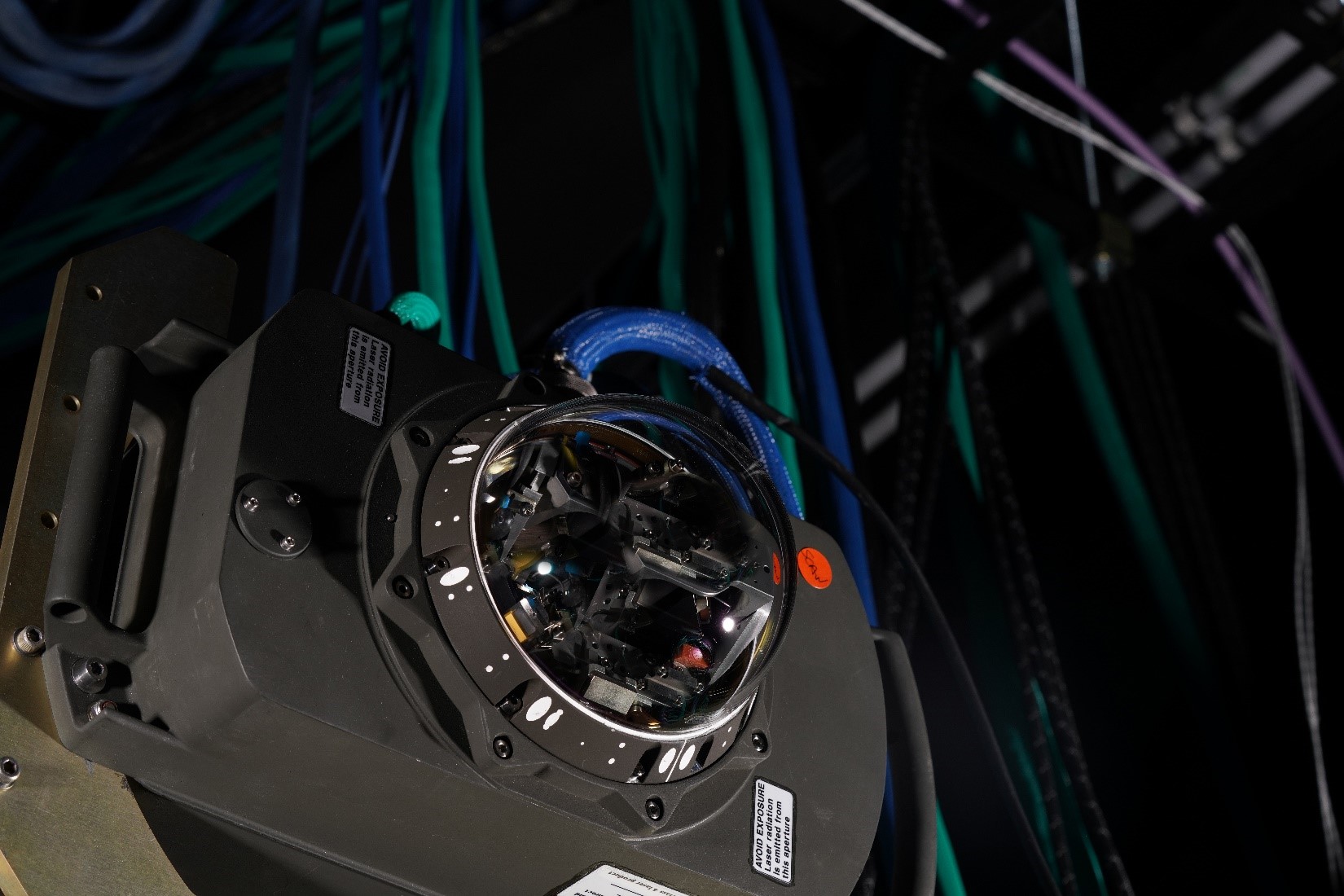
During the rigorous testing, the system was flown through a multitude of scenarios and environments to assess CIRCM’s ability to detect, engage and defeat threats. The system rapidly defeated all threats during IOT&E, proving it is ready to support the complex missions of the U.S. Army.

In addition to baseline performance, the system’s next-generation open architecture design will enable rapid and timely capability enhancements to keep pace with changing mission needs.

Northrop Grumman also leverages digital engineering technologies and lean-Agile methodologies to deliver continued system improvement throughout CIRCM’s lifecycle to counter new and evolving threats.

Readers who wish to follow our weekly coverage can subscribe to the Weekly Defense Roundup.

If you wish to report a grammatical or factual error in this article, please let us know by using the online form.

Executive Editor

Support The Defence Blog

Independent reporting takes resources. Join us on Patreon.

Become a patron

More Like This

U.S. Marines test drove their future reconnaissance vehicle

The U.S. Marine Corps' Program Manager Light Armored Vehicles held what the service calls a Marine Touchpoint event last month for the Advanced Reconnaissance...

Sikorsky and BETA team up on unmanned supply aircraft

A helicopter maker and an electric aircraft startup just proved they can bolt cutting-edge autonomy software onto a brand-new aircraft in under two weeks,...

Lockheed’s new drone killer packs a microwave weapon

Lockheed Martin unveiled MORFIUS X-Rotor at the Farnborough International Airshow, an airborne counter-drone system built around a high-power microwave weapon that the company says...

Anduril develops unmanned attack helicopter

Anduril just unveiled a helicopter-killer's replacement: a pilotless attack aircraft built specifically because attack helicopters have become too dangerous to fly. The defense technology company...

X-Bow develops mass-producible interceptor under $100,000

X-Bow Systems unveiled Buckler, a flight-tested interceptor built to shoot down Group 3 drones at supersonic speeds, with the company pricing the weapon below...

US Army reportedly deploys new hypersonic missile to Guam

Photos released by a U.S. Army unit this week appear to show America's newest hypersonic missile system training somewhere in the Pacific, and one...