


A top-secret U.S. government body called the Defense Advanced Research Projects Agency (DARPA) has announced that it to move to a new phase of the intermediate-range hypersonic ground-launch weapons program and bringing it one step closer to a full-scale flight testing.
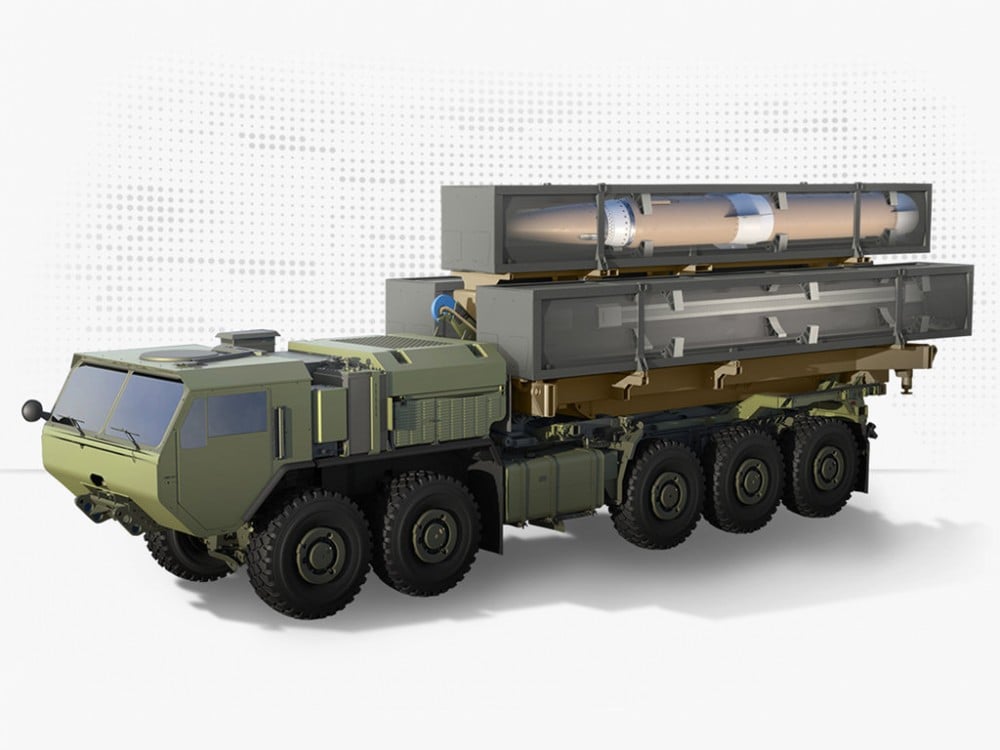
According to a statement, DARPA’s Operational Fires (OpFires) program, which is developing a ground-launched intermediate-range hypersonic weapons system, is advancing to a new phase. It involves full-scale missile fabrication, assembly, and flight testing.
Phase 3b will involve full-scale missile fabrication, assembly, and flight testing from a launch vehicle. Lockheed Martin Missiles and Fire Control was awarded this new contract modification after leading a successful Phase 3a integrated system preliminary design review that resulted in a comprehensive design and test plan.
“The objectives of DARPA’s OpFires program remain unchanged. The system design that Lockheed is developing continues to achieve the desired tactical mobility and system performance in line with the Department of Defense’s push to deliver an intermediate-range surface-to-surface missile,” said Lt. Col. Joshua Stults, the DARPA program manager for OpFires in DARPA’s Tactical Technology Office.
OpFires aims to demonstrate a novel system enabling hypersonic boost glide weapons to rapidly and precisely engage critical, time-sensitive targets while penetrating modern enemy air defenses. The program is developing an advanced booster capable of delivering a variety of payloads at multiple ranges and compatible mobile ground launch platforms that can be rapidly deployed.
Lockheed Martin has played a significant role in the research, development and demonstration of hypersonic technologies for more than 30 years. The corporation has made significant investments in key technology and capability development – including hypersonic strike capabilities and defense systems against emerging hypersonic threats and is supporting all branches of the U.S. military on these hypersonic programs.
The company expects to complete its first live fire in 2021.