

The U.S. Air Force uses cutting-edge mapping technology that provided terrain structural information to reconnaissance and targeting information to military operations.
The details were given in a 21 December media release, to announce the Test and Evaluation squadron conducted at Synthetic Aperture Radar (SAR) Map Bomb Hit Assessment.
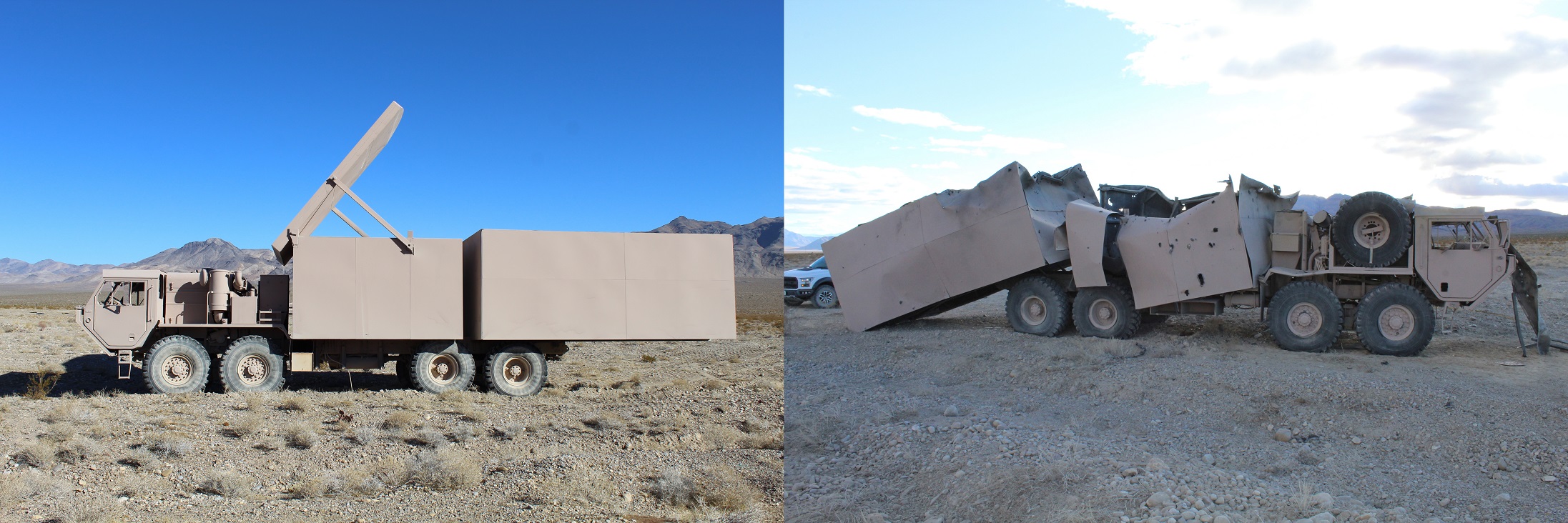
According to a recent service news release, during this test, two F-15Es dropped live Joint Direct Attack Munitions, while other weapons systems including F-15Es, F-35s, F-16s, FA-18s, RQ-4, MQ-9, U-2 and joint partners used SAR Mapping technology to assess if the bombs hit and destroyed the intended targets.
“The objective of the test is to determine our ability and timeline to conduct real time strike assessment using synthetic aperture radar maps,” said Maj Derek Anderson, director of operations, 706th Fighter Squadron. “Synthetic aperture radar maps allow manned and unmanned platforms to image target areas from long ranges and through weather.”
This test was ultimately designed to find a new way to effectively close the kill chain – confirming destruction of the target. SAR Mapping technology isn’t new technology, but this test puts it to use in a way that can solve an issue for the warfighter in dynamic fights.
“Operating in Europe or the Pacific we can expect weather and the need to remain beyond the operating range of current electro-optical and infrared sensors due to threats,” said Anderson. “This test helped us develop platform and package level tactics, techniques and procedures that will inform operational and strategic level decisions.”
Though the test was managed and executed by the 53rd Wing, many of the participating operators were from the U.S. Air Force Reserve’s 926th Wing, showcasing a TFI effort. The test also integrated strategic intelligence, surveillance, and reconnaissance assets and U.S. Navy fighter aircraft.
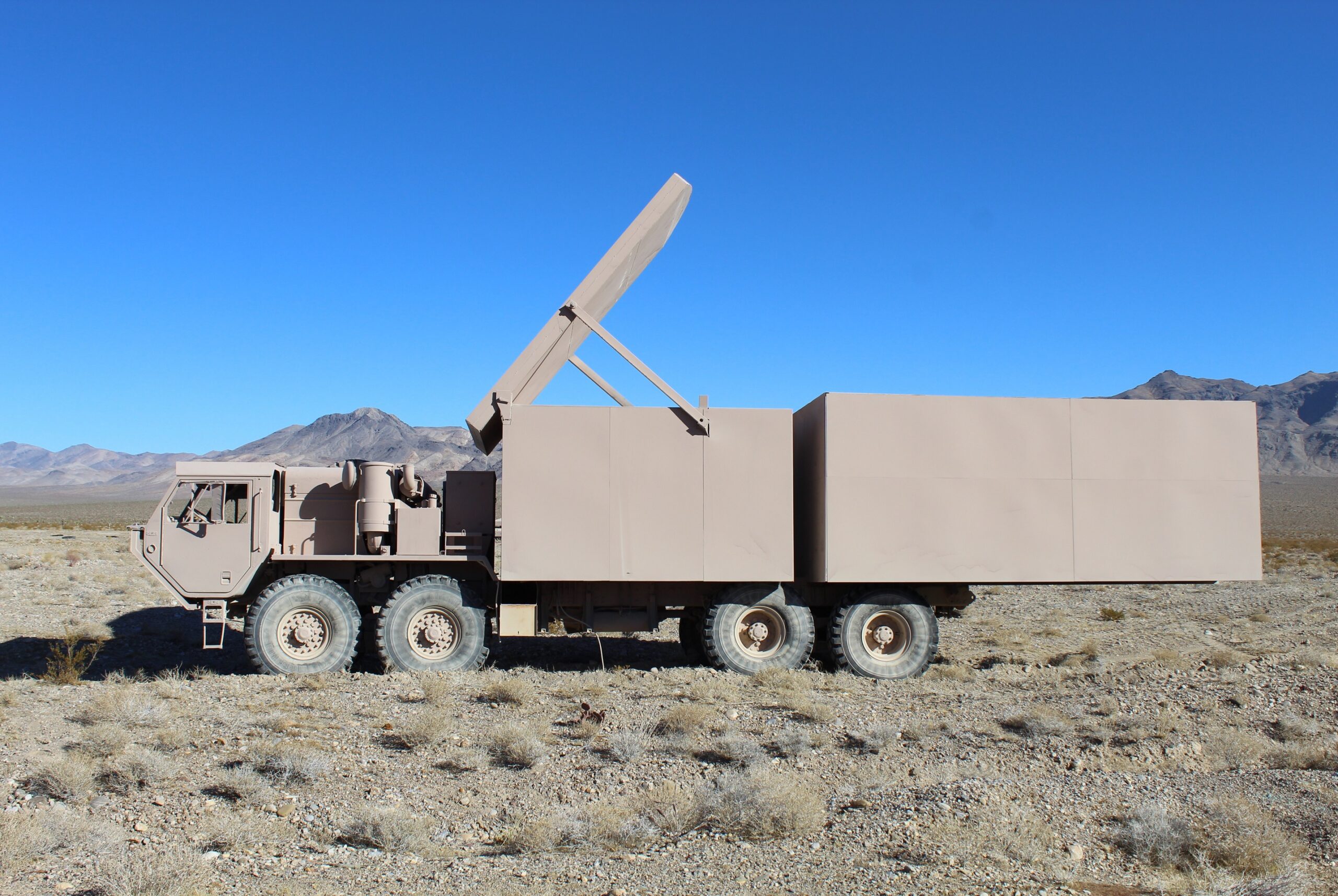
It is worth mentioning that the target at the test site visually resembled the Russian-made radar systems from the S-300 and S-400 complexes.