

U.S. Air Force F-16 flew its first-ever operational flight carrying new Legion Pod

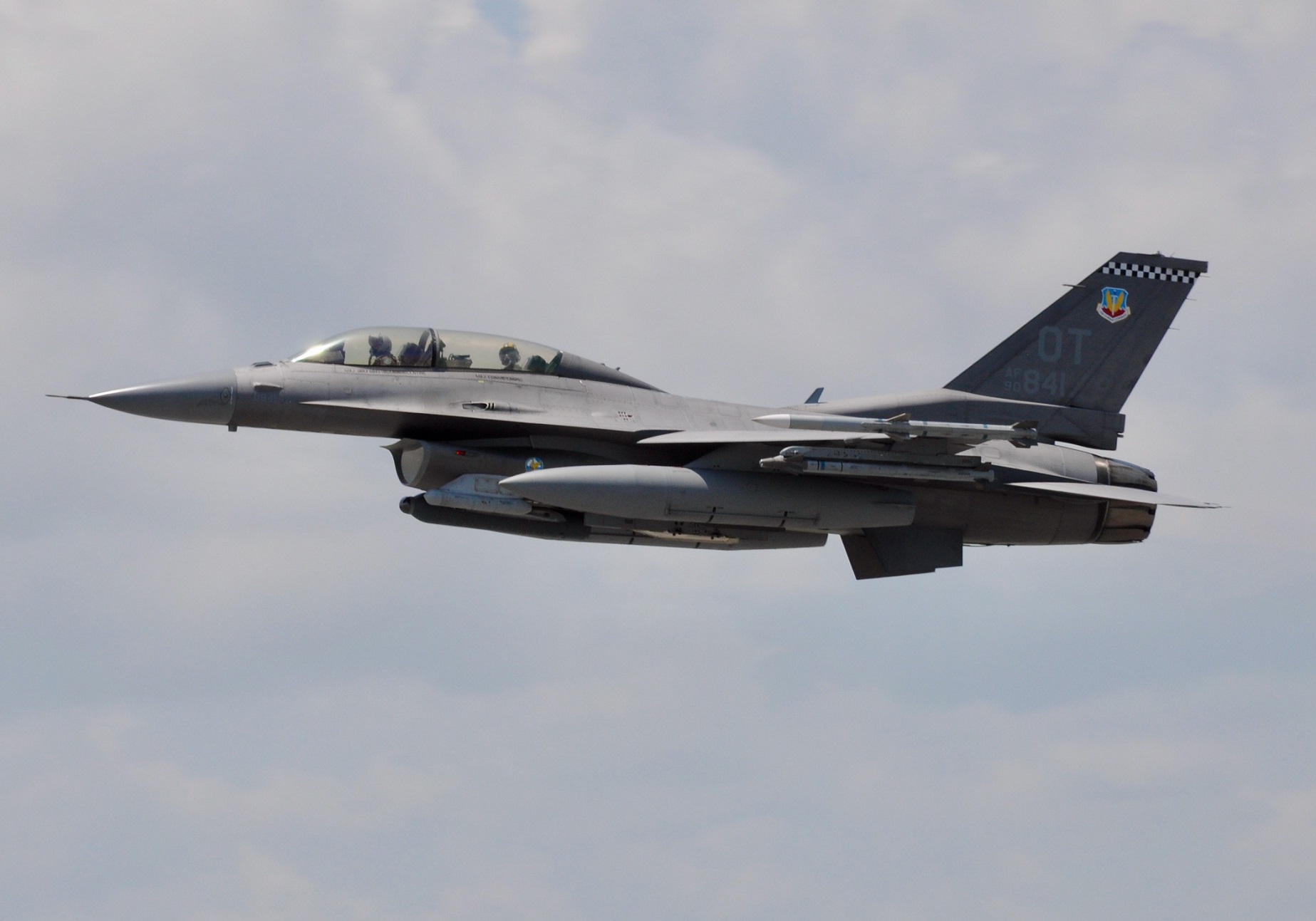
A U.S. Air Force F-16 Fighting Falcon fighter aircraft flew its first-ever operational flight carrying a new multi-function sensor system, according to Eglin Air Force Base Public Affairs 1st Lt. Savannah Bray.

On 13 July, an F-16 Fighting Falcon piloted by Lt. Col. Jeremy “Clutch” Castor, from the 85th Test and Evaluation Squadron, flew its first-ever operational flight carrying the Legion Pod that supports collaborative targeting operations in radar-denied environments.

Use of the Legion Pod and its IRST capabilities allows a pilot to have another sensor that integrates with the aircraft and builds a more complete picture of the battlespace. Because of its use of infrared, it provides the ability to identify, track, and shoot enemy aircraft in a RADAR jamming environment to include stealth aircraft that a traditional radar may not see.

- ADVERTISEMENT - CONTINUE READING BELOW -

“The men and women of the 84th TES continue to push the bounds of Developmental and Operational Test and Evaluation, advancing USAF and DoD (Department of Defense) objectives in leaps and bounds across the multi-domain warfighting spectrum,” said Lt. Col. Zachary Probst, Commander, 84th TES.

The Operational Flight Program Combined Test Force is known for its ability to significantly reduce the test timeline by integrating developmental and operational test from start to finish, requirements to fielding. This approach allows operational flight programs, and the hardware that integrates with them, like the Legion Pod, to be expeditiously fielded to the Combat Air Forces. The F-16 Legion Pod integration leveraged the previous achievements on the F-15C which reduced the test timeline on the F-16 from four years to only six months and saved the Air Force over $1 million in software design and integration costs, effectively “Bringing the Future Faster.”
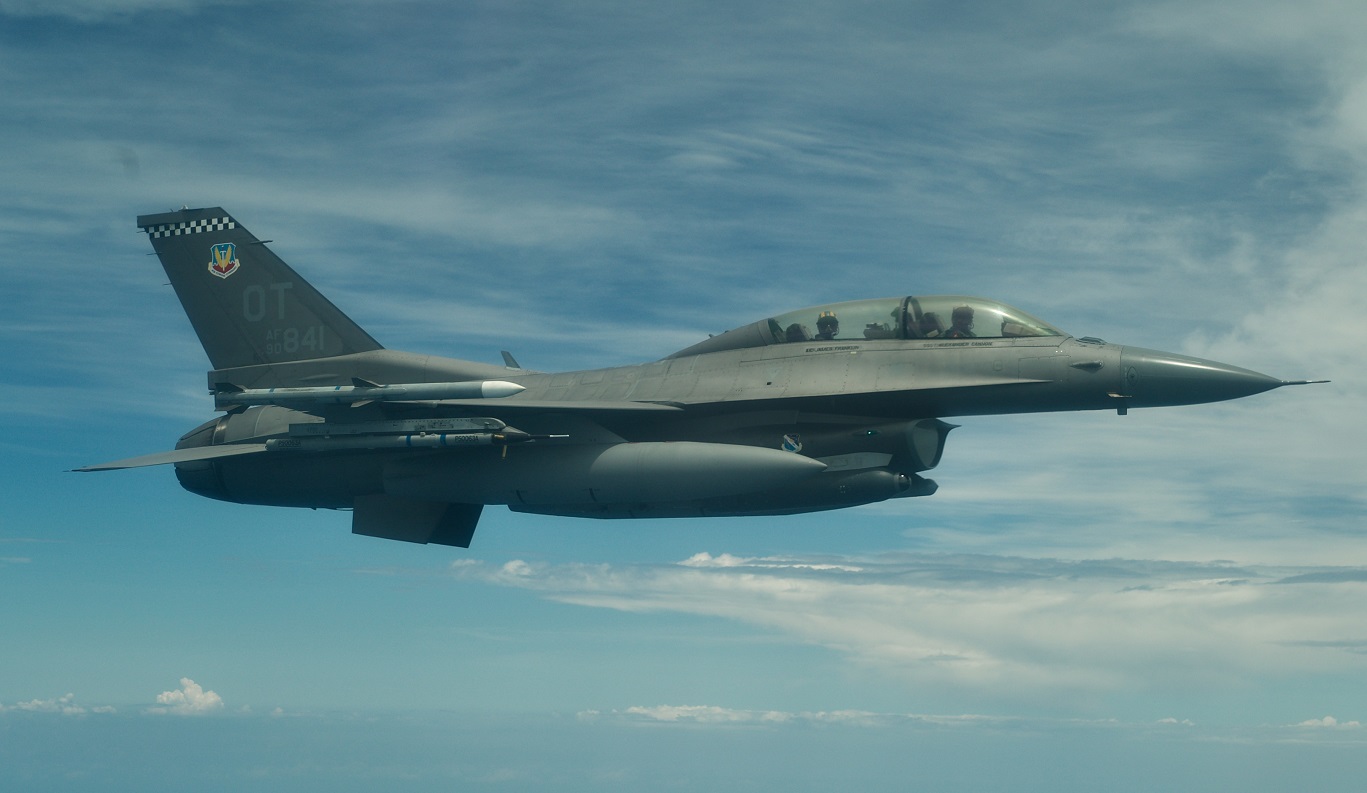
Photo by 1st Lt. Savanah Bray

Readers who wish to follow our weekly coverage can subscribe to the Weekly Defense Roundup.

If you wish to report a grammatical or factual error in this article, please let us know by using the online form.

Executive Editor

Support The Defence Blog

Independent reporting takes resources. Join us on Patreon.

Become a patron

More Like This

U.S. Marines test drove their future reconnaissance vehicle

The U.S. Marine Corps' Program Manager Light Armored Vehicles held what the service calls a Marine Touchpoint event last month for the Advanced Reconnaissance...

Sikorsky and BETA team up on unmanned supply aircraft

A helicopter maker and an electric aircraft startup just proved they can bolt cutting-edge autonomy software onto a brand-new aircraft in under two weeks,...

Lockheed’s new drone killer packs a microwave weapon

Lockheed Martin unveiled MORFIUS X-Rotor at the Farnborough International Airshow, an airborne counter-drone system built around a high-power microwave weapon that the company says...

Anduril develops unmanned attack helicopter

Anduril just unveiled a helicopter-killer's replacement: a pilotless attack aircraft built specifically because attack helicopters have become too dangerous to fly. The defense technology company...

X-Bow develops mass-producible interceptor under $100,000

X-Bow Systems unveiled Buckler, a flight-tested interceptor built to shoot down Group 3 drones at supersonic speeds, with the company pricing the weapon below...

US Army reportedly deploys new hypersonic missile to Guam

Photos released by a U.S. Army unit this week appear to show America's newest hypersonic missile system training somewhere in the Pacific, and one...