The U.S. Department of Defense and General Dynamics announced an agreement worth about $299 million for ballistic-missile submarine fire control systems modernization and maintenance.
The DoD has contracted General Dynamics Mission Systems, a business unit of General Dynamics, to continues a broad scope of work for fire control systems and subsystems aboard U.S. Navy and United Kingdom’s Royal Navy nuclear ballistic-missile submarines (SSBN).
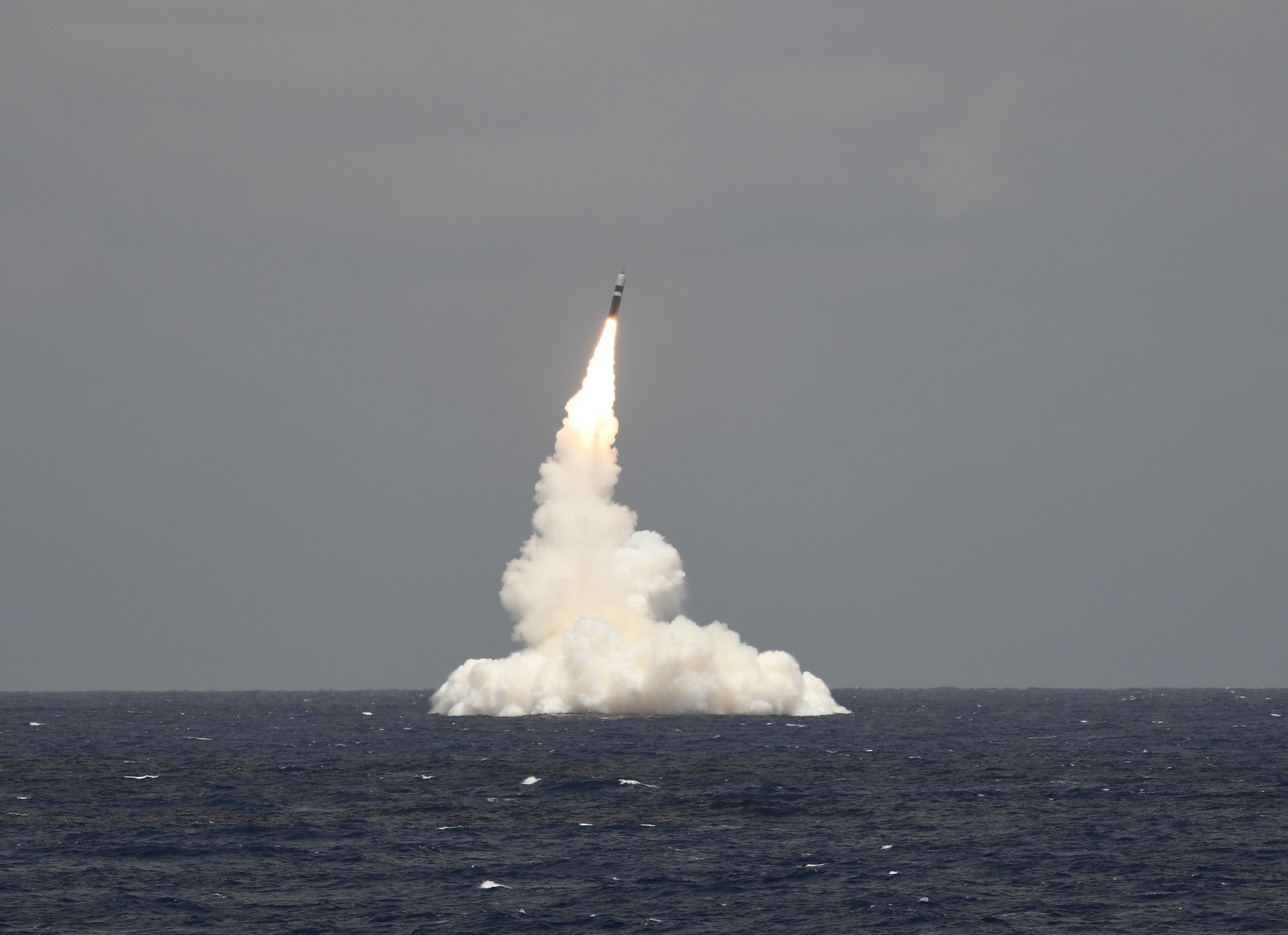
The contract has a total potential value of $299,866,600 over the next four years. The omnibus contract is a follow-on to a contract awarded to General Dynamics in December 2015 for the development, production, installation and deployed-systems support of U.S. and U.K. Trident II submarine strategic weapons systems and subsystems.
General Dynamics Mission Systems’ Maritime and Strategic Systems line of business will deliver support and modernization of the existing SSBN strategic weapon system including fire control subsystem installation, maintenance, sustainment, training and repairs to navigation and launch subsystems.
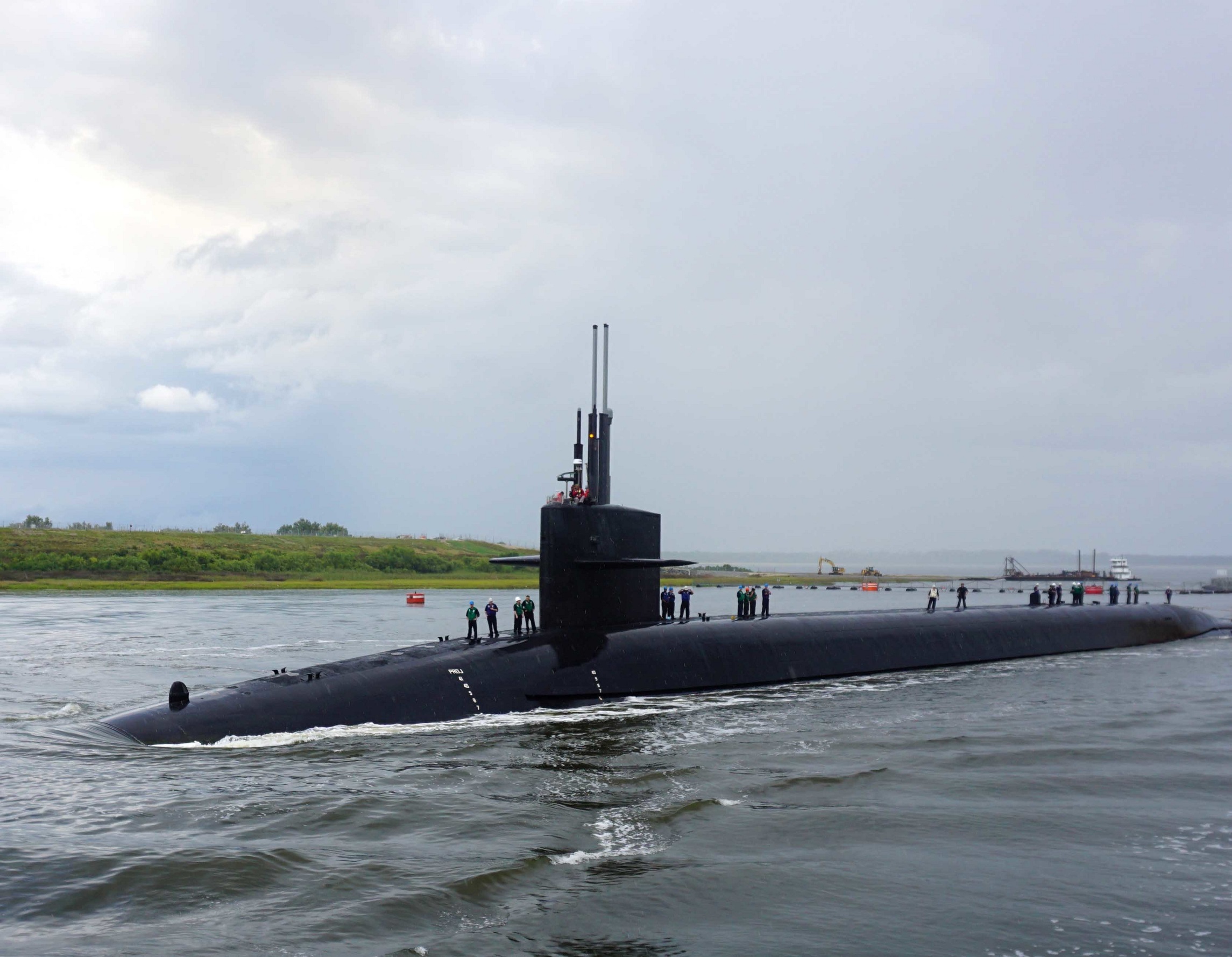
The company will also continue development of the fire control system for the U.S. Navy’s Columbia class submarine and the Royal Navy’s Dreadnought class ballistic-missile submarine. Work on the development and sustainment of the U.S. Navy’s Ohio-class guided-missile submarine attack weapon control system is also part of the contract. The majority of the work in support of this contract will take place here.
“Our support for the Navy’s strategic deterrent program spans nearly six decades, and forms the foundation of our U.S. Navy business,” said Carlo Zaffanella, vice president and general manager of General Dynamics Mission Systems’ Maritime & Strategic Systems business. “Continuing the work we have done on existing Ohio SSBN fire control systems, and the development of the fire control system for the Navy’s newest fleet of submarines demonstrates our ongoing relationship, built on trust, partnership and innovation, with the U.S. and U.K. naval forces.”