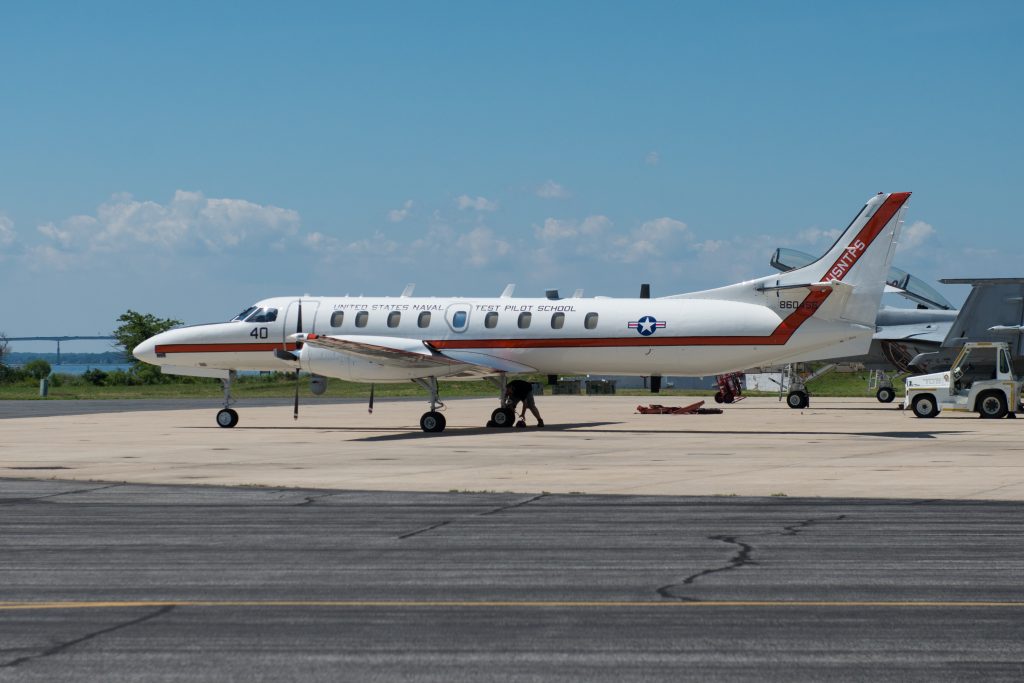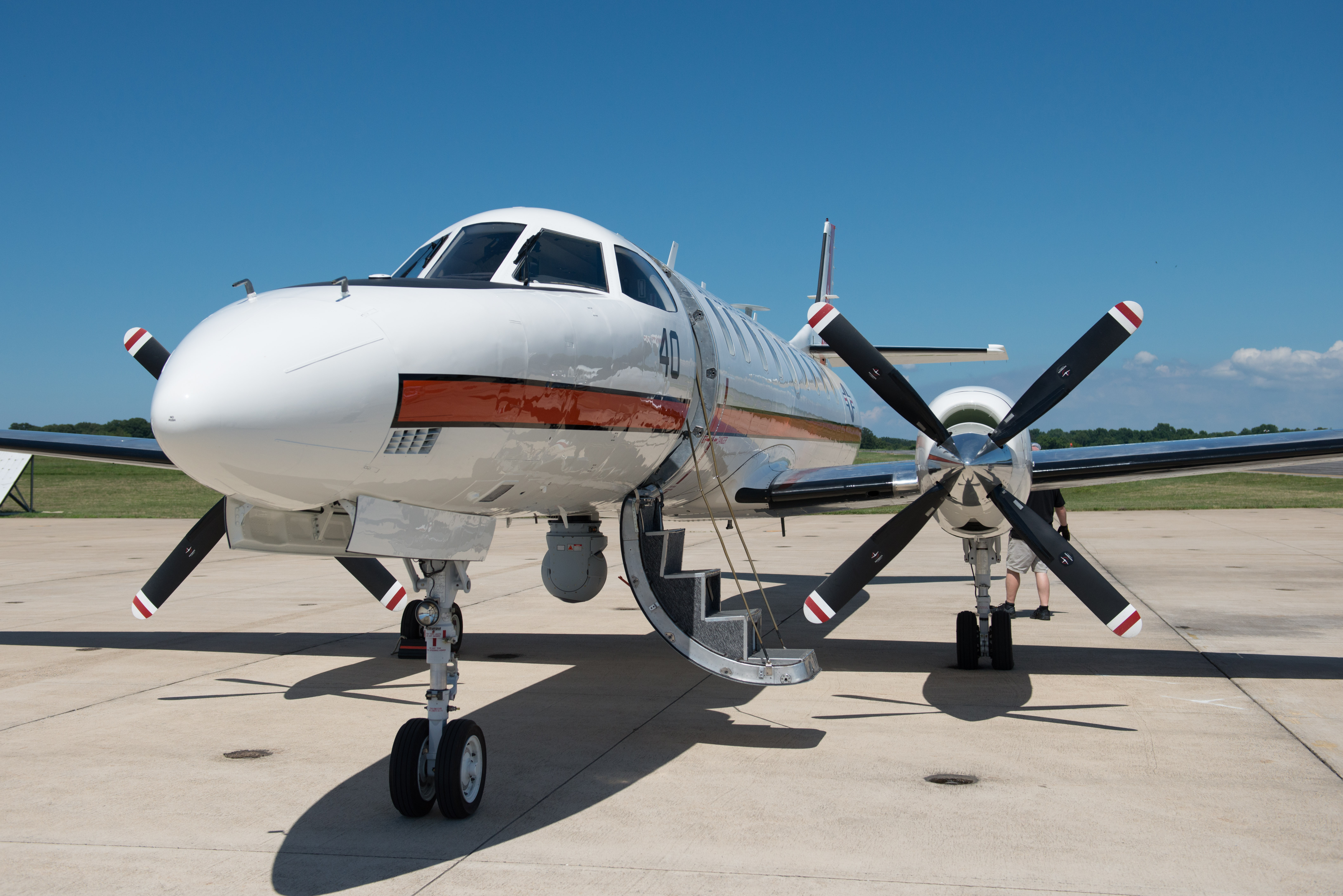
The unique flying classroom based on customised Fairchild Swearingen C-26A Metroliner, known as the Airborne Systems Training and Research Support (ASTARS) III, arrived at Naval Air Station Patuxent River, United States naval air station located in St. Mary’s County, Maryland.
According to the statement by Naval Air Systems Command (NAVAIR), the custom C-26A Metroliner is equipped with subsystems and has a matching simulation lab allowing students to familiarize themselves with the subsystems before flying with instructors has been transferred to US Naval Test Pilot School (USNTPS).
The ASTARS III is the third generation of flying classroom for the USNTPS curriculum, is a custom tailored C-26A Metroliner equipped with military equipment and subsystems. A custom tailored simulation lab was also built in conjunction with the aircraft to have matching crew stations.
The ASTARS objective is for students to familiarize themselves with the aircraft and its systems in a simulation lab before flying airborne for the first time which increases the efficiency of flight time spent with instructors in the air. USNTPS’ original ASTARS is a divested P-3; ASTARS II is a leased modified Saab 340 and the contract will end in fall 2018.
“The amount of proactive collaboration on this project is unprecedented,” said Jerry Swift, director of NAWCAD’s AIRWorks, the systems integration office that cultivates the command’s organic capability to develop rapid warfighter solutions.
The aircraft’s upgrade was a group effort between a number of organizations: USNTPS, AIRWorks, the Tactical Airlift, Adversary and Support Aircraft program office (PMA-207), and M7 Aerospace, a subsidiary of Elbit Systems of America. Each group was represented at the hangar on a daily basis by pilots, engineers, artisans, supply chain specialists, program managers, test representatives, and other crew members who worked side-by-side at the modification site in San Antonio, Texas. The project structure reduced programmatic cycle times while maintaining the aircraft’s configuration control.