

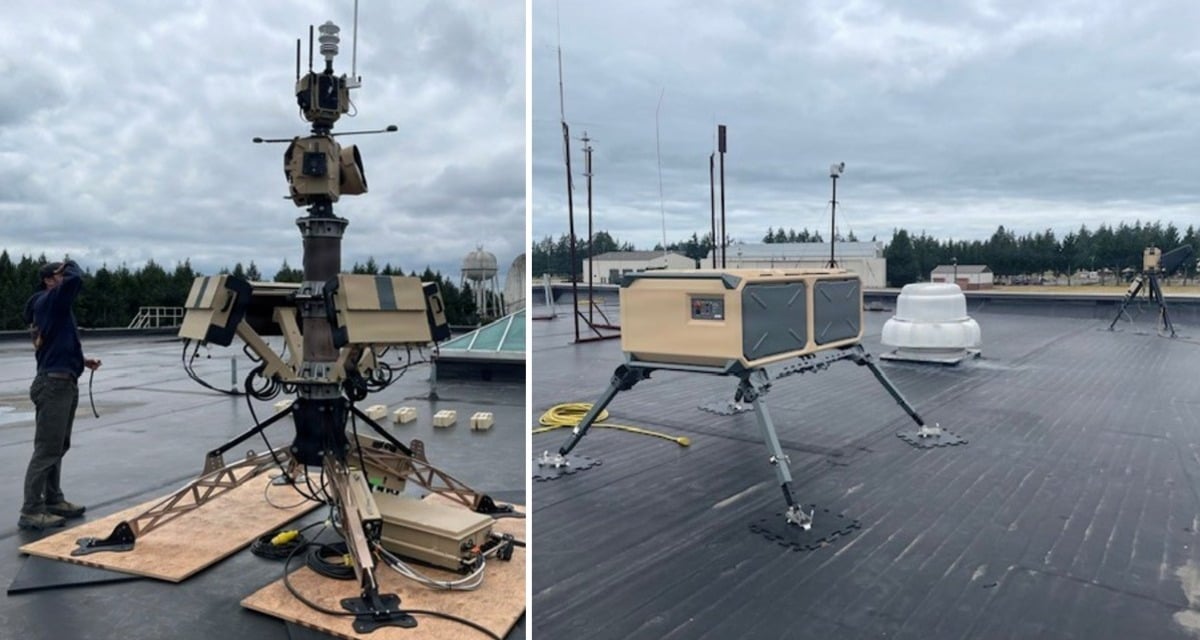
- Joint Interagency Task Force 401 and Anduril began installing Anvil, Pulsar, and SpyGlass counter-drone systems at Joint Base Lewis-McChord on July 6, 2026.
- The installation is part of JIATF-401's effort to expand counter-drone capabilities across military installations in the United States and abroad.
A U.S. Army base in Washington state just got a new kind of neighbor: a kinetic interceptor built to shoot small drones out of the sky before they reach anything worth protecting.
Joint Base Lewis-McChord began installing a suite of Anduril Industries counter-drone hardware, the first physical build-out of a system meant to shield one of the Army’s most important West Coast installations from a threat that barely existed in a serious way a decade ago and now shows up almost weekly at military bases across the country.
The work is being led by Joint Interagency Task Force 401, an Army-run organization the Department of War stood up in 2025 specifically because small drones had outpaced the military’s ability to detect and stop them using older, fragmented approaches. Before JIATF-401 existed, each military branch largely handled counter-drone defense on its own, buying different sensors and jammers for different bases with little coordination between them, an arrangement that left gaps an adversary or a curious hobbyist could exploit simply by flying a cheap commercial drone toward a runway or an ammunition depot.
JIATF-401 exists to close those gaps by centralizing how the Pentagon buys, tests, and fields counter-drone technology across every service and installation, treating it as a single coordinated homeland defense mission rather than dozens of separate procurement projects.
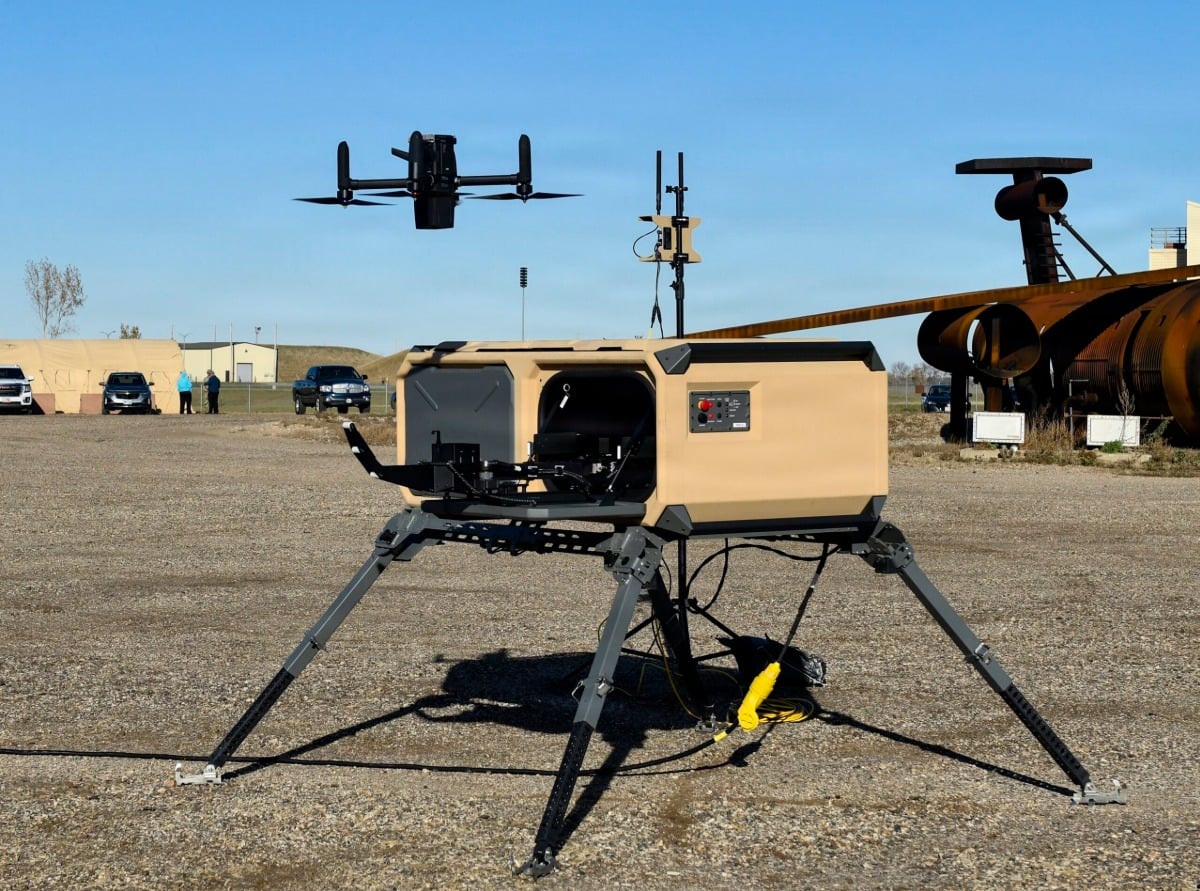
Three pieces of hardware went into the ground at JBLM during this initial build phase, each handling a different part of the job. Anvil is an autonomous kinetic interceptor, meaning it physically rams or strikes a hostile drone rather than jamming its signal, and it is built specifically to defeat what the military classifies as Group 1 and Group 2 unmanned aircraft, the smaller, slower category of drones that includes most commercially available quadcopters and fixed-wing systems capable of carrying a camera or a small payload.
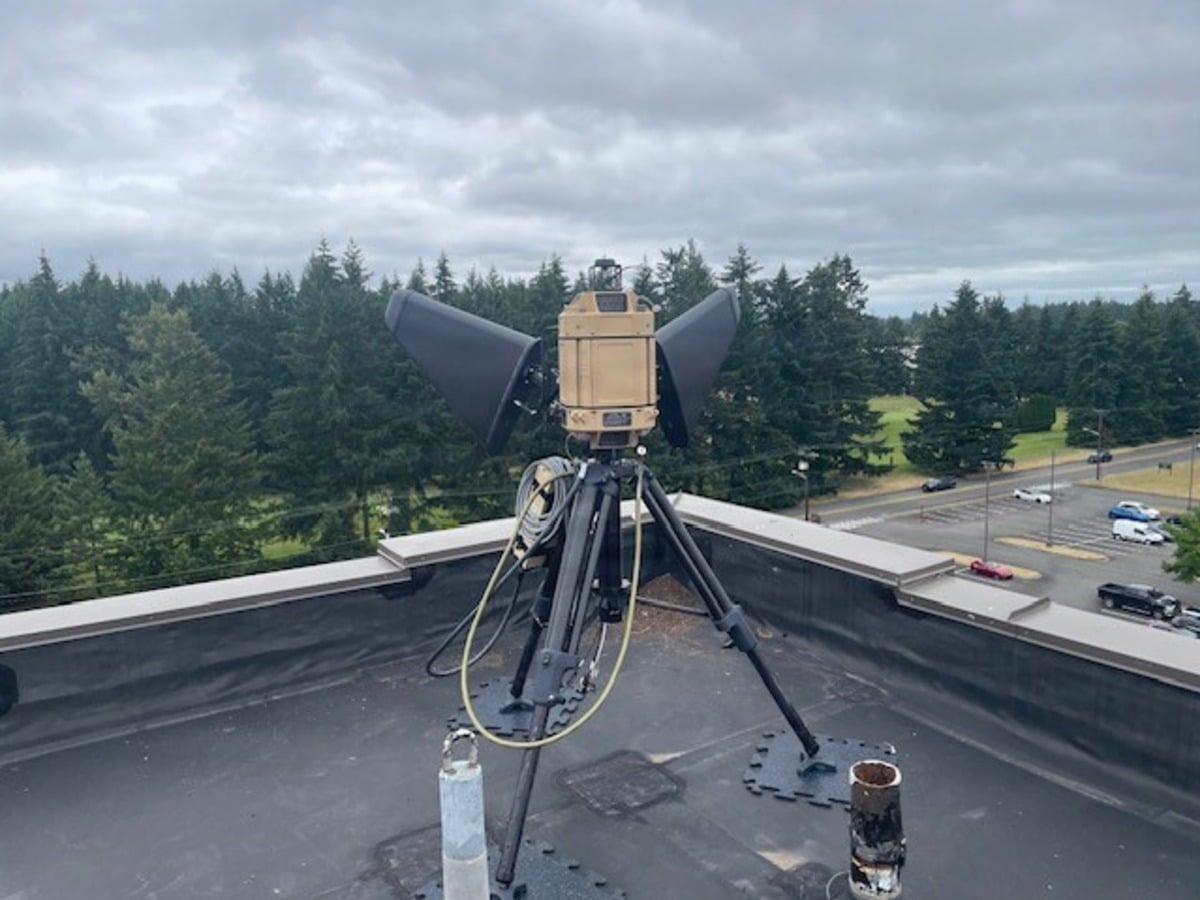
Pulsar, the second system installed, works differently: it is a software-defined electronic warfare unit that detects and jams the radio signals drones rely on for navigation and control, with a design that Anduril says can adapt to new drone frequencies within hours rather than the months older jamming systems typically needed, and versions of the system have been demonstrated with an effective range up to 2 kilometers (1.2 miles) against Group 1 threats.
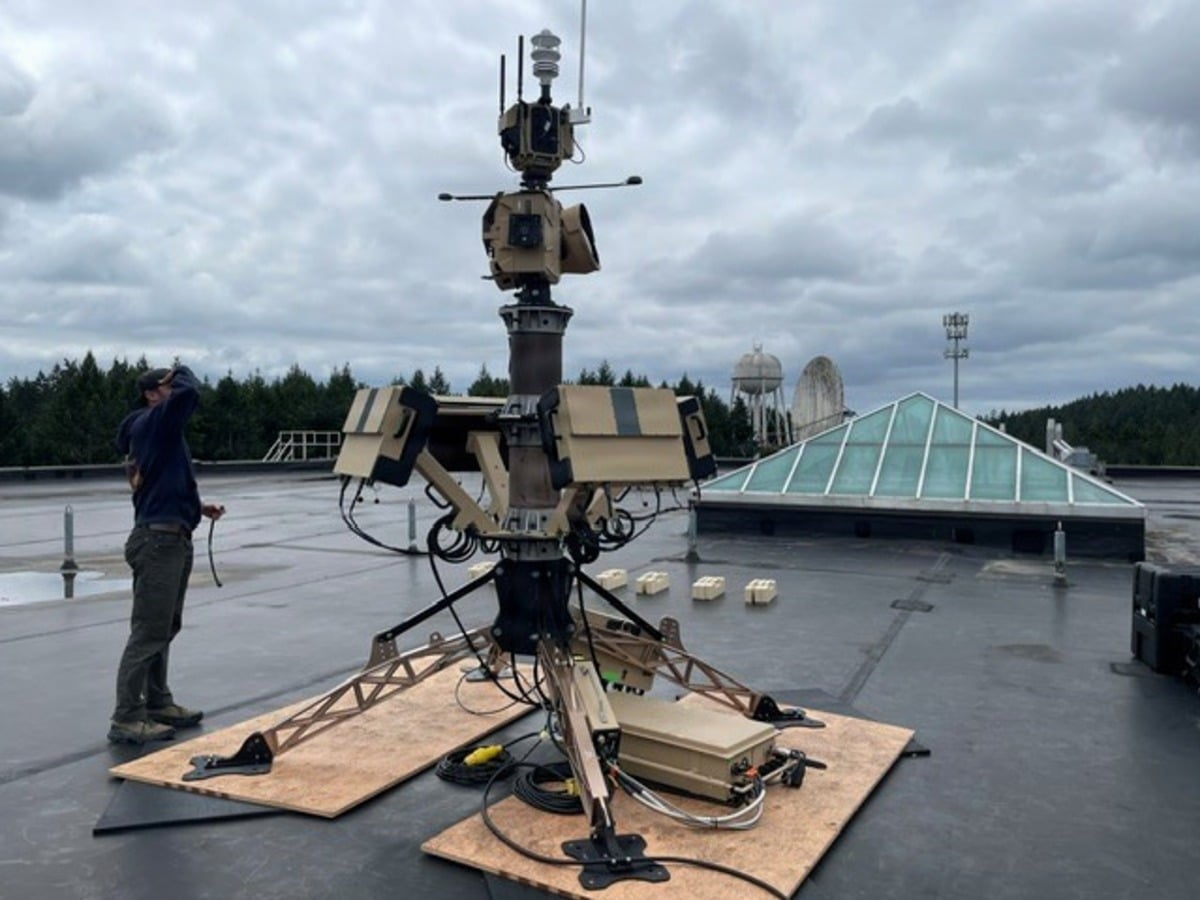
SpyGlass rounds out the trio as a Ku-band phased array radar, a type of radar system that uses electronically steered beams instead of a physically rotating dish to track multiple targets simultaneously, and Anduril says the system’s onboard computing extends its detection range by 25 to 30 percent compared to older radar designs, giving base defenders more time to identify an incoming drone before it gets close.
Two Anduril engineers led the installation work on site, Tommy Hernandez III, the company’s air defense team lead, and George Nguyen, a tactical operations engineer, working directly with JIATF-401 personnel to get the systems physically installed and integrated. That hands-on collaboration between a private contractor’s own engineers and the task force reflects how JIATF-401 has structured much of its rapid fielding effort, leaning on defense technology companies to build and install systems quickly rather than routing every project through the military’s traditionally slower acquisition process.
Joint Base Lewis-McChord is not a random choice for this kind of investment. The installation, located just outside Tacoma, serves as the only Army power projection base west of the Rocky Mountains in the continental United States, hosting I Corps and the 62nd Airlift Wing’s fleet of C-17 Globemaster III cargo aircraft, a combination that makes it a critical node for moving troops and equipment toward the Pacific in any future crisis. That strategic weight is precisely why an adversary, or even a less sophisticated bad actor testing what they can get away with, might view JBLM as a tempting target for a drone incursion, and it helps explain why the base made the list for one of JIATF-401’s early counter-drone build-outs rather than waiting years for a broader nationwide rollout.
Small, cheap drones have become a defining weapon of recent conflicts, from Ukraine’s extensive use of them against Russian forces to swarms and one-way attack drones deployed across the Middle East, and those same lessons have been landing closer to home. U.S. military installations have reported a rising number of unexplained drone sightings and incursions in recent years, incidents serious enough that Pentagon officials and outside researchers have specifically flagged gaps in how well American bases can detect and respond to an aircraft that might cost less than a used car but can still carry a camera, a payload, or worse over a secure facility. JIATF-401’s broader mission, which includes a separate pilot program testing laser and microwave weapons at five other installations and a $642 million contract with Anduril to protect Marine Corps bases, treats the JBLM installation as one piece of a much larger effort to close that vulnerability across the entire joint force rather than at a single site.
What happens at Lewis-McChord over the coming months will likely shape how quickly similar systems reach other bases, since JIATF-401 has consistently framed its installations as building blocks toward a standardized, repeatable counter-drone architecture rather than one-off fixes. For a base whose entire strategic value rests on being ready to move soldiers and cargo toward the Pacific at a moment’s notice, keeping the runways, hangars, and troops themselves safe from a threat that can be bought online for a few hundred dollars has become just as much a part of readiness as the aircraft parked on the flight line.