


As the Russia-Ukraine war reshapes modern warfare, armored vehicle expert and lead analyst Serhiy Berezutskiy argues that the tank is not obsolete but stands at a crossroads requiring profound transformation to remain relevant in an age dominated by drones and precision weapons.
“Throughout more than a century of tank history, there have been repeated declarations of their obsolescence,” Berezutskiy said in an in-depth interview. “Yet each time, the tank has risen to the challenge, adapting to new weapons designed to destroy it. The question isn’t whether tanks will survive, but how they will evolve.”
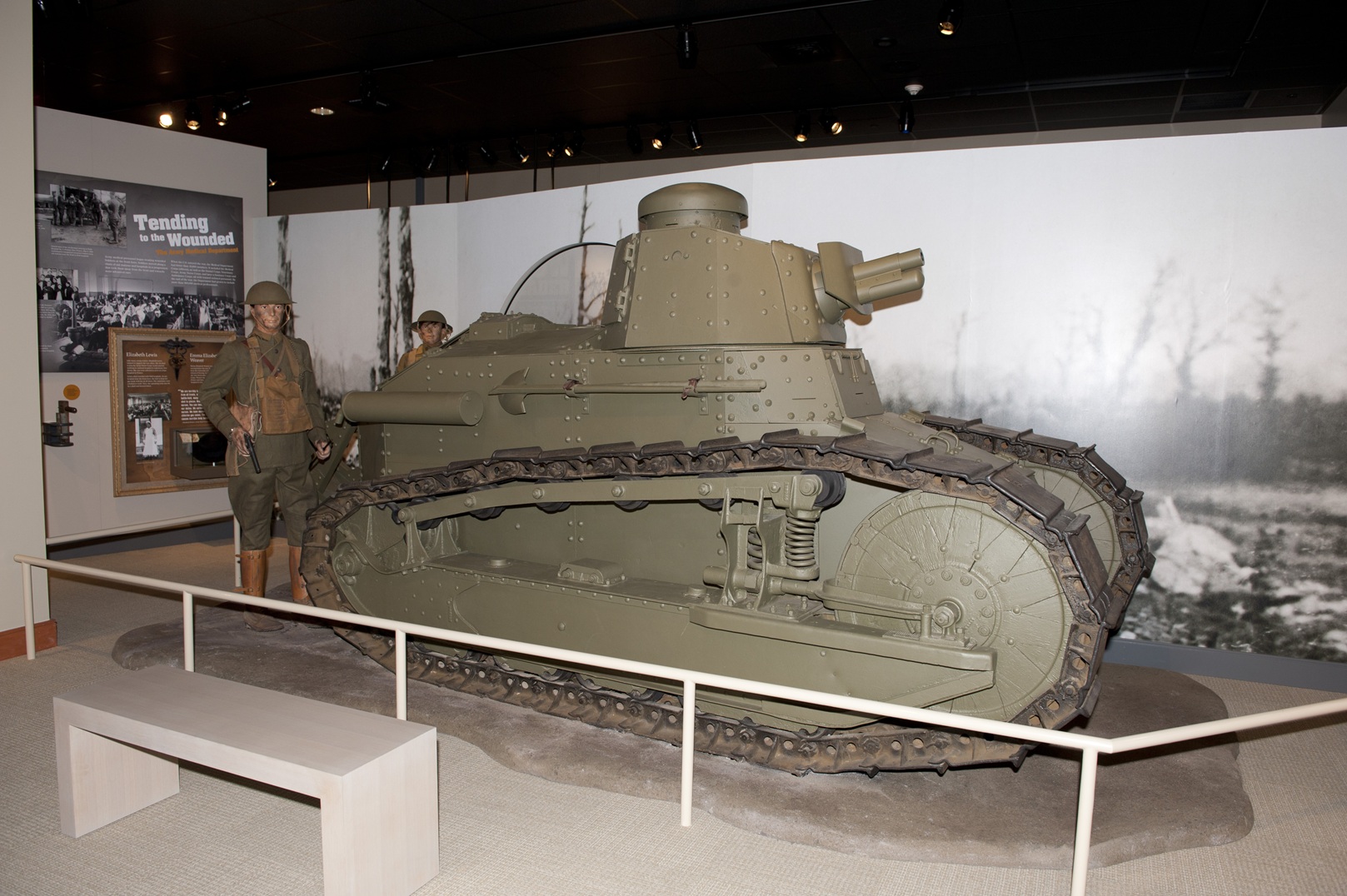
According to the expert, from its World War I debut, the tank faced existential threats almost immediately. As soon as tanks appeared and demonstrated their effectiveness, the first countermeasure came in the form of armor-piercing bullets that easily penetrated the tank armor of that era. To be fair, by today’s standards, that armor would be suitable only for an APC, yet theorists at the time still proclaimed that the age of the tank had ended before it even began. In response, tanks increased their armor to withstand these bullets.
The next step was the appearance of anti-tank rifles (ATRs)—essentially rifles with monstrous calibers and/or barrel lengths—whose bullets could penetrate the now-thicker tank armor. Tank designers continued along their familiar path, again increasing the armor thickness, which led ATR crews to be advised to fire at observation devices, the running gear, and the lower frontal plate of the hull—the so-called “vulnerable zones of the tank.”
Another iteration of the “shell-versus-armor” standoff took place during the Spanish Civil War, where specialized anti-tank artillery debuted. Once again, tanks pursued an extensive development path, increasing armor to a level capable of withstanding shell impacts.
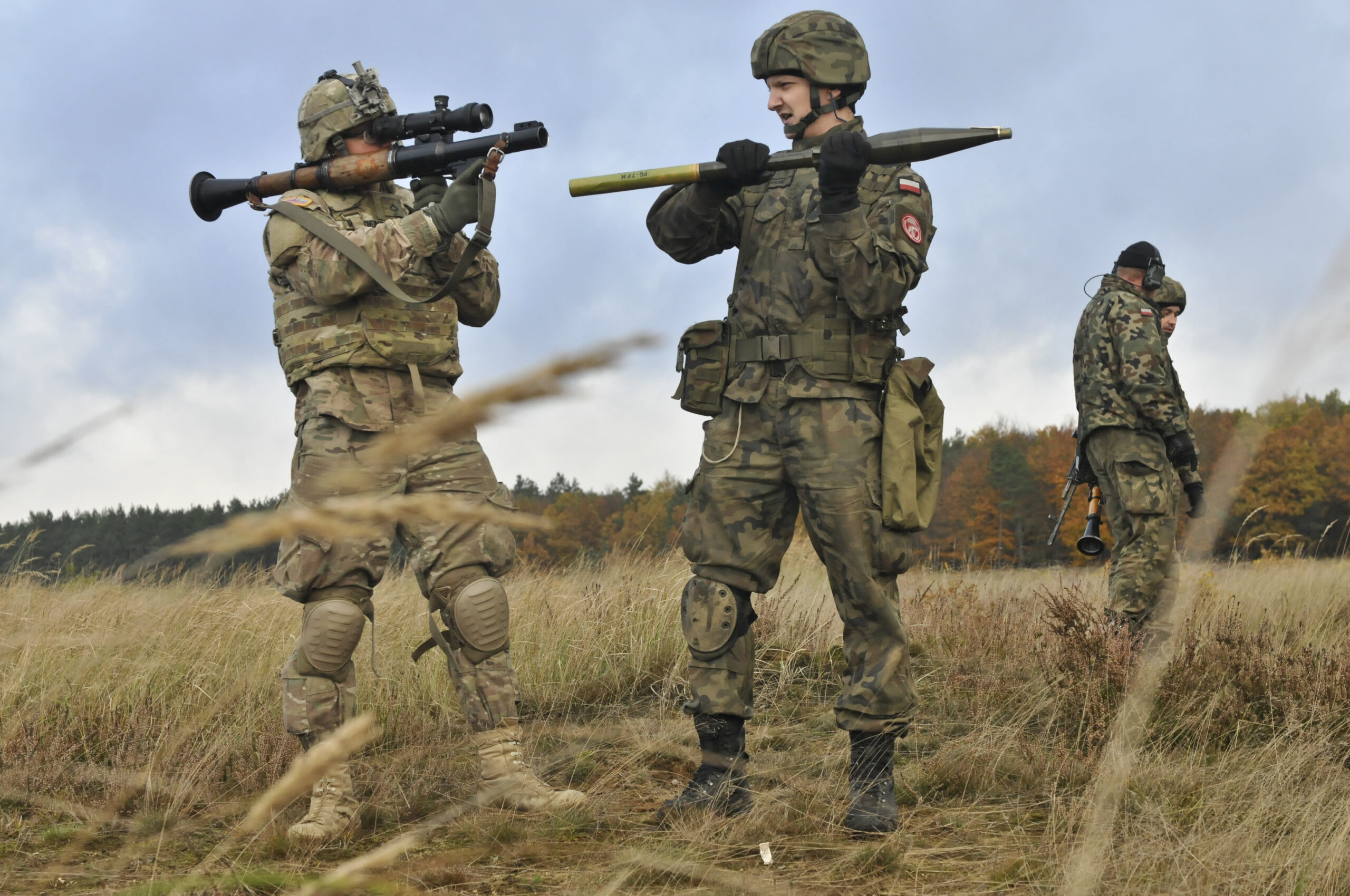
World War II enriched the arsenal with anti-tank rocket launchers and the appearance of the shaped charge warhead. Tanks once again increased their armor.

In the postwar period, anti-tank guided missile systems and attack helicopters (in Western terminology, fire-support helicopters) became tank killers. The significantly increased power of their warheads could no longer be countered by simply thickening the armor, which led to the development of composite armor, spaced armor, and later explosive reactive armor and active protection systems.
Each of these stages was far more complex than we remember today, but for simplicity’s sake, let us leave that to professional historians of armaments.
A Historical Parallel
A century ago, Italian military theorist Giulio Douhet published The Command of the Air, which launched a new military doctrine that later bore his name. Douhet asserted that in modern warfare, aviation should play the leading role. Major combat operations would shift from land and seas to the air; fighter battles would dominate; bombers would become the primary means of destroying enemy infrastructure; and ground forces would, after air battles, serve merely as occupation armies.
The doctrine relied primarily on the fantastic progress in aviation at the time. Aircraft designs evolved rapidly, gaining previously unseen capabilities. However, as Jerzy Lentz said: “In life, everything is completely different from how it really is.” Despite the coherence and logic of General Douhet’s proposed doctrine, the subsequent development of military theory and practice took an entirely different path.
Nevertheless, it should be noted that aviation still secured its place under the military sun—though not as all-encompassing as Douhet prophesied, it became significant and highly respected.
History Rhymes
History does not repeat itself, but it rhymes. Today, we are witnessing the unprecedented rise of UAVs. Their design and tactics are advancing at an unseen pace. In just a few years, drones have gone from being exotic surveillance tools to one of the primary instruments of warfare. Against this backdrop, many military theorists and “theorists” are contemplating radical changes both in the organizational structures of armed forces and in the further development of combat vehicles.
A popular idea is that the age of armored vehicles is coming to an end due to their vulnerability to drones. To be fair, most of those ready to consign tanks to the scrap heap have only a superficial understanding of them. In contrast, those who have relied on armor in real—not simulated—battles continue to regard it as an important component of combat.
Once again, armored vehicles are facing a challenge. And to maintain their role on the battlefield, they must transform yet again. Today, drones have become a new and rapidly developing class of anti-tank weaponry, ranging from the simplest “quadcopters” to high-tech models with artificial intelligence. Thus, tanks are once again facing the need for transformation, and the main directions of countering this new threat are already emerging.
Tactics and Improvised Protection
The first step, which does not require radical changes to tank design, is to change the strategy and tactics of their deployment. Tank armadas breaking through the front and wreaking havoc in the enemy’s rear in the style of Manstein or Rotmistrov have disappeared forever. Drones, apart from their strike capabilities, have elevated situational awareness to such a level that any concentration of equipment on a specific sector of the front leads to its quick and effective destruction.
The role of tanks is now reduced to direct support of infantry units. This requires dispersing and camouflaging them within combat formations and conducting “hit-and-run” attacks—where the attacking vehicle rapidly moves to a firing position, strikes pre-detected targets (or switches to higher-priority targets if identified en route), and then retreats swiftly, blending back into the surrounding landscape.
One of the most noticeable adaptations is the emergence of “barn tanks”—vehicles equipped with additional improvised light armor spaced significantly from the main armor. This solution helps protect against dropped grenades and even drones with shaped charge warheads. However, such tanks remain vulnerable to drone strikes aimed at weakened areas like the upper frontal hull plate around the driver’s optics (“the décolleté zone”), which is often left unprotected by the extra armor. Drones equipped with explosively formed penetrators also maintain high penetration at standoff distances.
These “barn tanks” have been used mainly by Russian forces as a means of transporting infantry through kill zones, where troops dismount after passing through. In such cases, the tank effectively becomes a substitute APC.
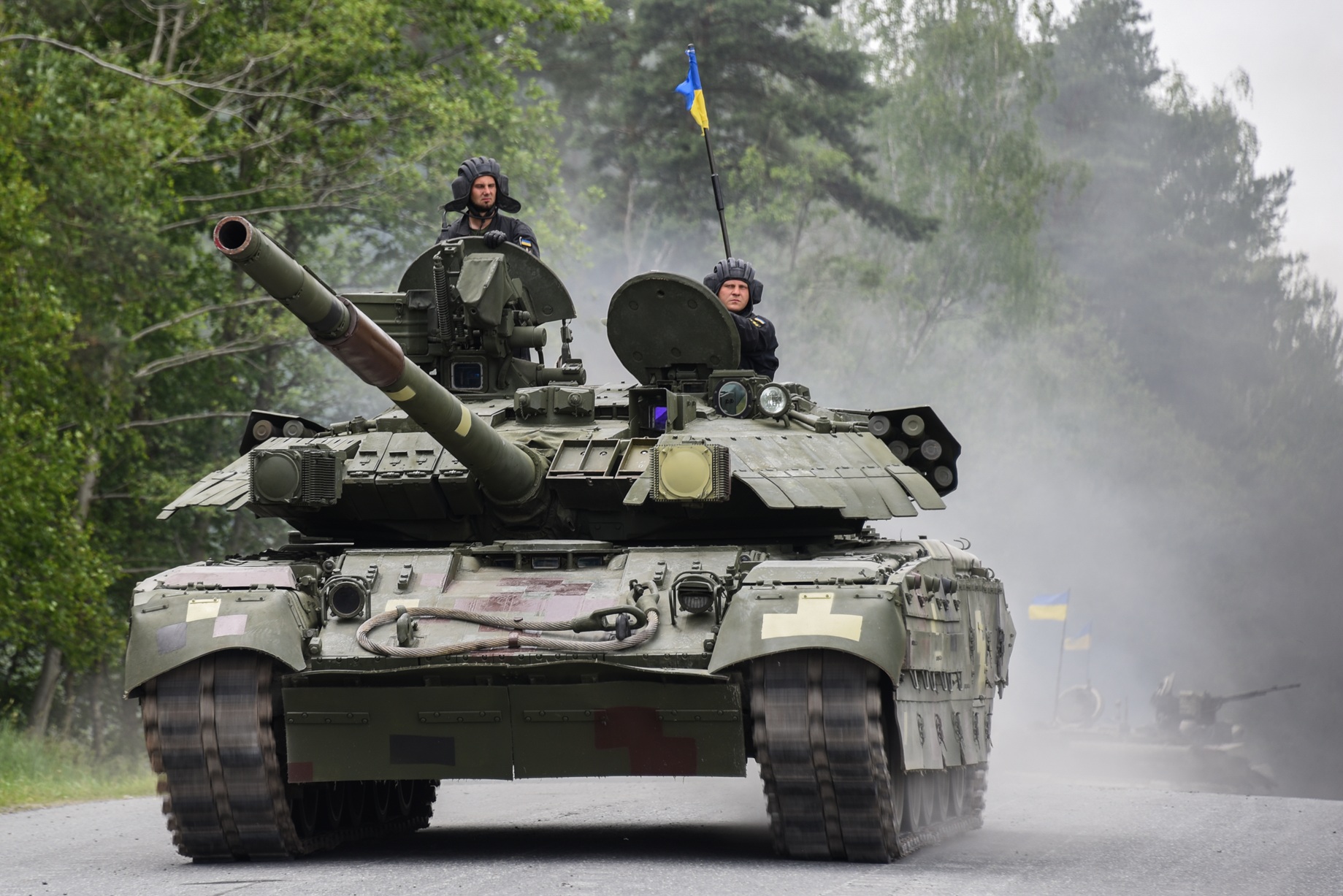
Recently, a tactic has emerged involving the preliminary disabling of a tank’s running gear by a “leader drone,” after which the immobilized tank is sequentially destroyed by a swarm of drones.
Another common method of combating drones is the installation of radio frequency jammers on vehicles. These are used to interfere with the control signals of most UAVs. However, this approach is not universal because it is impossible to jam the entire spectrum of radio frequencies. This leaves the possibility for the enemy to use UAVs that operate on “non-standard” frequencies. Some vehicles are equipped with multiple jammers, each operating within a specific frequency range. The main disadvantage of this solution is the huge electricity consumption required to power all these jamming generators, which often leads to the need to carry an additional household generator to power the whole system.
Another way of combating tanks equipped with such “jammers” is the use of drones controlled via fiber-optic lines and drones guided to the target in the terminal phase of their trajectory using artificial intelligence. In both these cases, the UAV does not require control signals, making radio frequency jamming useless.
The third and most complex, yet also the most effective, method is the use of active protection systems (APS). On the Russian-Ukrainian front, neither side employs this solution, as APS systems developed in both Ukraine and Russia have for years—and even decades—remained in the prototype stage. To be fair, other countries have not advanced much further in this area either: currently, only Israel is capable of equipping its tanks with APS serially. However, a makeshift solution has emerged—placing a soldier with a shotgun on the armor of the vehicle to shoot down approaching drones.
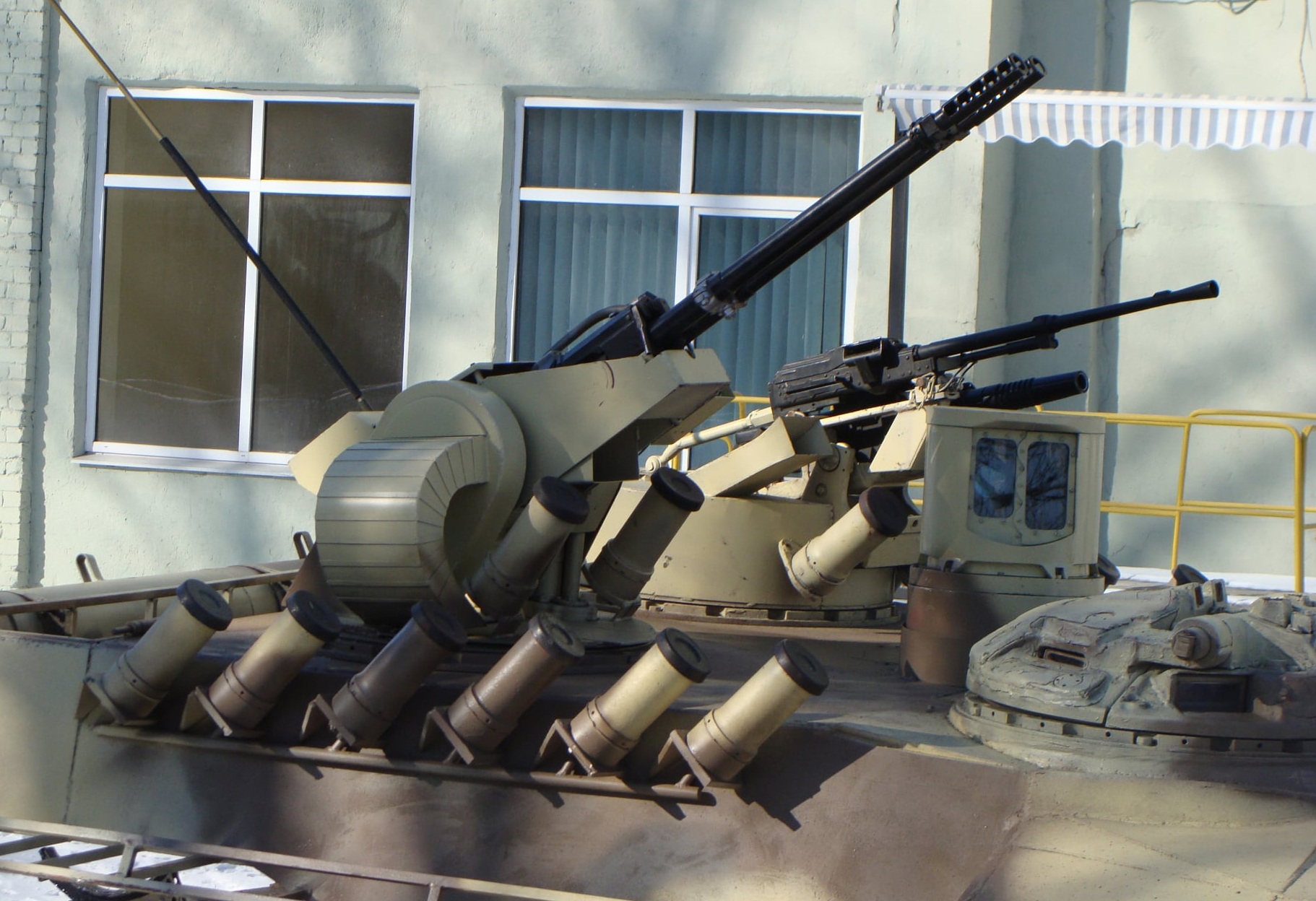
It should be noted that simply aiming existing APS systems skyward does not solve the problem. Firstly, it is prohibitively expensive: using a system designed to intercept a target traveling at up to two kilometers per second against a relatively slow-moving drone is like using a microscope to hammer nails. Secondly, existing APS systems have a very limited “ammunition load” of intercept elements, which, during successive attacks by multiple drones, quickly renders the system defenseless. This drawback is partially compensated for by increasing the ammunition load. For example, the anti-drone APS used on Germany’s Puma S1 infantry fighting vehicle features 18 launch tubes with intercept elements. This solution allows it to fight drones in today’s typical attack scenarios but does not help against deliberate use of large numbers of drones attacking in a swarm pattern.
A much more promising solution is to delegate the functions of anti-drone defense to a remotely controlled combat module (RCCM) as part of the auxiliary armament. In this case, the use of an automatic cannon is far more appropriate than a machine gun: the larger caliber would allow the use of rounds not only with proximity fuses but also with electromagnetic pulse generators, enabling them to burn out the onboard electronics of drones, potentially disabling several drones flying in close formation with a single round.
A significant drawback of existing APS systems is their use of radar as the detector for incoming munitions. The rapid development of modern electronic warfare systems allows adversaries to use these radar emissions as a “beacon” for target detection. Thus, it makes sense to delegate a significant part of the detection function to optoelectronic systems and possibly lidars.
Smoke screen systems can also provide considerable benefit in protecting against drones. These systems launch smoke grenades not only to the sides but also upwards. As an additional option, one could reconsider installing modern equivalents of smoke candles on the armor—similar to the Soviet large smoke candle type BDSH. However, it should be noted that deploying a smoke screen alone is not effective: a drone can still blindly proceed toward a previously identified target. Therefore, smoke deployment must be accompanied by intensive evasive maneuvers. A major advantage of a smoke screen is that it prevents the drone operator from guiding the drone to vulnerable areas of the attacked vehicle; at best, it ensures a hit only “on the silhouette.”
Let’s Summarize: Main Directions of Tank Transformation
Weapons:
The existing armament complex is designed primarily for tank-on-tank combat. The main weapon is a smoothbore gun of high ballistic performance, tailored for the use of armor-piercing fin-stabilized discarding sabot (APFSDS) rounds. Naturally, these rounds are primarily intended for engaging enemy tanks, while their use against infantry and field fortifications is extremely ineffective. However, the dispersal of tanks within combat formations and their withdrawal from the frontlines to covered positions already makes tank duels highly unlikely, and this likelihood will only continue to decrease. As a result, equipping a future tank with a gun of this type simply loses its meaning. Moreover, the gun barrel is poorly suited to camouflage, which not only increases the likelihood of detecting a concealed tank but also serves as one of the main criteria for target classification by artificial intelligence systems.
Major defense contractors are showcasing prospective tanks with 130 mm and even 140 mm guns at exhibitions. However, these vehicles primarily serve as justifications for billion-dollar R&D expenditures that are already obsolete. “Generals always prepare for the last war,” and these exhibition super-guns once again demonstrate the validity of this saying.
What is the alternative to the existing main armament? The author of this article, proceeding from the idea that the main role of the tank has become direct infantry support, ventures to suggest an automatic cannon of 40–57 mm caliber as the primary weapon. Such a system can engage a wide range of targets, from enemy personnel to armored vehicles and low-flying aircraft.
It would also make sense to develop several different types of main armament, unified in terms of trunnion mounts (for example, a large-caliber mortar for engineer vehicles based on a tank chassis), and several types of auxiliary armament, unified in terms of the mounting points of cylindrical bays, similar to what was implemented in the design of the T-64E. This solution would allow, in a “Lego constructor” fashion, the creation of a vehicle configuration not only for a specific theater of operations or enemy equipment level but ideally even for a particular operation.
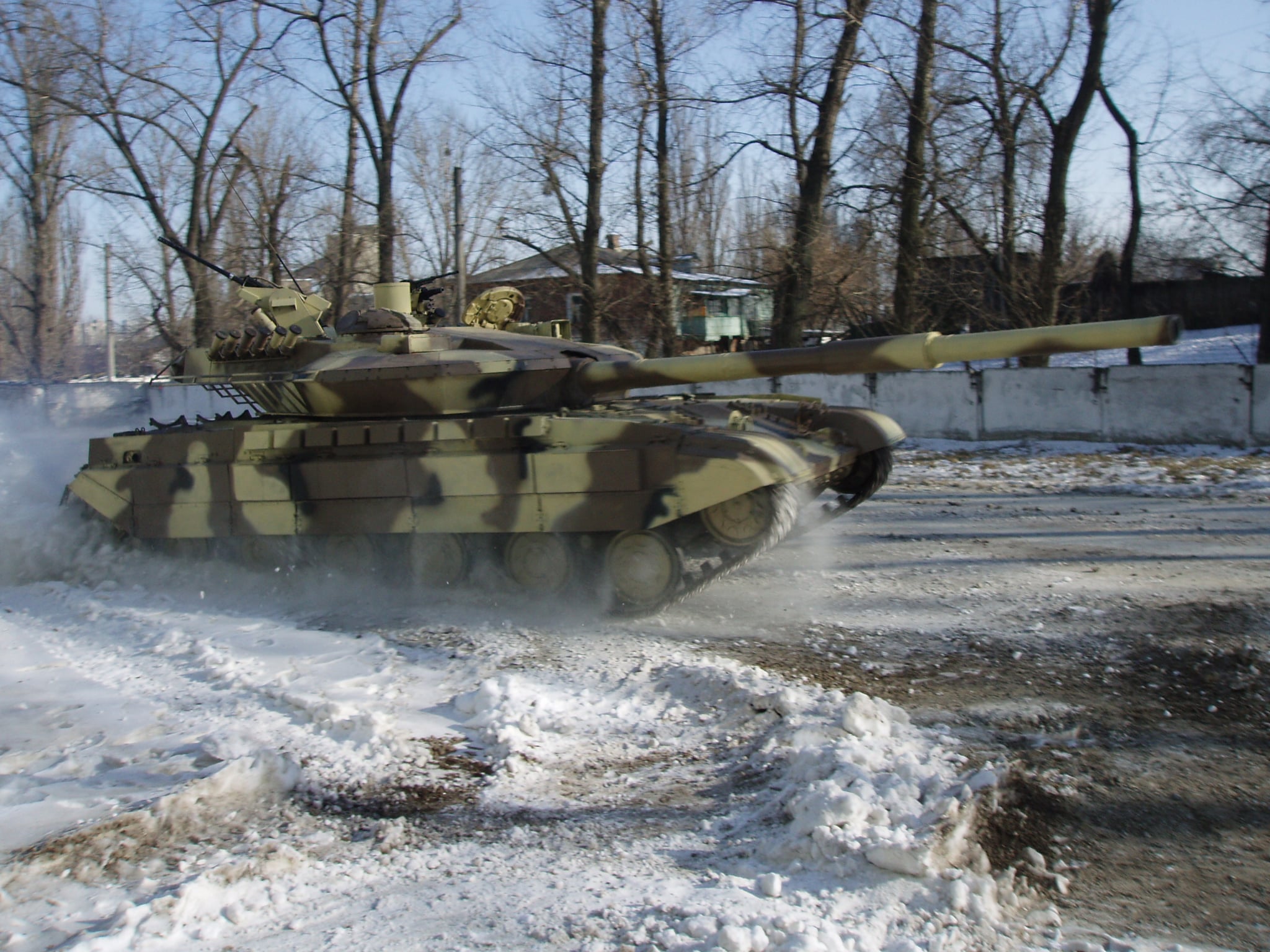
Placing the ammunition in a bustle “box” would allow for an interesting solution: the mechanized replacement of an empty “box” with a new one loaded with ammunition, using either a specialized transport-loading vehicle (TLV) or even an ordinary forklift or crane. At the same time, the possibility of manual ammunition loading should also be retained.
Optionally, for long-range engagements, one could provide for an external installation of an armored anti-tank guided missile (ATGM) launcher on the turret. The advantages of this solution over existing gun-launched ATGM systems are the absence of caliber limitations—allowing greater armor penetration and explosive yield—and the elimination of the need for complex and expensive systems for missile launch through the gun barrel, which are listed in tank specifications but rarely used in real combat.
A significant improvement to ATGM functionality would be the ability, when firing from covered positions, to guide the missile not only via its seeker head but also by delegating guidance to another operator—an infantryman on the frontline, a helicopter, or a UAV.
As an auxiliary weapon, as previously mentioned, it would make sense to use RCCMs with small-caliber automatic cannons, but with automatic target search and destruction functions—because the reaction speed of electronic systems greatly surpasses human capabilities. In addition to wide elevation angles giving the modules anti-aircraft functions, it makes sense to equip the tank with two RCCMs—one would clearly not suffice in the case of a swarm drone attack.
Fire Control System:
The complex and highly branched fire control and reconnaissance-observation systems of the tank, combined with the combat information and control system, overwhelm the crew with a torrent of information and require instantaneous and error-free decision-making, often under combat stress and in conditions far from ergonomic optimum. Objectively speaking, the human psyche is incapable of operating effectively under such conditions for extended periods. The processes of target search and detection, prioritizing targets for destruction, selecting the type of weapon and ammunition, and performing ballistic calculations for firing tasks—all of these functions have already been successfully algorithmized. Programs and hardware have been developed that allow combat to be conducted without the participation of a human operator, at speeds that far exceed human capabilities.
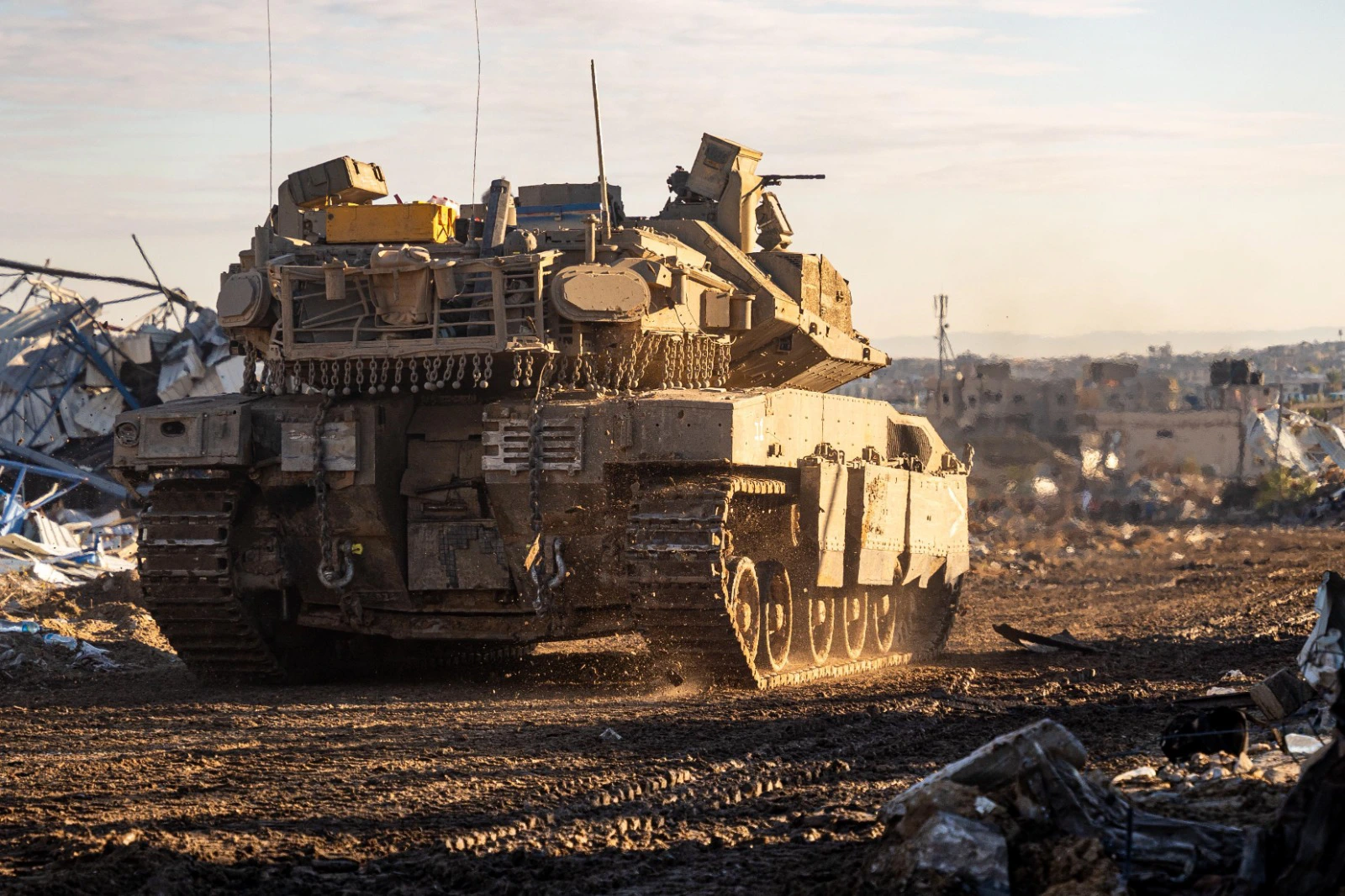
A vivid example of such a technical solution is the integration of artificial intelligence in a specialized target computer with a combat information and control system, as is serially installed on Merkava-4 tanks. In this case, the tank commander is left with only the final function—pressing the “Fire” button, i.e., making the ultimate decision to open fire, and this has been retained solely for ethical considerations. The development of artificial intelligence will not only enable “machine” assistance to weapons operators but also, if necessary, allow for the implementation of a fully unmanned combat mode.
Protection Design:
The current design of tank protection views the armor-piercing fin-stabilized discarding sabot (APFSDS) round fired from tank guns as the primary threat. The mass deployment of drones and the disappearance of tank duels are shifting priorities, suggesting the abandonment of hypertrophied protection of the frontal arc of the turret and hull in favor of more evenly distributed protection—meaning the armor must become all-aspect. Nevertheless, emphasis should still be placed on protecting the ammunition storage areas.
Currently, the primary type of drone warhead used against tanks is the shaped charge, with a growing share of explosively formed penetrator (EFP) warheads. As a result, it makes sense to expect a reduction in the proportion of armored steel in tank protection, which will be offset by an increase in composite constructions using lightweight alloys and ceramics.
The protection of the crew could be significantly improved by relocating them entirely into the hull, so that an unmanned turret would shield most of the fighting compartment from top-attack threats. This, however, raises the issue of crew hatch placement, which could be solved by rearranging the layout: moving the engine-transmission compartment (ETC) to the front of the hull would allow crew ingress and egress almost at full height through rear doors and/or a ramp. In this configuration, the crew would become more vulnerable to mine threats, which could be mitigated by using anti-mine seats and incorporating dynamic protective devices into the hull floor design.
On the other hand, the adoption of an unmanned turret concept would significantly reduce its height silhouette, allowing for a substantial decrease in the overall mass and dimensions of the vehicle. Currently, the specific weight of a tank’s protected volume is approximately 100 kg per cubic decimeter (liter). Part of the mass saved in this way could be redirected to reinforcing the protection.

However, protection is not limited to armor alone. It would also be prudent to implement measures such as “wet stowage” for ammunition and the possibility of emergency jettisoning (catapulting) the ammunition stowage beyond the vehicle if the APS system is triggered. Both of these measures would primarily apply to first-line ammunition storage. At the same time, it would make sense to seriously reduce the total ammunition load: a large number of shells scattered throughout a modern tank significantly reduce its survivability in the event of armor penetration. As one tanker put it: “Wherever you get hit, there’s always a shell.” For this reason, a widespread solution among tank crews in the Russian-Ukrainian war has been to load ammunition only into the autoloader mechanism.
Tank survivability could also be significantly improved by using insensitive propellants in charges and insensitive explosives in shells. Plasma ignition of propellants and the use of explosives that detonate only when triggered by a detonator would greatly enhance tank survivability on the battlefield.
Concealment and Camouflage:
Another important aspect of protection is concealment. Beyond multispectral protection from targeting systems, a critical component of camouflage will be its ability to distort the vehicle’s silhouette to prevent its recognition and classification by artificial intelligence (AI) in targeting systems.
At present, most solutions are based on the use of camouflage nets. However, the main identifying features—a rectangular planform silhouette and a long gun barrel—are not properly distorted, enabling recognition of the vehicle both by human operators and by AI systems. To address this, it is necessary to use sets of masks and shields that distort the silhouette, even at the cost of obscuring the geometric shape of the vehicle. Moreover, these sets must offer high variability in their use: standardized camouflage forms will be quickly noticed by the enemy and incorporated into AI search algorithms. One way to counter this would be to use thick, flexible wire as the basis for visors and masks, enabling the creation of a wide variety of unique camouflage patterns.
Powerplant:
As the powerplant for the tank of the future, a hybrid system with battery-electric drive appears highly promising—similar to what is currently being developed for tanks by Britain’s Rolls-Royce or what is planned for the Abrams M1A3. The added complexity of such a system is offset by increased survivability: in the event of engine failure or combat damage to the diesel engine, the tank could either continue its combat mission or withdraw from the battlefield by running on batteries. Distributing the batteries throughout different parts of the armored hull would prevent—or at least make unlikely—their simultaneous destruction during an attack.
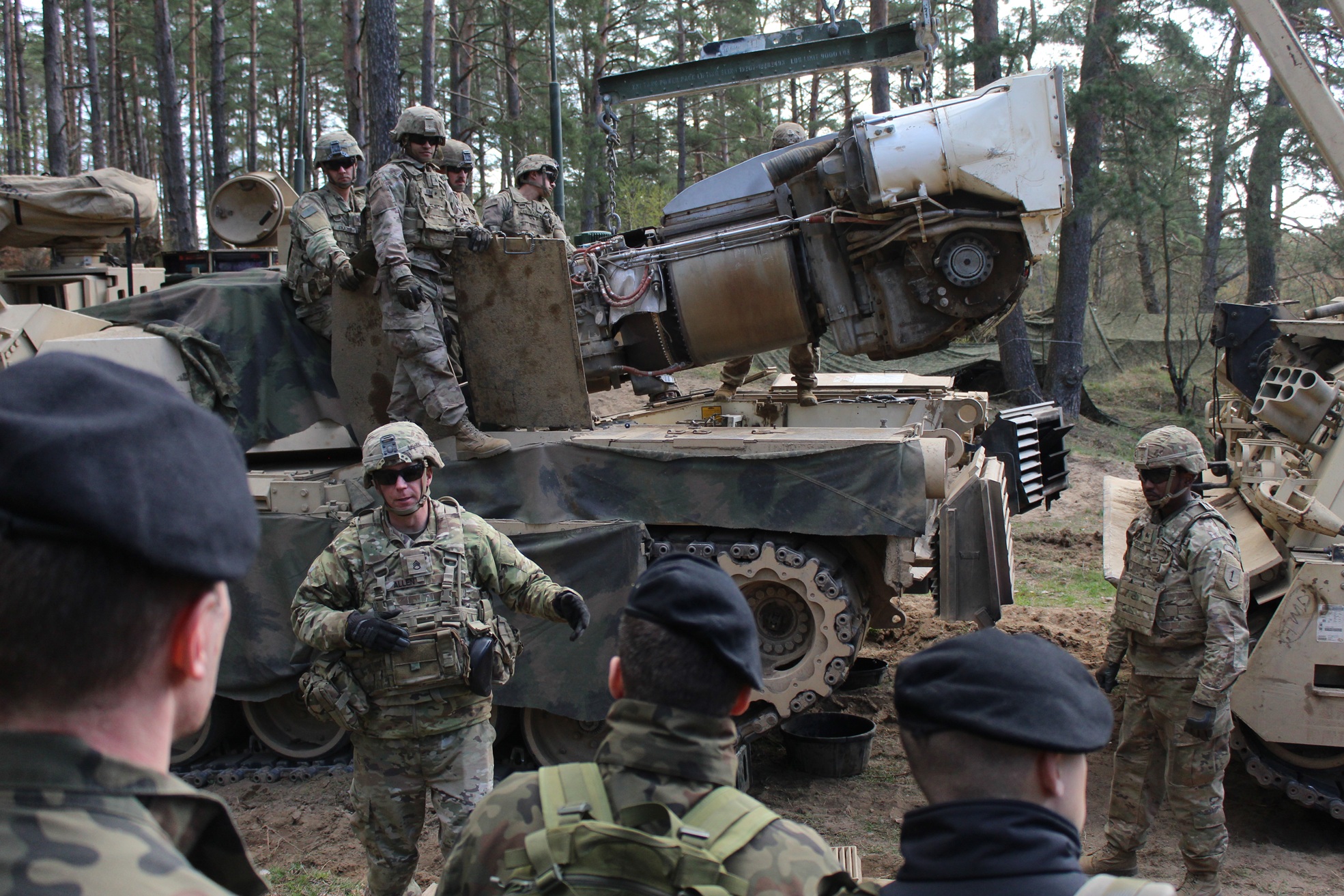
Another reason to switch to an electromechanical transmission is the sharply increased level of electricity consumption by the tank’s onboard systems. The aforementioned electronic warfare systems, APS, and combat modules will consume so much electricity that beyond a certain threshold, the presence of an auxiliary power unit becomes impractical; it will be far simpler and cheaper to power them directly from the electrical branch of the transmission.
The use of reversible electric motors would also allow for regenerative braking—charging the batteries during deceleration and during long downhill movement, when the drive motors operate in generator mode.
An additional advantage of using electric drive motors is their silent operation—a feature that would be difficult to overestimate when performing certain combat missions.
Running gear:
The running gear is probably the most conservative component of a tank. In fact, most modern tanks use running gear design solutions that were developed at the end of World War II.
Most suspensions on modern tanks are based on the use of torsion bars. On the one hand, this design provides relatively soft and smooth suspension of the hull, with a simple structure that is resistant to combat damage and easy to repair. On the other hand, in mechanical engineering, a tank torsion bar is a component subjected to the highest specific loads, which means that the chemical composition of the steel it is made from and the technologies for its production are constantly being refined—becoming more complex and expensive as a result. The simplicity of the torsion bar suspension provides it with a linear characteristic; in other words, throughout the entire dynamic travel of the road wheel, the stiffness of the suspension remains virtually unchanged.
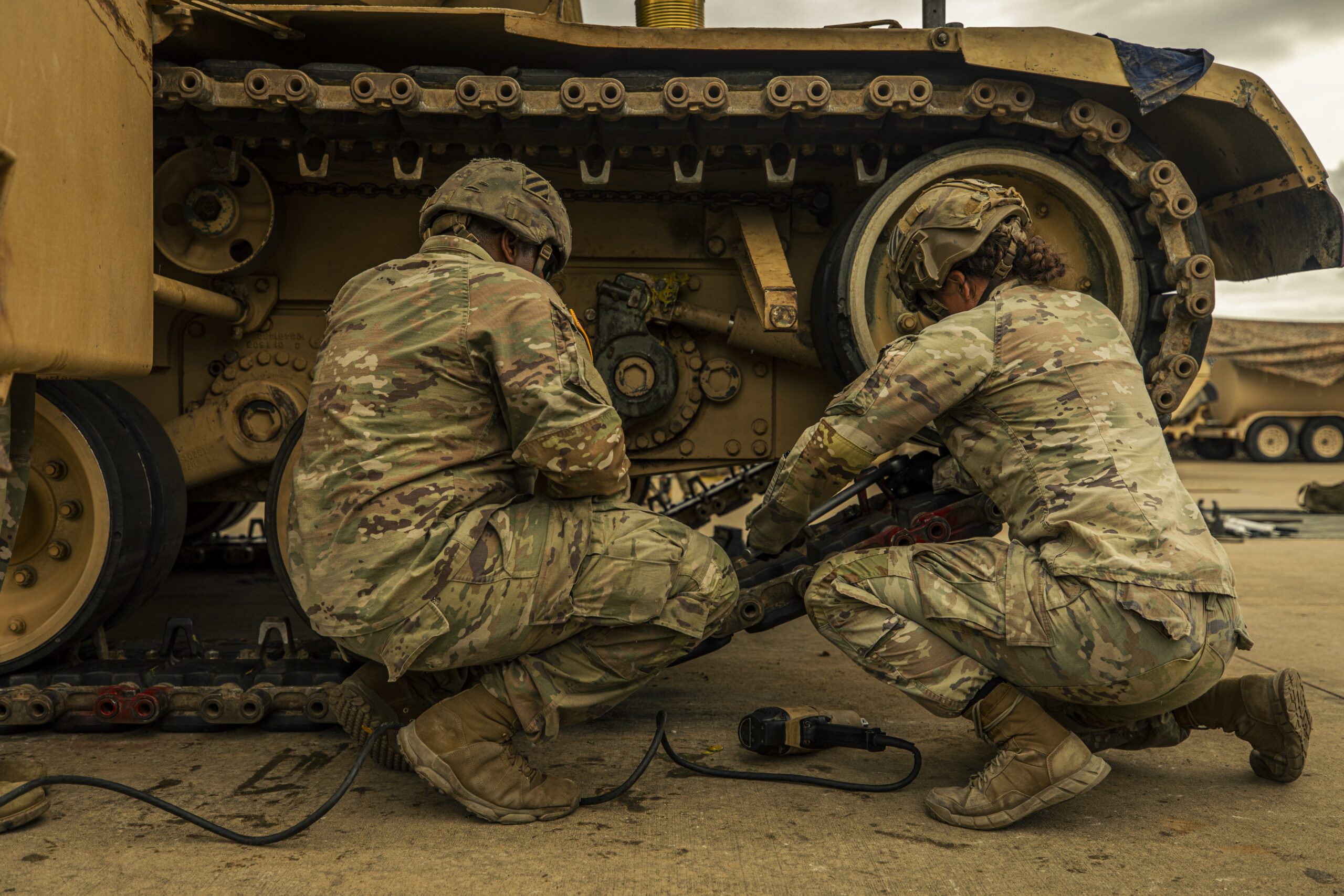
A much more attractive option is a progressive suspension characteristic, where at small road wheel travels it remains soft, but at large travels—when a suspension bottom-out (a hard impact of the arm against the stopper) is possible—its stiffness and energy capacity increase accordingly. This characteristic is provided by hydropneumatic suspensions, but they have a much more complex design, and as a result—a high price and low resistance to combat damage.
An interesting option for improving the suspension would be the use of an elastic element of the “spring within a spring” design. That is, at small road wheel travels, a relatively soft outer spring operates, while an inner, shorter and stiffer spring engages if the road wheel travel exceeds a specified value.
Such a design provides a progressive suspension characteristic. The technology for manufacturing springs is much simpler than the technology for producing torsion bars. Moreover, even a broken or damaged spring, unlike a torsion bar, retains some of its ability to support the hull. As of today, spring suspensions in serial production are only used on Israel’s Merkava tanks.
Another element of the traditional running gear that urgently requires revolutionary changes is the track. The disadvantages of traditional tracks include their significant weight: on average, one track weighs about one and a half tons. Another drawback is their vulnerability to mine detonations. A ruptured track automatically immobilizes a tank, making it an easy target for anyone wishing to finish it off.
It would make sense to develop a metal-composite track consisting of elements similar to links, comprising a high-strength metal frame with a composite material plate inside. This plate would act as the body of the track link, distributing the weight of part of the tank, transmitted through the road wheel, across the ground. The design and material of the plate should provide, on the one hand, high energy capacity—absorbing a significant portion of the energy of high-velocity gases generated during an explosion. On the other hand, the plate should function as a “sacrificial link”—meaning that when subjected to forces exceeding its absorption capacity, it should detach from the metal frame along a weakened perimeter (possibly perforated), thereby minimizing the impulse transferred to the tank hull by the blast. In this way, the metal frame would remain relatively intact, preserving the integrity of the track and allowing the tank to continue moving.
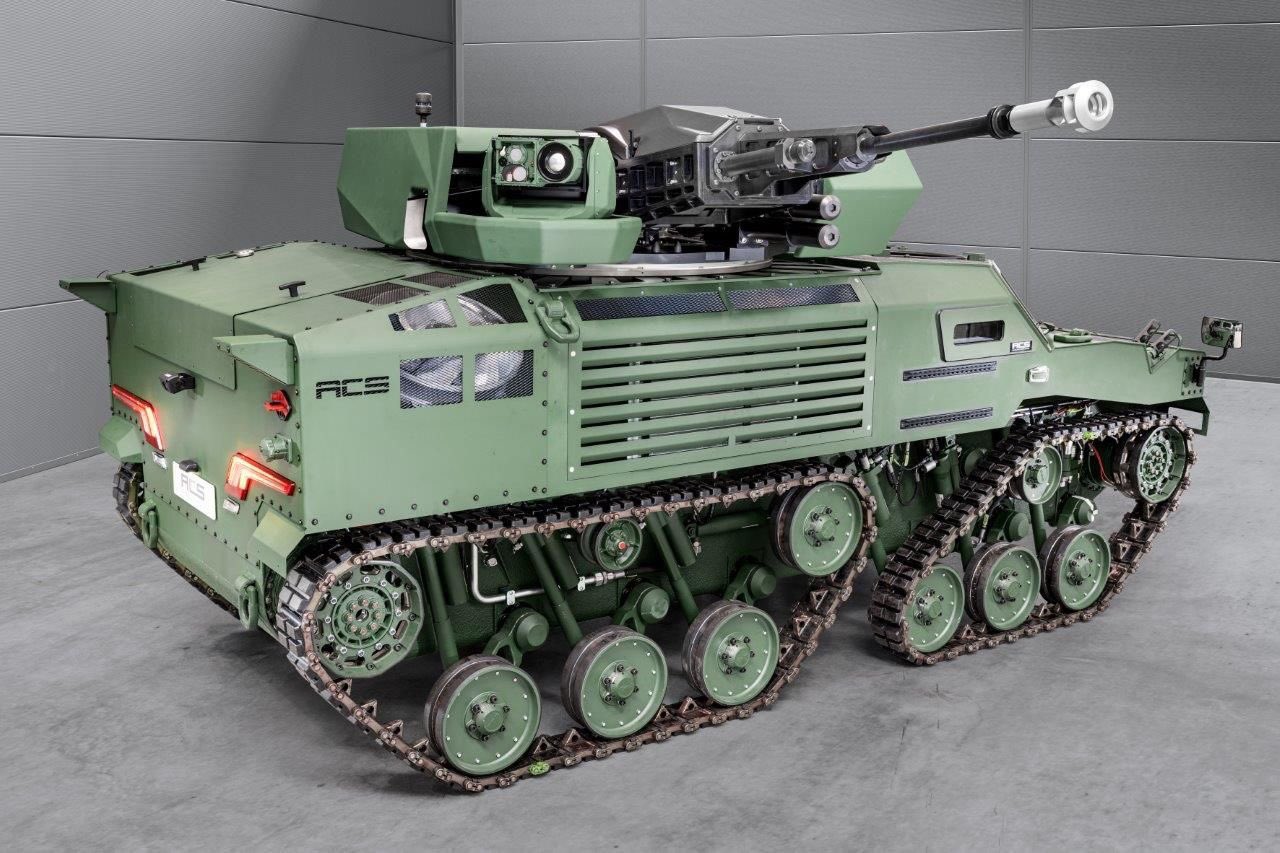
Another way to improve mine resistance could involve a running gear configuration with four tracks instead of two, similar to the German GSD LuWa light combat vehicle. If one track is destroyed by a mine, the remaining three would suffice to keep the vehicle moving. The use of electric transmission would make it much easier to distribute power flows to four drive wheels than would be possible with a mechanical transmission.
Yet another option for maintaining tank mobility in the event of a broken track would be to use part of the road wheels as drive wheels, similar to how it was implemented in the wheeled-tracked BT tank series in the past. Again, the use of electric transmission would simplify the implementation of such a technical solution.
Uncrewed Turret and Full Autonomy:
The use of a fully uncrewed turret easily enables the implementation of a completely uncrewed tank, since for remote control there is no fundamental difference between distances of a few meters or several kilometers. The main challenge in this case would be finding reliable, interference-resistant, secure communication and telemetry channels. However, this problem can be addressed by using multiple channels operating on different physical principles—for example, low-level radio communication masked as background atmospheric noise and a laser link transmitted through a network of drone relays. Autonomous tank operation will also rely heavily on already existing artificial intelligence systems and machine vision.
Balancing Innovation and Cost:
The innovations described above are antagonistic to another critical feature of modern weapons: moderate cost. The Russian-Ukrainian war has demonstrated that for protracted combat operations, a massive stockpile of weapons with acceptable performance characteristics is required. A limited quantity of even premium systems will quickly be depleted and thus cannot ensure superiority in a war of attrition.
There are several ways to mitigate—if not resolve—this contradiction.
First, thanks to technological progress and mass production, any technical solution tends to become cheaper over time. For example, optical odometry navigation systems—systems that help determine an object’s position by comparing terrain imagery to an electronic map—have existed for about 50 years. Their cost, when installed on Tomahawk cruise missiles, was tens of thousands of dollars. Today, this functionality is provided by a video camera and a pair of electronic boards costing just $15(!).
Second, unification. The cost of any product is greatly reduced by incorporating components that are already mass-produced. In military technology, there are even special terms for such components: COTS (Commercial Off The Shelf)—commercial components ready for use without modification; and MILCOTS (Military/Commercial Off The Shelf)—“militarized” versions of standard civilian components not originally designed for military use but adapted for it.
Cost can also be significantly reduced through so-called “reverse unification,” where parts or assemblies originally developed purely for military equipment are later launched into mass production for use in civilian products.
Ultimately, the main tool for balancing a vehicle’s cost with its performance characteristics—and therefore its complexity and sophistication—is the art of the designer, who must understand the critical technical and economic limits. This is indeed an art, since experience, training, education, and talent are merely tools in the high craft of creating exceptional machines.
—
According to Berezutskiy, there is currently no alternative to the tank as an armored platform with a powerful weapons complex capable of performing missions under enemy fire with statistically acceptable losses.
He points to a renaissance in modern tank procurement as clear evidence of this trend. Poland has ordered 1,000 tanks from South Korea, while the German Bundeswehr has contracted 123 tanks from the German-French company KNDS. Norway has ordered 54 tanks, the United Kingdom has signed for 147, and Romania’s Ministry of Defense plans to purchase between 300 and 500 K2 Black Panther main battle tanks. Meanwhile, the United States is reactivating production of new tanks, and both Italy and the Czech Republic are preparing contracts for additional vehicles. Russia is refurbishing tanks from its “tank graveyards,” while China and India are modernizing their armored fleets on a massive scale, which still largely consist of outdated platforms.
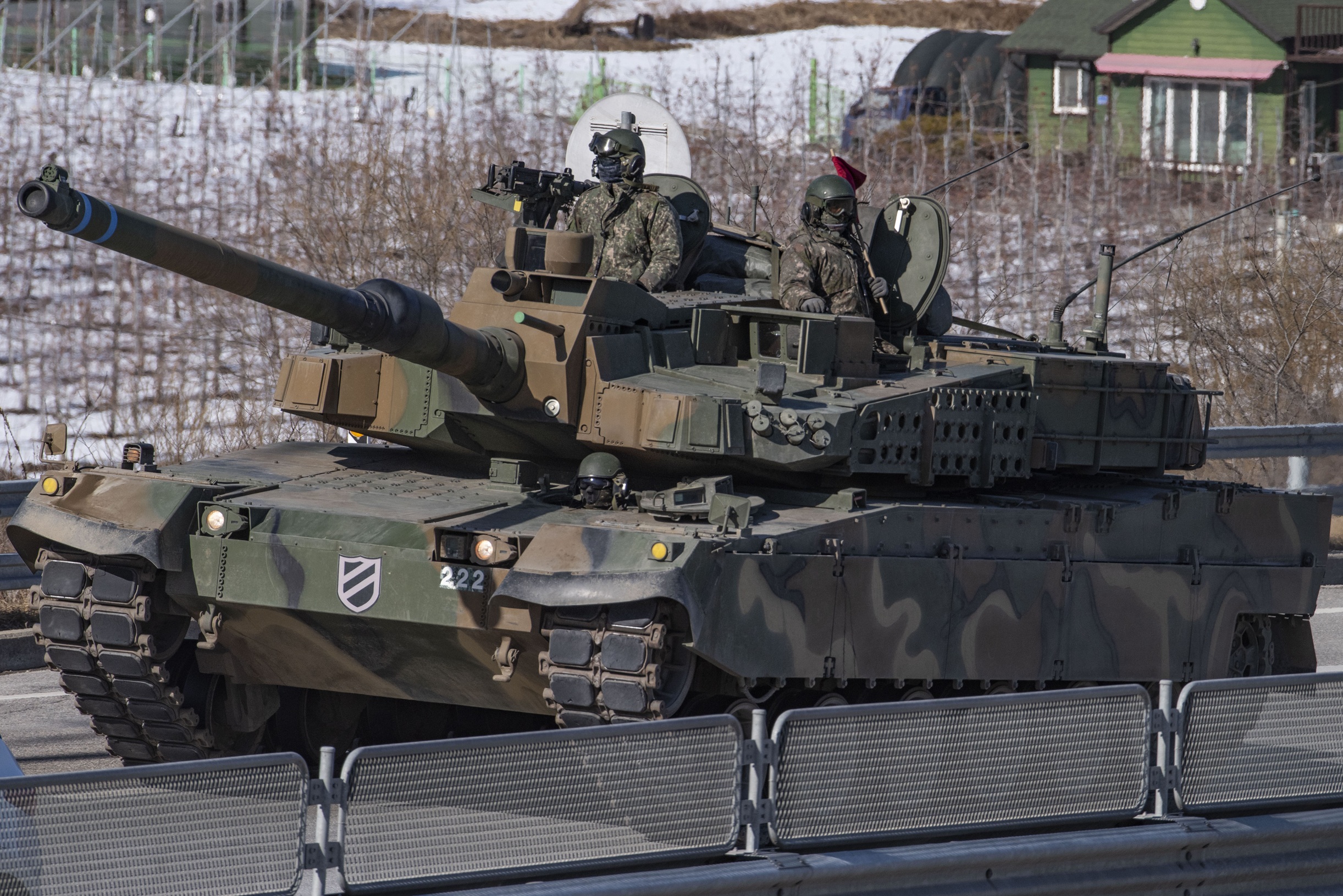
Despite these efforts, the resumption of tank production has not eliminated the shortage on the global arms market. Today, acquiring tanks requires placing orders far in advance and enduring long delivery timelines. Such conditions contradict claims that tanks have become obsolete or irrelevant on the modern battlefield.
As Berezutskiy notes, assertions that tank development has reached a dead end are far from accurate. Instead, he describes the evolution of tanks as a labyrinth filled with unexpected forks and turns. While some paths have indeed led to dead ends—such as the era of heavy, cavalry, and infantry tanks—the broader trajectory of armored warfare continues to advance. In fact, the next phase could well include a renaissance of infantry tanks designed for direct support of dismounted forces.
Assessing the accuracy of predictions about military technology is notoriously difficult. Berezutskiy recalls Winston Churchill’s observation: “Politics is the art of predicting what will happen tomorrow, next week, next month and next year. And then having the ability to explain why it didn’t happen.” Perhaps this insight applies equally well to the ever-shifting dynamics of military-technical policy.