

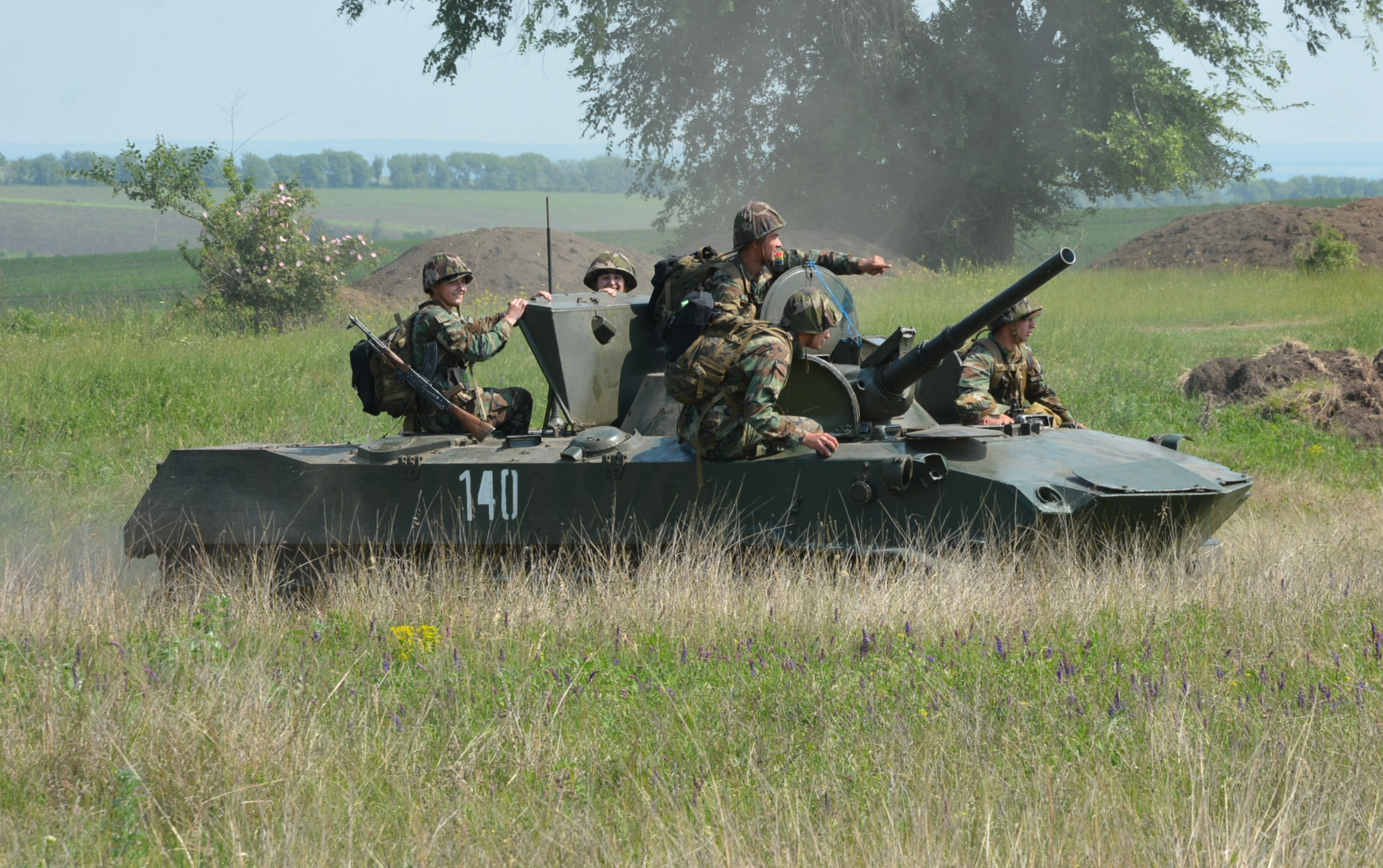
Moldova currently aspires to become a member of the European Union and is actively working on legislative reforms and adapting its armed forces to comply with European standards. However, significant challenges arise from pro-Russian forces and a substantial Russian military presence, camouflaged as peacekeepers, controlling the separatist region of Transnistria, impeding Moldova’s progression.
Russia holds ambitions for complete control over Moldova and shows no intent to relinquish its influence over this small nation. On top of that, attempts to create a land corridor by occupying Southern Ukraine adjacent to Transnistria were met with resistance from Ukraine’s Armed Forces. Currently, Ukraine stands as the primary barrier against Russian advancement, maintaining a blockade around the separatist region to deter Russian influence.
The Kremlin views Moldova as a strategic outpost on NATO’s border and plans to establish military bases in the region, posing a potential threat to Southern European nations. This prospective move could impact not only Moldova but also neighboring countries like Romania and Bulgaria.
Acknowledging this challenge, the European Union has initiated steps to support Moldova and aid in modernizing its armed forces. However, progress, much like in Ukraine, is slow and cautious. Moldova is set to receive military assistance through light armored vehicles, demining equipment, and individual body armor kits. Yet, amidst the urgent need for modern anti-tank weaponry, light mortars, and artillery systems, this aid falls short.
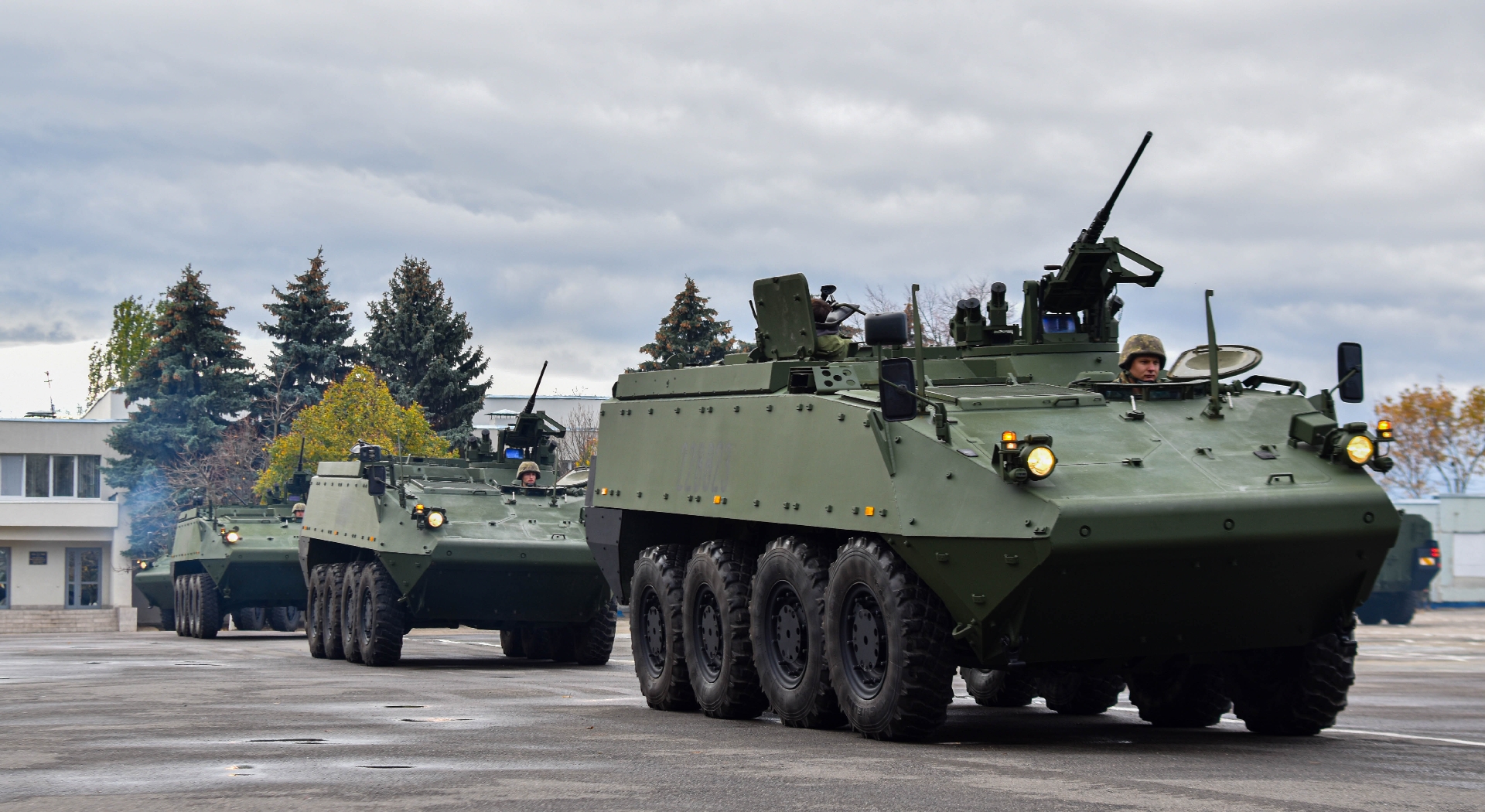
Failure by Ukraine to maintain control of the southern region would leave Moldova vulnerable to the potential annexation of a significant portion of its territory.
Local authorities have shown minimal initiative, not applying the lessons learned from the war in Ukraine. There is a lack of public knowledge regarding procurement programs or the development of arms systems, including cost-effective commercial FPV drones. Despite the battlefield efficacy of more robust and proven drones like the Bayraktar TB2, Moldova seems disinterested.
If Moldova’s military reform trajectory remains unchanged, Europe might face a new potential hotspot, threatening the safety of millions of EU citizens.