

Türkiye has announced plans to generate approximately $2 billion annually for its Defense Industry Support Fund through a new, comprehensive funding mechanism.
The initiative, introduced by the Turkish government, will require additional contributions from both companies and individuals, aimed at bolstering the nation’s defense sector.
One of the key elements of the new plan is a levy on credit card holders with high limits. Credit cards with limits exceeding 100,000 Turkish Lira (approximately $3,500) will be charged an annual fee of 750 TL (around $26). This measure, along with other financial contributions, is expected to bring in significant funds that will be directly allocated to defense industry projects.
In addition to credit card levies, the new funding model will require citizens to contribute to the fund during certain transactions, such as buying or selling real estate or vehicles, as well as during notary-required processes. The aim is to spread the financial burden across a wide range of transactions, ensuring a steady flow of income to support defense development.
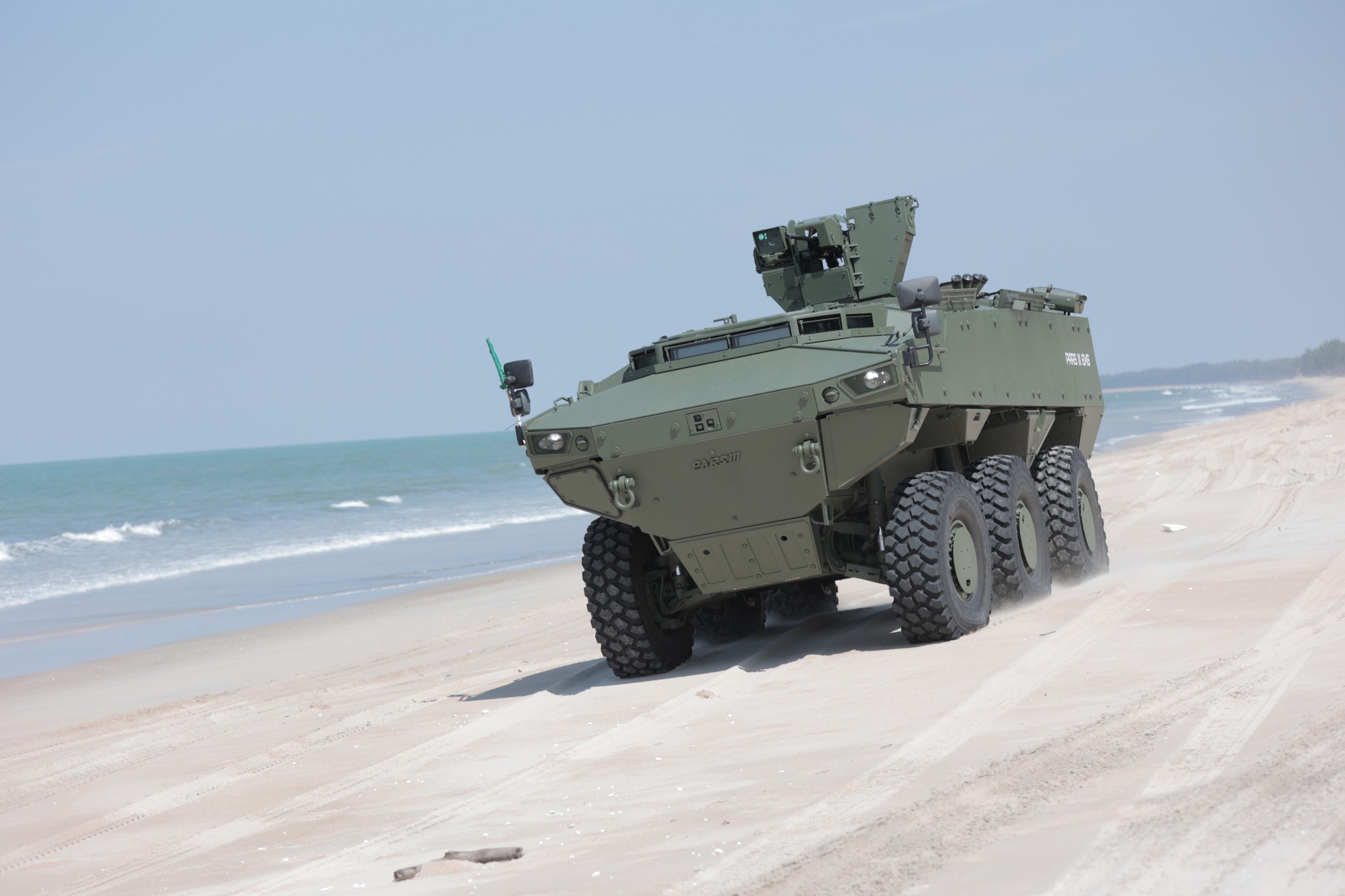
The Defense Industry Support Fund has been crucial in Türkiye’s efforts to modernize and expand its defense capabilities. Over the years, it has financed numerous projects, including the production of drones, armored vehicles, and naval vessels, many of which have been showcased in Türkiye’s growing export market.
The government’s new funding mechanism is seen as an important step toward sustaining the defense industry’s growth. As Türkiye continues to face regional security challenges and aims to become a major player in global defense markets, reliable financial resources are critical to its long-term strategy.
The proposed changes come as Türkiye seeks to reduce its reliance on foreign military technologies and enhance its indigenous defense production capacity. With a broader base of financial support from citizens and businesses, the government expects to accelerate its ambitious projects in areas such as artificial intelligence, unmanned systems, and next-generation fighter jets.
The new funding mechanism is set to be implemented in 2024, with revenues flowing into the Defense Industry Support Fund throughout the year. The additional contributions, though modest for individuals, are expected to accumulate into a substantial sum, ensuring the continued progress of Türkiye’s defense industry.