


Defence training agreements and co-operation between Singapore and Australia look set to be expanded under the Singapore-Australia Comprehensive Strategic Partnership (CSP) framework following the latest round of discussions between the defence leaders of both countries.
Singaporean defence minister Ng Eng Hen called on his Australian counterpart, Marise Payne, in Sydney on 19 November before travelling to the country’s northeastern Shoalwater Bay Training Area (SWBTA) – near the city of Rockhampton in Queensland – to observe Singapore Armed Forces (SAF) troops participating in Exercise ‘Wallaby’ 2015: an annual drill conducted there since 1990.
According to a statement by the Singapore Ministry of Defence (MINDEF), Ng and Payne reiterated their governments’ commitment to enhance the bilateral defence relationship between both countries and to finalise a number of initiatives under the recently renewed Memorandum of Understanding for Cooperation in Defence Science and Technology.
MINDEF stated that new initiatives being explored include “increased access to, and enhancement of, training areas”, as well as greater intelligence and security collaboration.
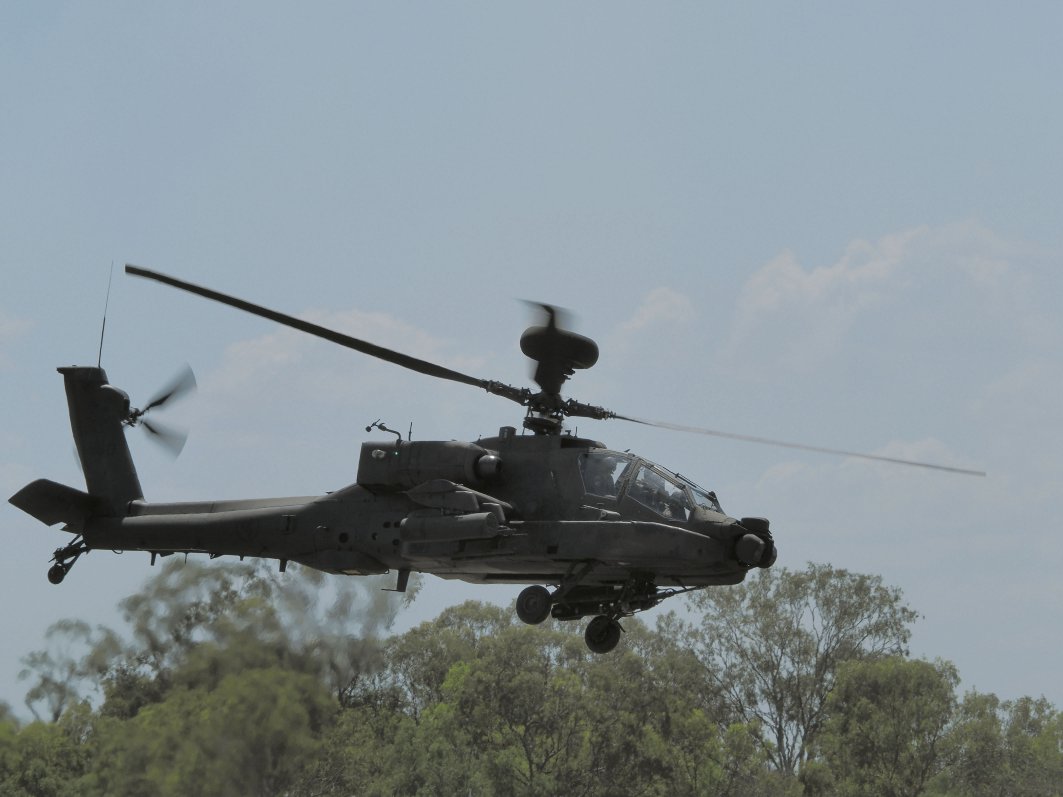
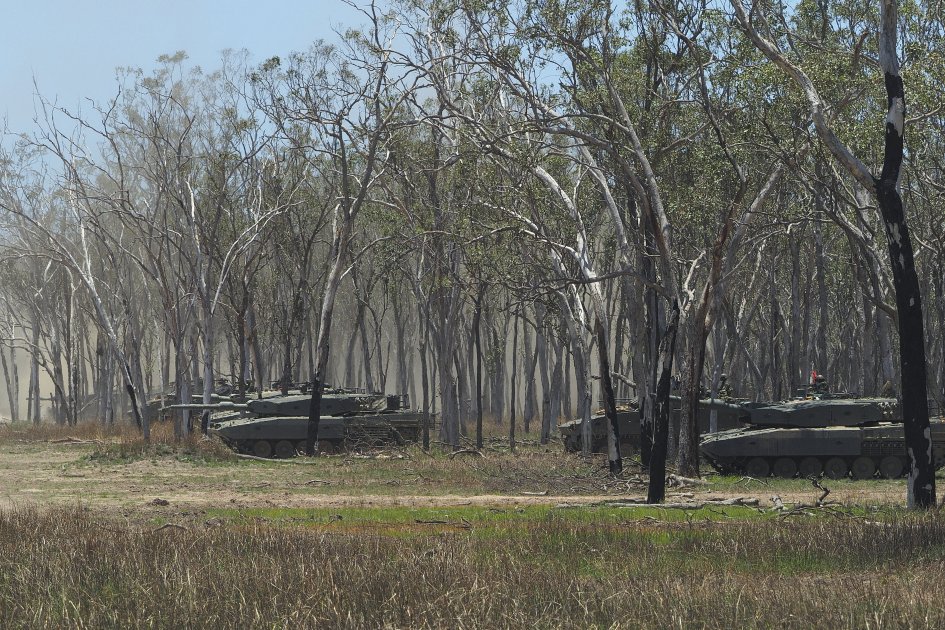
Speaking to reporters after an integrated live-firing drill between the SAF’s armour and rotary-wing aircraft assets in SWBTA on 20 November, Ng noted that Singapore’s physical limitations necessitate the use of overseas military training grounds to enable troops to train more effectively.
SAF armour assets prepare to fire on a simulated enemy position. Due to land and airspace constraints, the country regularly sends its personnel and equipment overseas for training. (photo : Jane;s)
“Obviously if [the Australian government] would allow, we would want more time and more space,” said Ng, revealing that this privilege would enable the SAF to deploy more reservist troops to train alongside conscripts in future ‘Wallaby’ drills. The bulk of the country’s fighting strength lies in its pool of male citizen-soldiers, who train full-time for two years and subsequently serve in reserve forces for a decade or more depending on their roles.
“This vast terrain, [which is] about three times the size of Singapore, provides our armoured [forces] credible opportunities for realistic training to hone their skills,” he added.