


The Delegation of the Naval Forces of Indonesia, together with representatives of Indonesian Marine Corps has successfully completed a live-firing test programme for its new BTR-4M infantry fighting vehicle in Ukraine, according by military-informant.com.
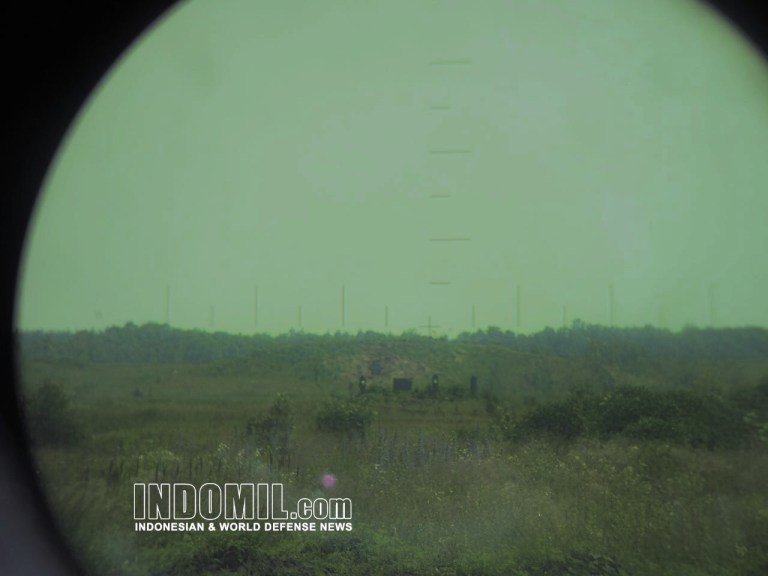
The BTR-4M newest infantry fighting vehicle has successfully conducted the first live firing test of its «Parus» remote-controlled overhead weapon station.
Parus remote-controlled overhead weapon station (OWS) equipped with 30 mm 3TM-1 automatic gun, 40 mm automatic grenade launcher, 7.62 mm machine gun and Barrier anti-tank guided missile system (max firing range is 5,500 m). The main advantage of the Parus OWS is that it does not occupy the inner space of the vehicle and makes it possible to carry out maintenance from inside the vehicle under the complete armour protection of the hull.
«Ukroboronprom» has won the tender for the purchasing armored vehicles for the purposes of Naval Forces of Indonesia offering BTR-4 manufactured by Kharkiv Morozov Machne-Building Design Bureau.
In the end of 2014 in Djakarta the negotiations between Spectechnoexport management and representatives of Ministry of Defense and Naval Infantry of the Naval Forces of Indonesia were conducted. Within the negotiations the fundamental terms of the contract for the BTR-4 supply in quantity of 50 units were discussed.

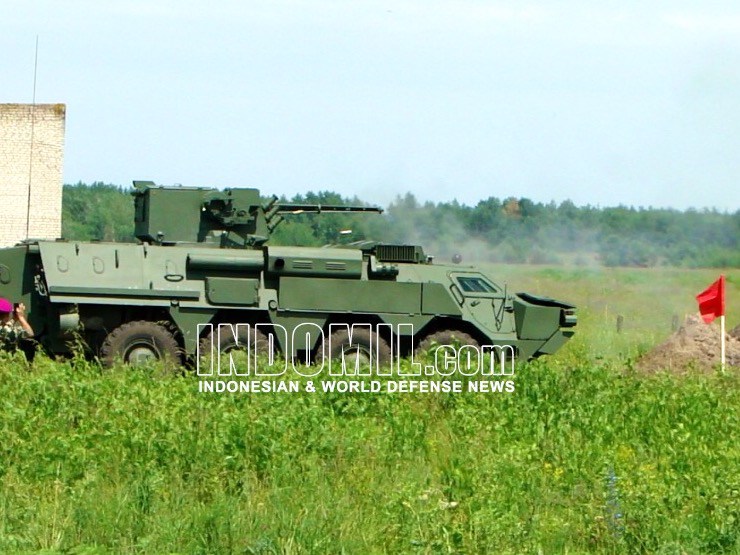
The new version of BTR-4M have Deutz engine and received the upgrade package giving it fully amphibious capabilities. The new armored amphibious vehicle can swim at sea and negotiate inland water obstacles without any configuration changes.
The design and layout of the machines allow no modification to produce significant changes, differing levels of protection and established weapons. It can be used in mechanized infantry divisions of ground troops as an armored vehicle or wheeled infantry fighting vehicle.
The BTR-4 “Bucephalus” is a 8×8 wheeled armoured personnel carrier (APC) designed in Ukraine by the Kharkiv Morozov Machine Building Design Bureau (SOE KMDB) as a private venture. The prototype, which was designed as a private venture, was unveiled at the Aviasvit 2006 exhibition held in Ukraine in June 2006.
The BTR-4 «Bucephalus» is operated by the Armed Forces of Ukraine, Iraq and Nigeria.